
 English
 简体中文
简体中文
News
Home / News

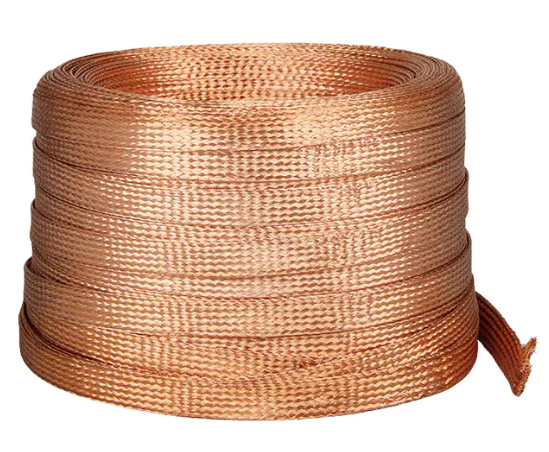
When you upgrade a 100 amp panel to 200 amps, the grounding conductors are not something you should guess at. An electrical inspector will compare the ground wire size for 200 amp service against the service entrance conductors, the grounding electrodes, and the applicable NEC tables. Depending on which part of the system you are wiring, the answer can be 2 AWG, 4 AWG, or 6 AWG. The short version for a typical residential 200 amp service is straightforward: when the service entrance conductor i...
2026-10-01
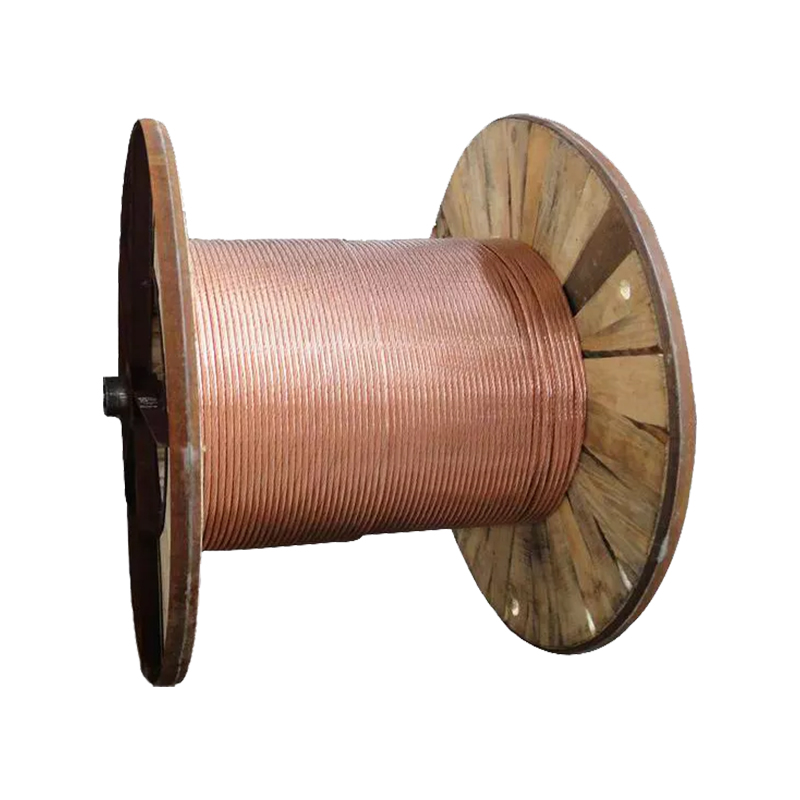
An electrical contractor is terminating a 200 A feeder that runs more than 150 feet to a new production line. The breakers are in place, the phase conductors are pulled, and the ground wire is the last item on the drawing. It is also one of the most frequently misapplied items on the job. The ground wire ampacity chart supplies the direct answer: for a 200 A overcurrent device, the minimum equipment grounding conductor is 6 AWG copper or 4 AWG aluminum. That answer carries one qualification, co...
2026-09-24
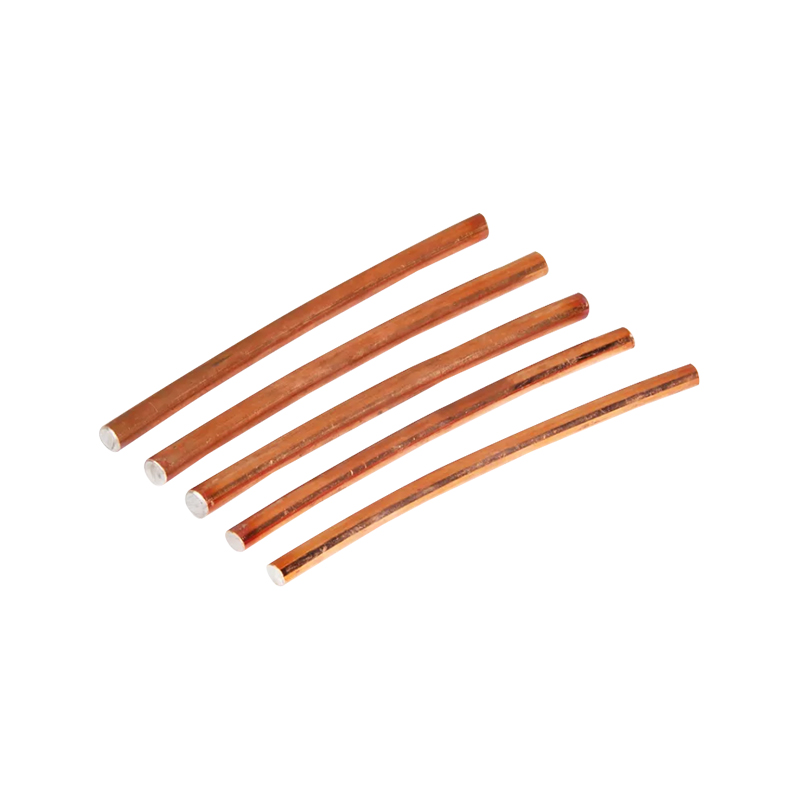
A contractor wiring a 400 A service for a new industrial building sized the grounding electrode conductor at 3 AWG copper because he used NEC Table 250.122, the same table he relies on for equipment grounding conductors on branch circuits. The engineer caught the error before inspection: for a 400 A service with 600 kcmil copper ungrounded conductors, Table 250.66 requires a 2/0 copper grounding electrode conductor. The 3 AWG would have carried normal current without complaint, but it would not...
2026-09-17

An electrician on a commercial job opens the ground wire sizing table and discovers that a 200 A overcurrent device requires a 6 AWG copper equipment grounding conductor (EGC) — even when the phase conductors are oversized. That number does not come from an ampacity table; it comes directly from the EGC size chart in NEC Table 250.122. This distinction is easy to overlook, but it is critical for safe, code-compliant installations. The EGC is not a current-carrying conductor during normal operat...
2026-09-11
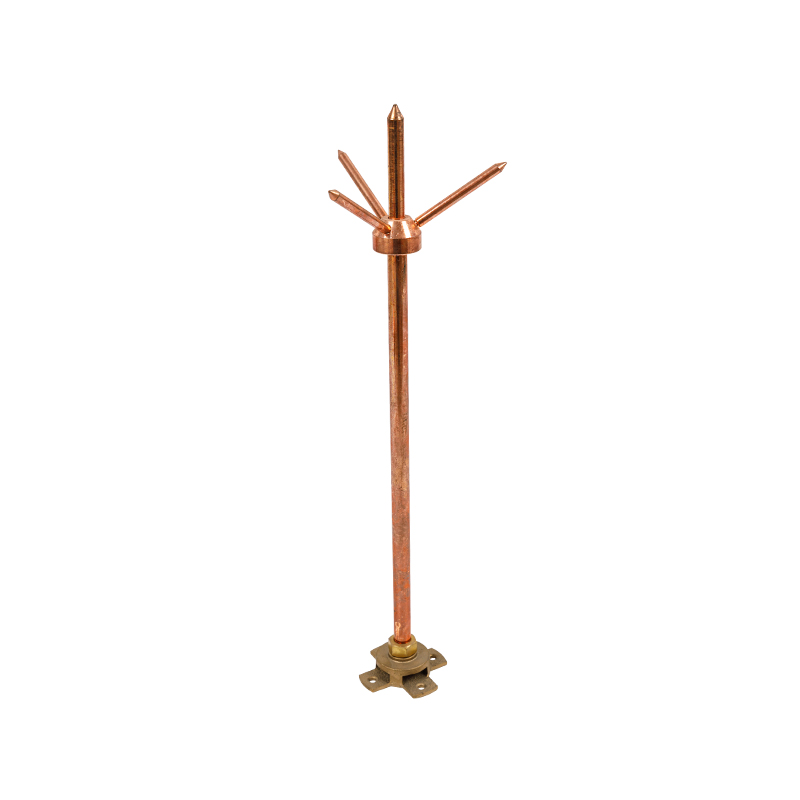
Lightning rods protect structures only when the entire lightning protection system is designed, installed, and maintained as one unit. A rod without a proper grounding path is just a metal spike on the roof. This is the first thing experienced engineers check when reviewing a protection scheme, and it is also a common point of confusion for buyers who shop for lightning rods by price alone. What a Lightning Rod Actually Does A lightning rod, also called an air terminal, provides a controlled ...
2026-09-10
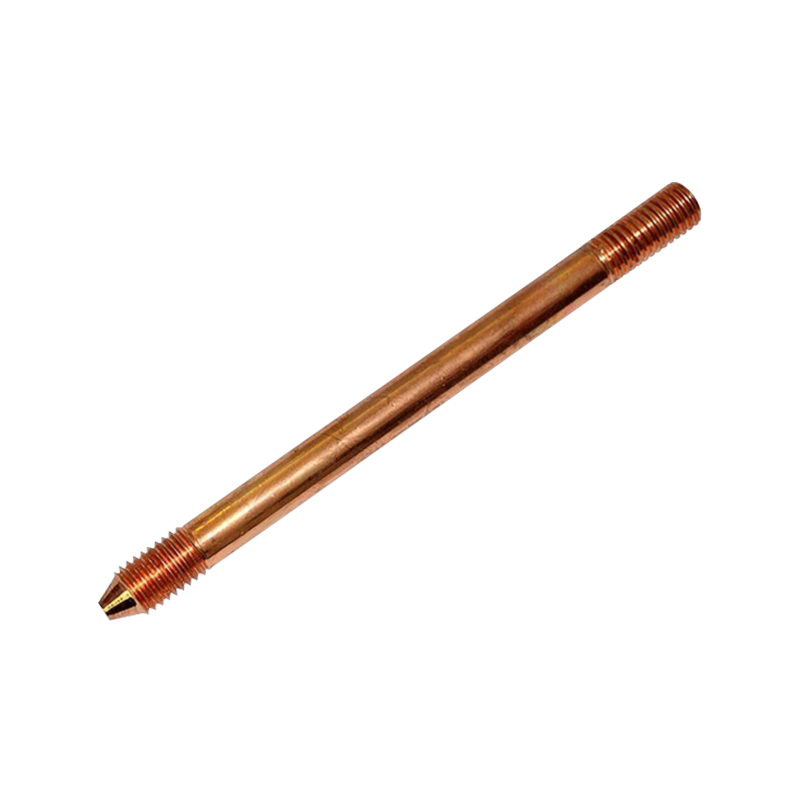
Every grounding system tells a story about the soil it is buried in. A coastal substation may see the same copper-clad steel rod perform well for twenty years, while an identical rod in acidic clay can corrode far ahead of schedule. Project teams that compare only unit prices often discover this the hard way: the cheapest electrode is rarely the most economical one once it fails below a concrete slab or inside a backfilled trench. The practical conclusion is that a grounding rod should be chose...
2026-09-03
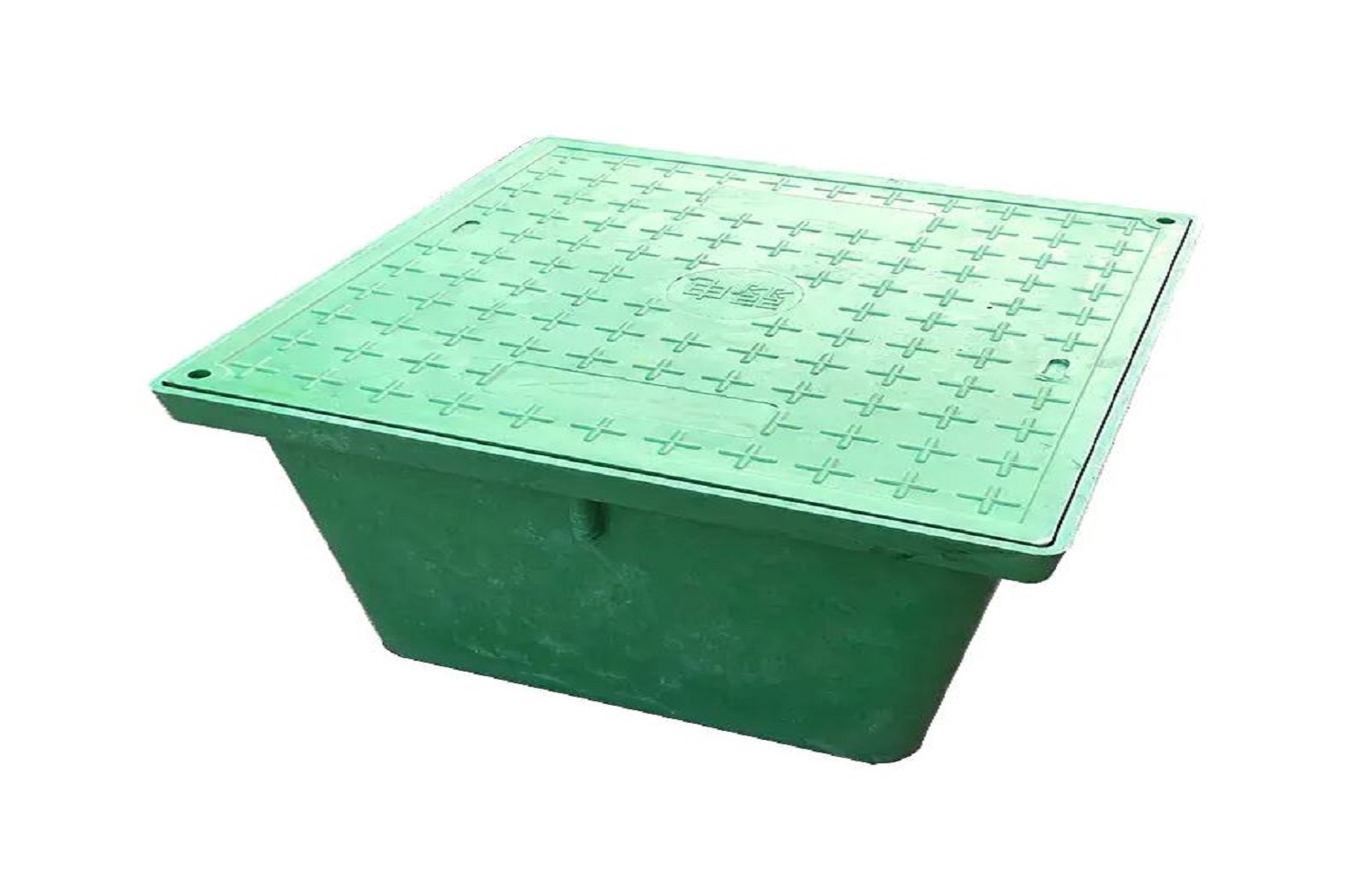
A maintenance engineer at a 110 kV substation wants to verify the earth resistance of a newly connected ground electrode. The joint is buried under finished grade, so a simple test can turn into excavation, backfilling, and surface repair. A grounding inspection pit prevents this. It is a buried enclosure that keeps the connection and test point accessible while protecting them from soil, mechanical load, and accidental damage. What Is a Grounding Inspection Pit? A grounding inspection pit, a...
2026-08-27
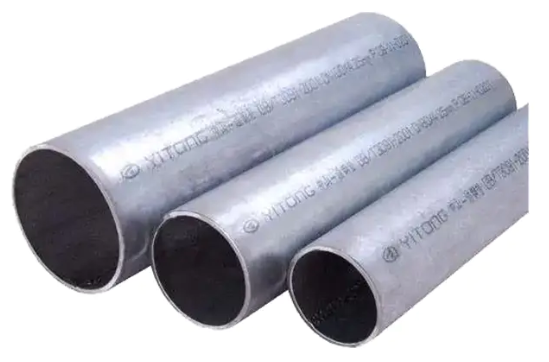
An earthing rod is only one part of a grounding system, but it is often the part that decides whether the installation passes its resistance test. On a substation site, a telecom tower, a solar farm, or an industrial plant, a rod that was chosen without checking soil conditions can produce unstable earth resistance, difficult fault detection, and premature corrosion. The practical conclusion from years of grounding work is straightforward: choose the rod after you know the soil, the target resi...
2026-08-20
What Is a Lightning Rod and Why Does It Need a Complete System? When a project specification calls for a lightning rod, the conversation rarely stops at the air terminal. A lightning rod, also called a lightning conductor, is a metal strike termination device mounted at the highest point of a structure. It intercepts a lightning strike and provides a controlled path for the current to reach the ground. That protection path has three essential components: Air terminal, the rod itself, typically...
2026-08-13
Copyright © Xinchang TuAn Machinery Co., Ltd. All Rights Reserved. Wholesale Earthing Rods Manufacturers

 About Us
 +86-15167536268
 29, Xingmei Avenue, Xinchang, Zhejiang, China