

 English
 简体中文
简体中文
What is a Lightning Rod?
A lightning rod is a device used to protect structures from lightning strikes by providing a path for the electrical discharge to travel safely to the ground. Made from conductive materials like copper or aluminum, the lightning rod is typically installed at the highest point of a building or structure. The main function of the rod is to prevent damage caused by lightning by diverting the electrical charge safely into the earth.
In the event of a lightning strike, the rod captures the energy and directs it through a wire to a grounding system, preventing fires or structural damage caused by direct strikes. This simple yet highly effective technology has saved countless buildings and lives since its invention in the 18th century by Benjamin Franklin.
How Do Lightning Rods Work?
Lightning rods work by attracting lightning strikes and offering a safer route for the electrical charge to flow into the ground, away from sensitive structures. Here’s a basic breakdown of how the process works:
- The lightning rod is installed at the highest point of the structure, ensuring that it has the best chance of attracting a lightning strike.
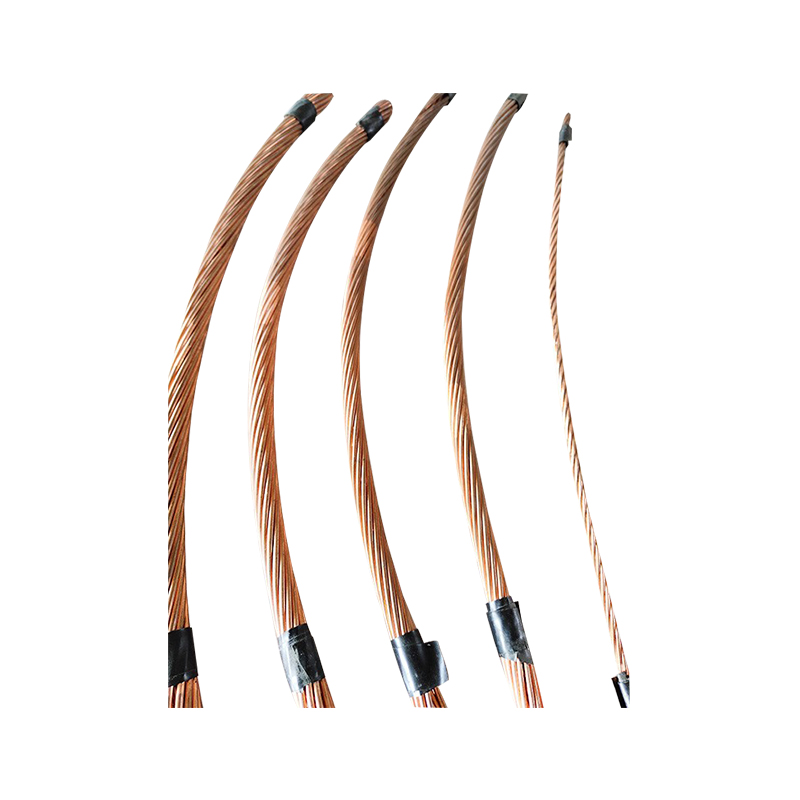
- When a lightning strike occurs, the rod’s conductive material captures the energy and directs it through a copper or aluminum wire.
- The wire then carries the electrical charge down to a grounding system, typically a metal rod buried deep into the earth, allowing the energy to safely dissipate.
The grounding system ensures that the lightning strike is neutralized, preventing it from traveling through the structure and causing fires, electrical damage, or other hazards. The process is fast and highly effective, providing peace of mind during thunderstorms.
Benefits of Installing a Lightning Rod
Installing a lightning rod offers numerous benefits for building owners, property managers, and homeowners. Here are some of the most significant advantages:
- Protection Against Fire: Lightning strikes can cause fires when they hit a building, especially in dry or flammable areas. A lightning rod directs the strike away from the structure, reducing the risk of fire.
- Prevention of Electrical Damage: A direct lightning strike can cause significant damage to electrical wiring and appliances. By redirecting the charge into the ground, lightning rods minimize the risk of electrical system failure.
- Safety for Occupants: Lightning strikes pose a safety hazard to anyone inside the building. A lightning rod reduces the likelihood of injuries caused by electrical shocks or fires resulting from a lightning strike.
- Increased Property Value: A building with a properly installed lightning protection system is seen as safer and more reliable, which can increase its market value.
Types of Lightning Rods
There are several types of lightning rods available, each designed for different applications and levels of protection. Some common types include:
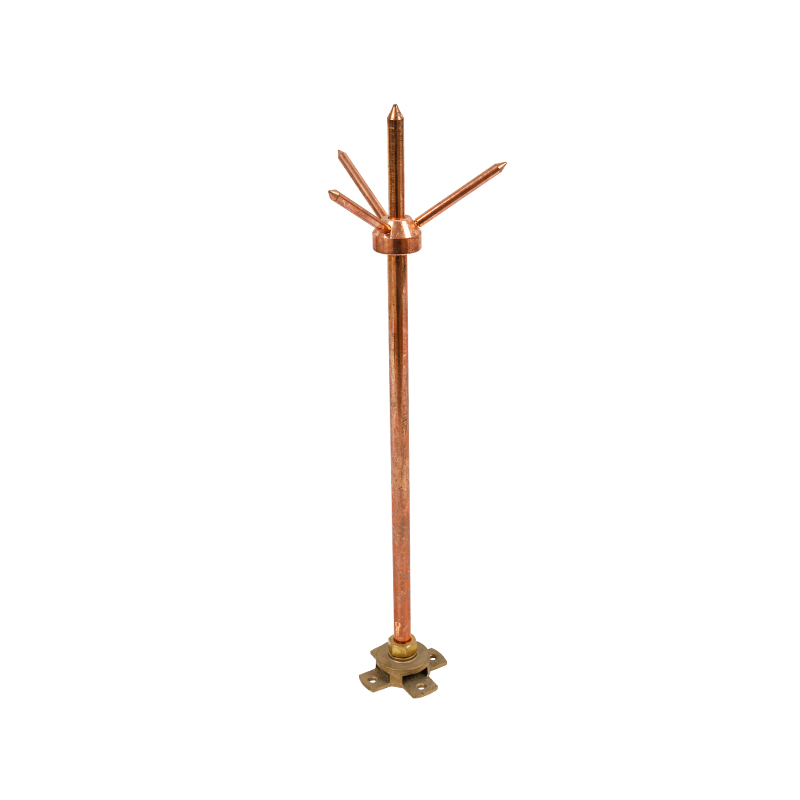
- Standard Lightning Rods: These are the most commonly used type and are typically made of copper or aluminum. They are designed to provide basic protection for residential and commercial buildings.
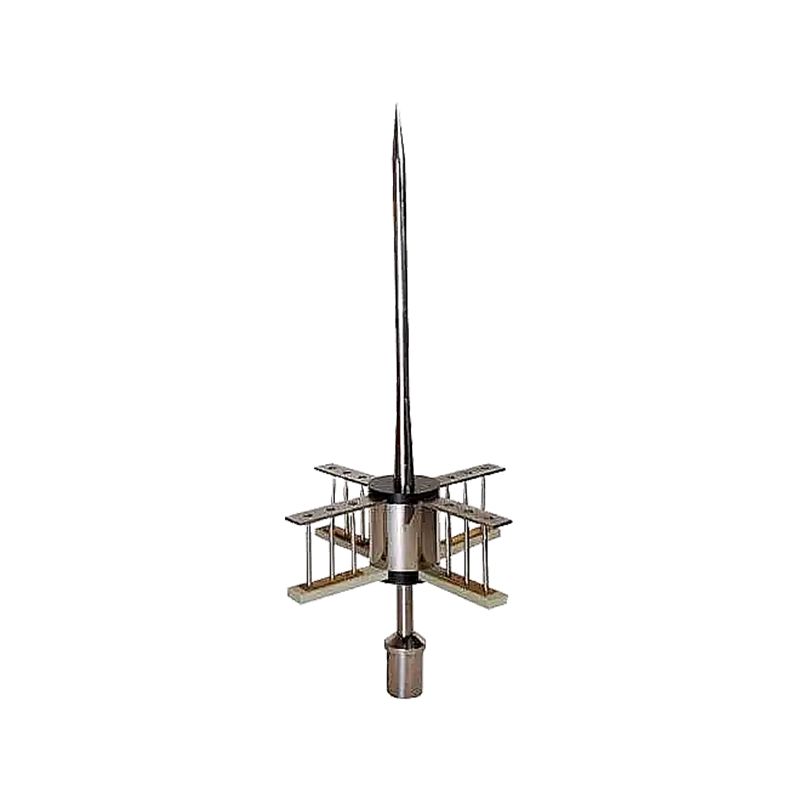
- Air Terminal Lightning Rods: These rods are designed to be used with a complete lightning protection system. They feature a more advanced design and provide additional grounding and safety measures.
- Franklin Rods: Named after Benjamin Franklin, these are traditional lightning rods with a pointed design, used to attract lightning and direct the energy to the ground.
- Early Streamer Emission (ESE) Rods: These advanced lightning rods emit a charged streamer before a lightning strike, allowing the rod to attract the lightning strike more efficiently.
How to Install a Lightning Rod
Proper installation is crucial to the effectiveness of a lightning rod. Here’s a step-by-step guide to installing a lightning rod:
- Determine the Placement: The rod should be placed at the highest point of the building, such as the roof, chimneys, or towers. This ensures it has the best chance of attracting a lightning strike.
- Install the Lightning Rod: Secure the lightning rod to the highest point using mounting brackets. Make sure the rod is firmly fixed and properly aligned.
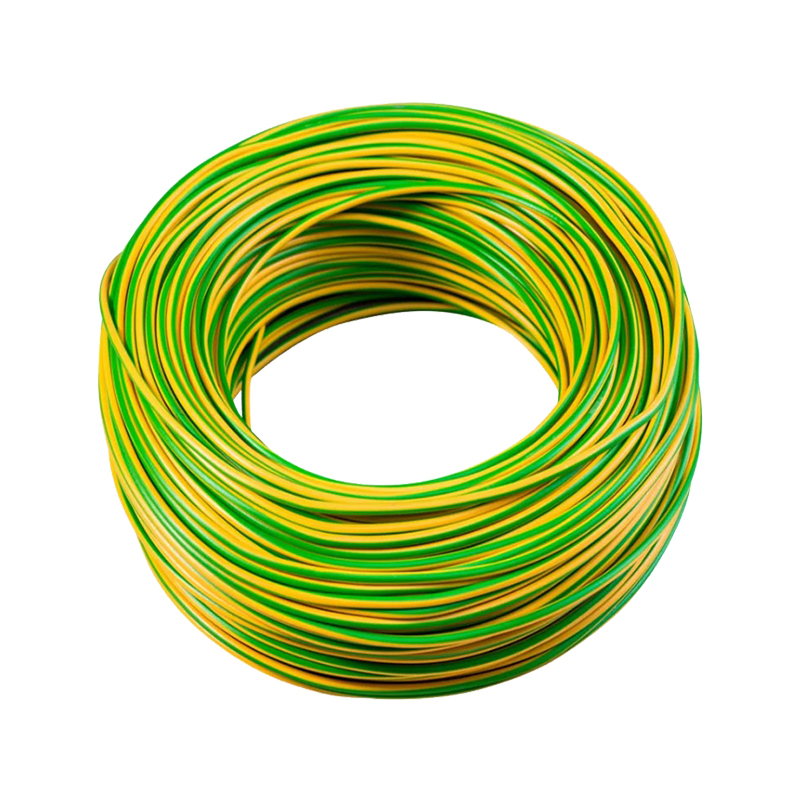
- Run Conductive Wiring: Connect a wire to the lightning rod and run it down the side of the building, ensuring the wire is securely fastened along the structure.
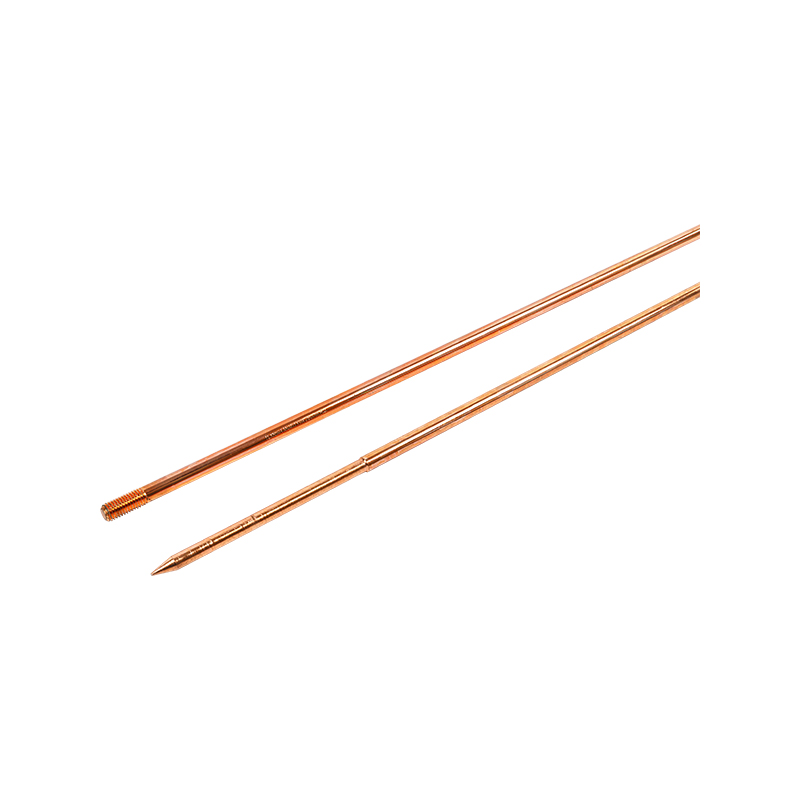
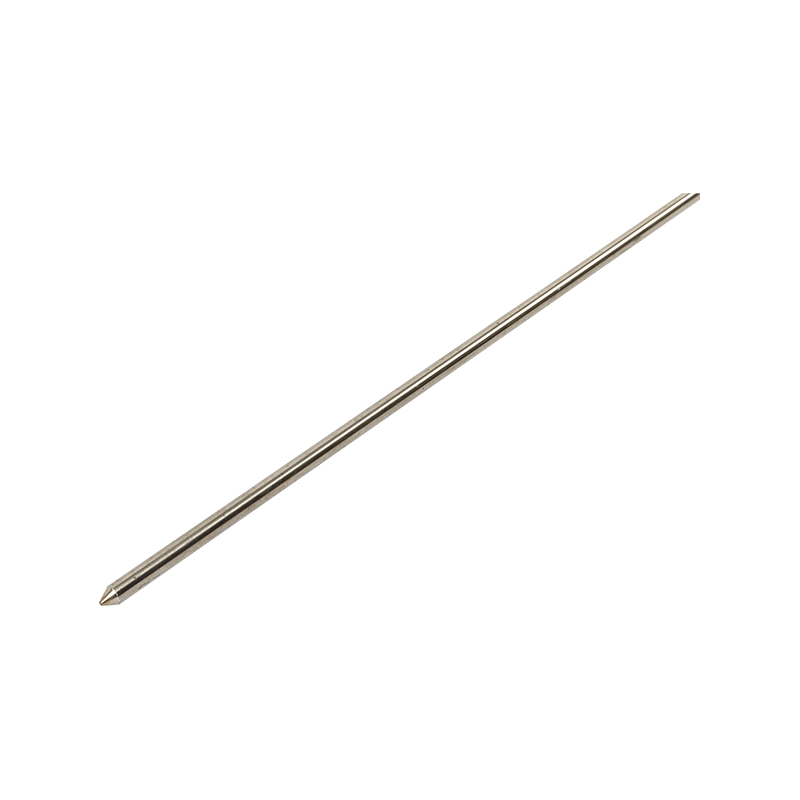
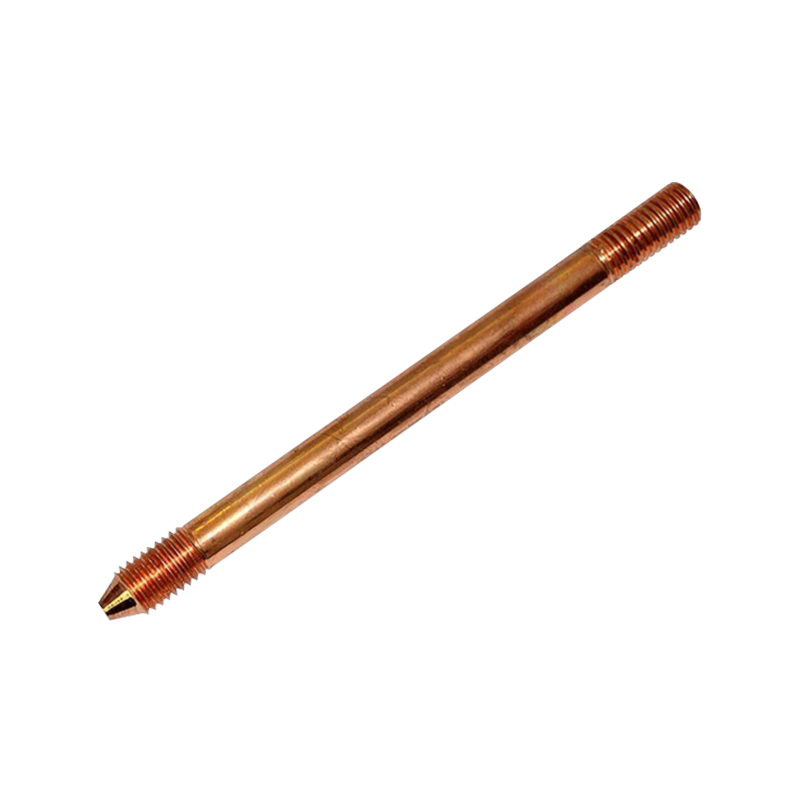
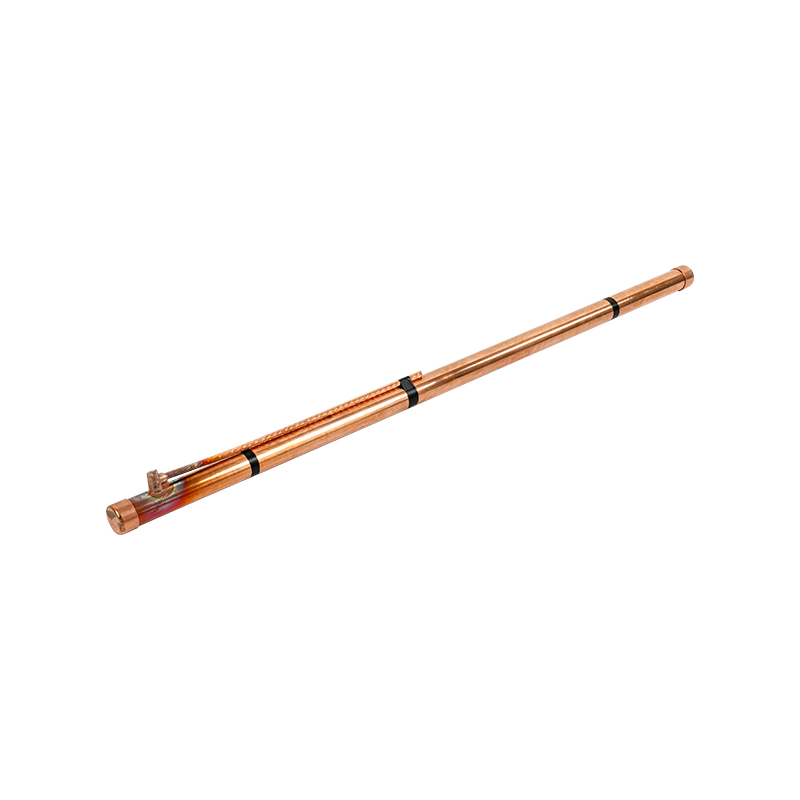
- Grounding: The wire should be connected to a grounding system, usually a copper rod driven deep into the earth. This ensures the safe dissipation of the electrical charge.
While it is possible to install a lightning rod yourself, it’s generally recommended to hire a professional to ensure the installation meets safety standards and building codes.
Maintenance and Inspection of Lightning Rods
While lightning rods are low-maintenance devices, periodic inspections are necessary to ensure they continue to function effectively. Here are some maintenance tips:
- Inspect the Rod Regularly: Check for any signs of corrosion, damage, or wear. Ensure that the rod is still securely fastened and free from obstructions.
- Check the Wiring: Inspect the wiring connecting the lightning rod to the grounding system. Ensure there are no breaks, wear, or loose connections.
- Verify Grounding: Ensure the grounding system remains intact and that the ground rod is still properly buried.
- Professional Inspections: Consider scheduling a professional inspection every few years to ensure that your lightning protection system is working efficiently.
 About Us
 +86-15167536268
 29, Xingmei Avenue, Xinchang, Zhejiang, China