

 English
 简体中文
简体中文
When people hear "grounding rod," most of them picture a boring metal stick that goes into the ground. But in reality, grounding rods are a quiet hero in the electrical world. They may look simple, but they are a critical safety component for homes, factories, and even big industrial plants. And with more electrification happening every year, grounding rods are getting more attention than ever.
What is a grounding rod?
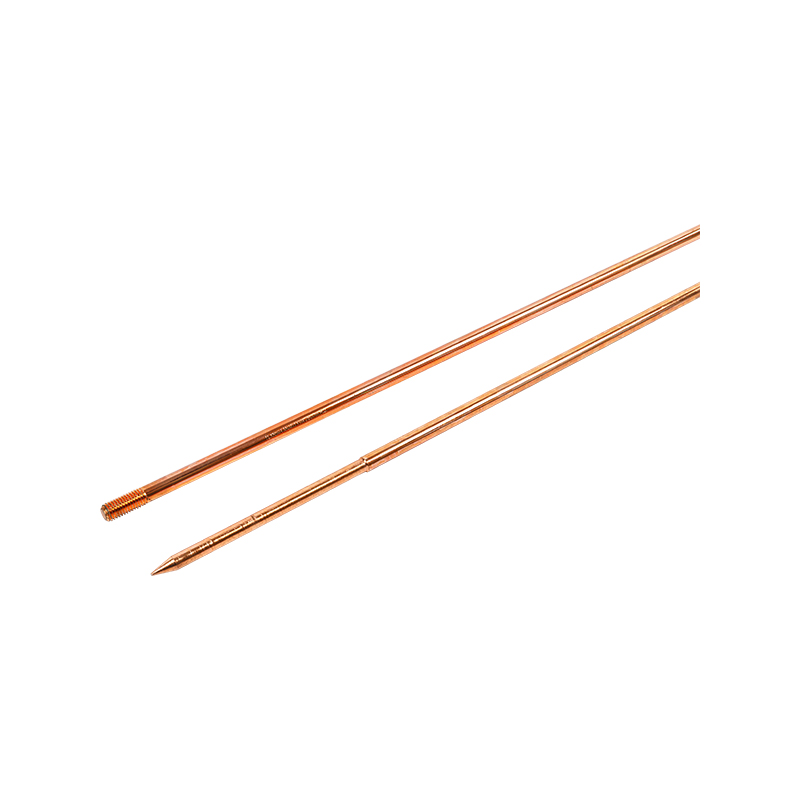
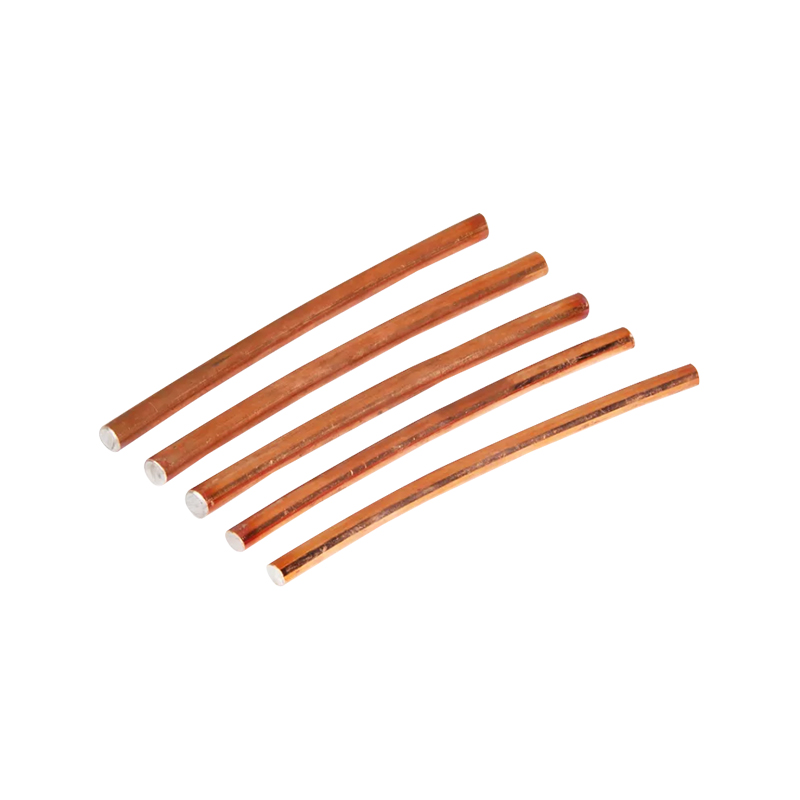
A grounding rod is a long metal rod, usually made of copper or galvanized steel, driven into the ground. Its job is to create a direct path for electrical current to safely travel into the earth. That way, if there’s a fault or surge, the electricity doesn’t go through people or sensitive equipment—it goes straight into the ground.
Why is grounding so important?
Think about it like this: electricity always wants a path. If the path is through a human body or a machine, that’s where trouble happens. Grounding rods provide a low-resistance path for that electricity, so it can safely dissipate. In a world where lightning strikes, power surges, and equipment failures happen daily, grounding rods are basically the "safety valve" for electrical systems.
When are grounding rods used?
Grounding rods are used in almost every electrical installation. Here are the most common situations:
- - Residential buildings (main electrical panel grounding)
- - Commercial buildings (power distribution grounding)
- - Industrial plants (equipment and machinery grounding)
- - Telecom towers (lightning protection grounding)
- - Renewable energy systems (solar farms, wind turbines)
Basically, any place where electricity is used, grounding rods are likely involved.
How does a grounding rod work?
Grounding rods work on a simple principle: provide a direct connection between the electrical system and the earth. When the rod is driven into the soil, it touches a large volume of earth, which acts like a huge conductor. The soil naturally has moisture and minerals that help conduct electricity.
When a fault happens, the electrical current travels through the grounding wire to the rod, and then spreads out through the soil. The bigger the rod contact area and the better the soil conditions, the more effective the grounding will be.
What are the pros and cons?
Pros
First, grounding rods improve safety. That’s the big one. Second, they help protect equipment from surges and lightning strikes. Third, they stabilize the electrical system by providing a reference point for voltage.
Cons
On the downside, grounding performance depends heavily on soil conditions. Dry or rocky soil reduces effectiveness. Also, grounding rods can corrode over time, especially if they are not made from corrosion-resistant materials. Finally, installation can be tricky in some environments, like rocky ground or areas with limited space.
What should manufacturers and installers pay attention to?
Material choice
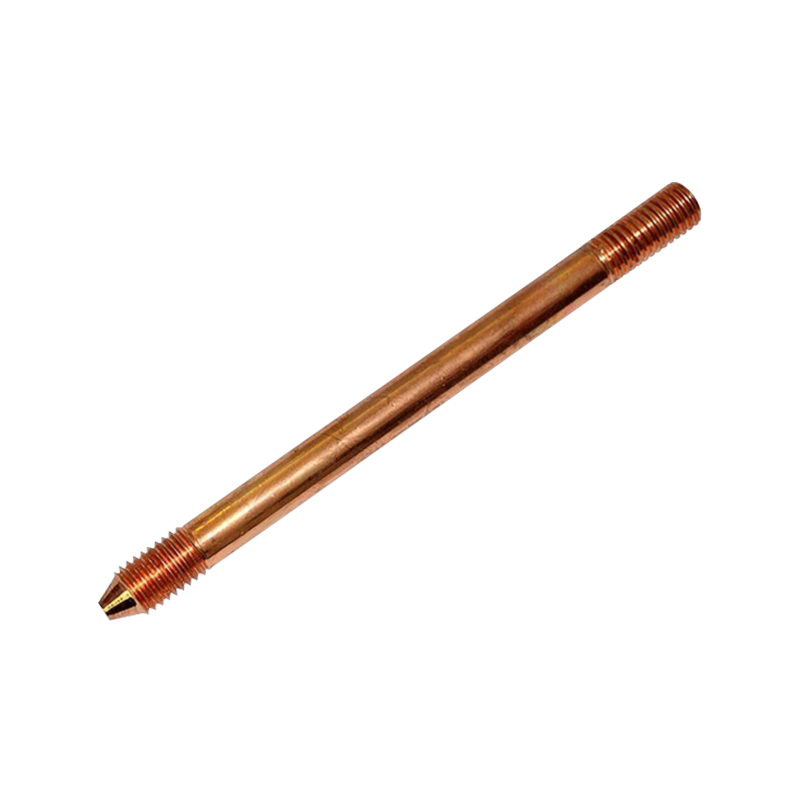
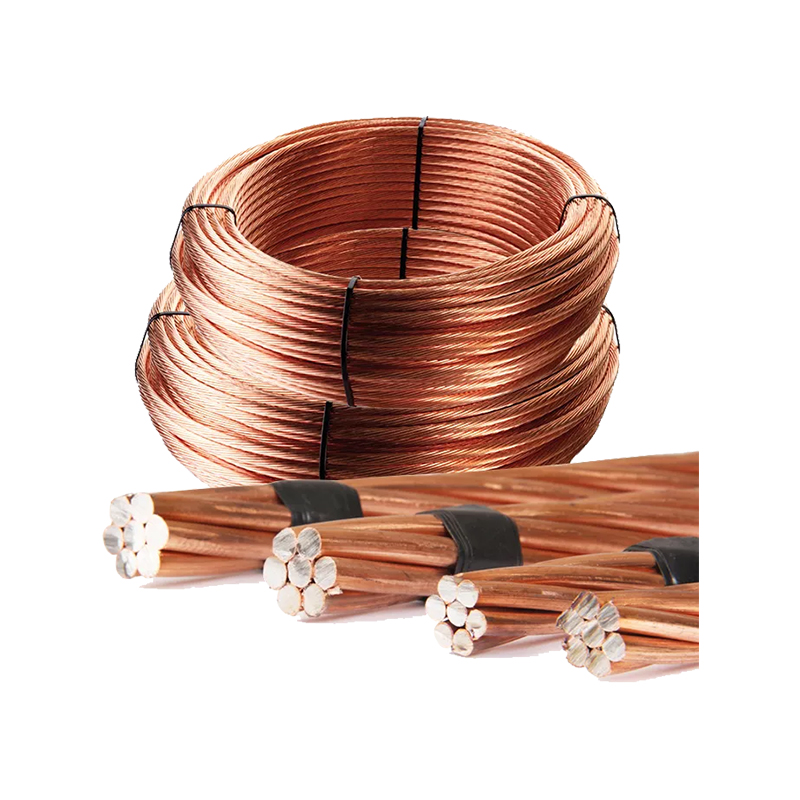
Grounding rods are usually copper-clad or galvanized steel. Copper-clad rods are more corrosion-resistant and last longer, but they can be more expensive. For long-term reliability, copper-clad is usually the better choice.
Rod length and quantity
One rod may not be enough in all cases. Sometimes multiple rods are used and connected together. The length matters too: the deeper the rod goes, the better the contact with moist soil.
Soil testing
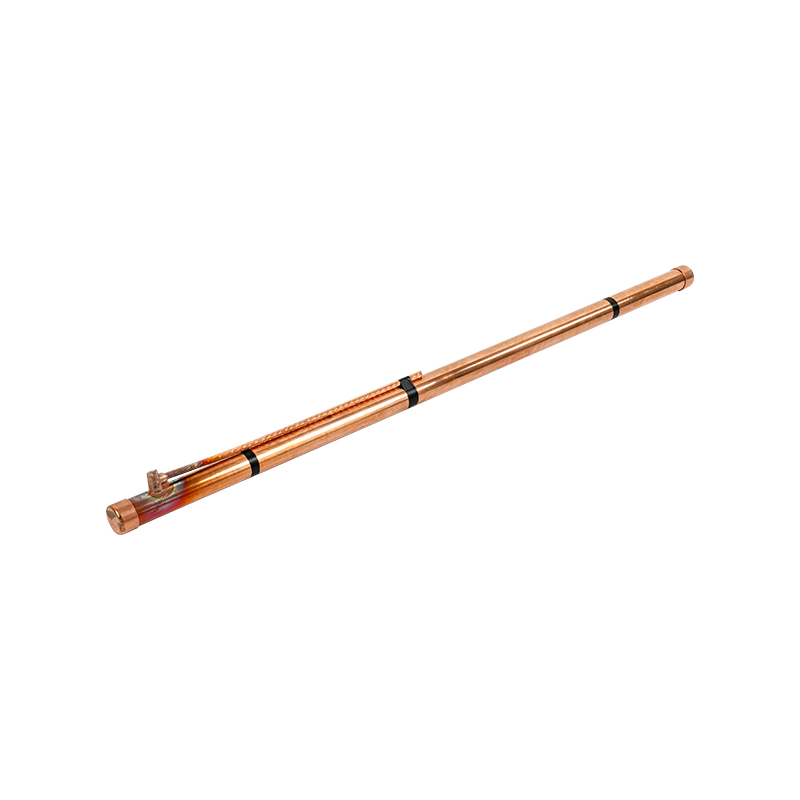
This is often overlooked, but it’s important. Soil resistivity testing helps determine how well the ground can conduct electricity. In high-resistivity soils, you might need special grounding solutions like ground enhancement material or multiple rods.
Maintenance
Even though grounding rods are buried, they still need periodic checks. Over time, corrosion or soil changes can reduce performance. Regular testing can catch issues before they become dangerous.
Quick comparison table: Common grounding rod types
| Rod Type | Material | Best For | Downside |
|---|---|---|---|
| Galvanized Steel Rod | Steel with zinc coating | Cost-sensitive projects | Corrosion over time |
| Copper-Clad Rod | Steel core with copper coating | Long-term reliability | Higher cost |
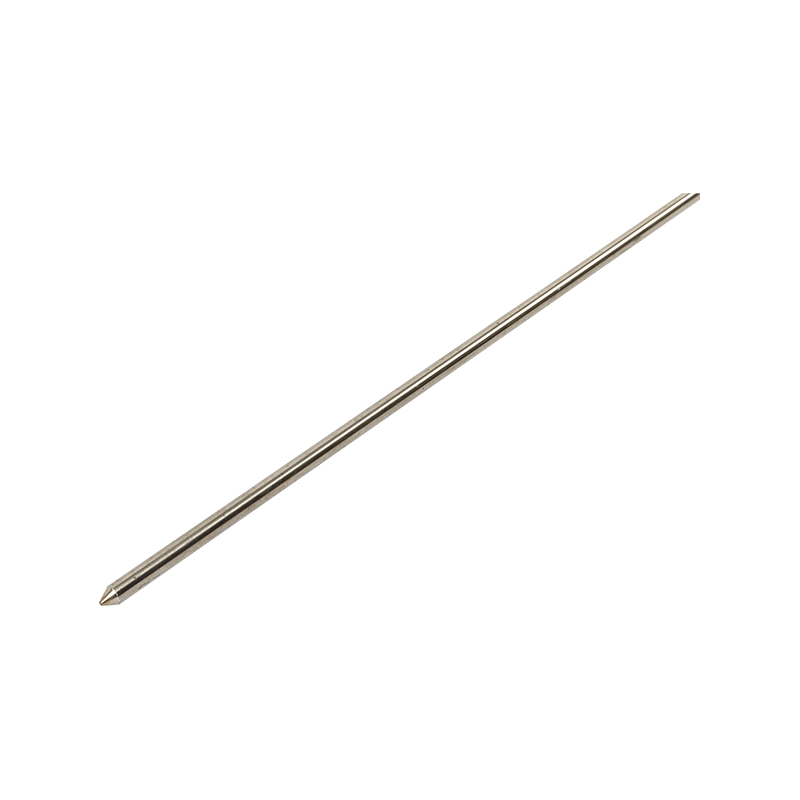
| Stainless Steel Rod | Stainless steel | Harsh soil conditions | Expensive |
Final thoughts
Grounding rods might not be flashy, but they are essential. In the end, they protect people and equipment, reduce risks, and keep electrical systems stable. For manufacturers, the goal is to deliver reliable grounding solutions that stand the test of time. For installers, the goal is to design and implement grounding systems that match real-world soil conditions and safety requirements.
If your next project involves grounding rods, don’t treat them as an afterthought. They may be simple, but they are also one of the most important safety components in any electrical system.
 About Us
 +86-15167536268
 29, Xingmei Avenue, Xinchang, Zhejiang, China