
 English
 简体中文
简体中文
Care every step of the way
15167536268
We are ready to answer any questions by phone or message to us.
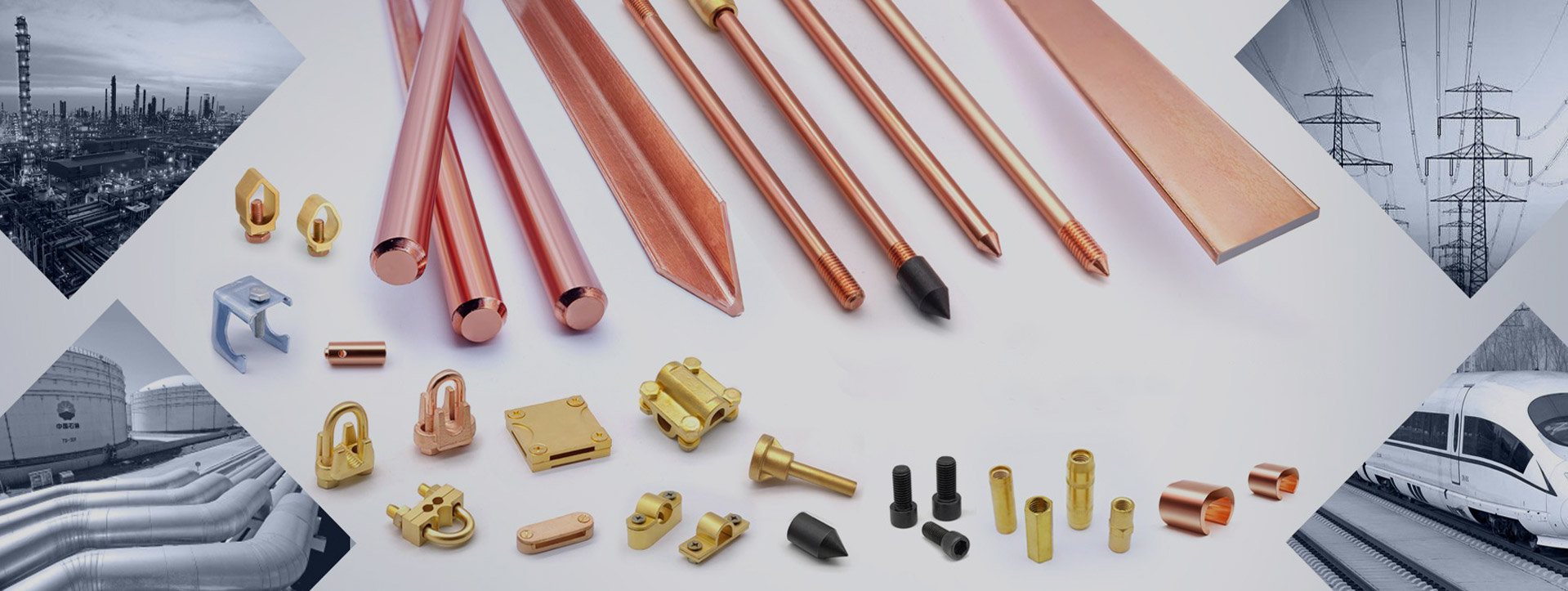

-- Steady & Reliable Manufacturer --
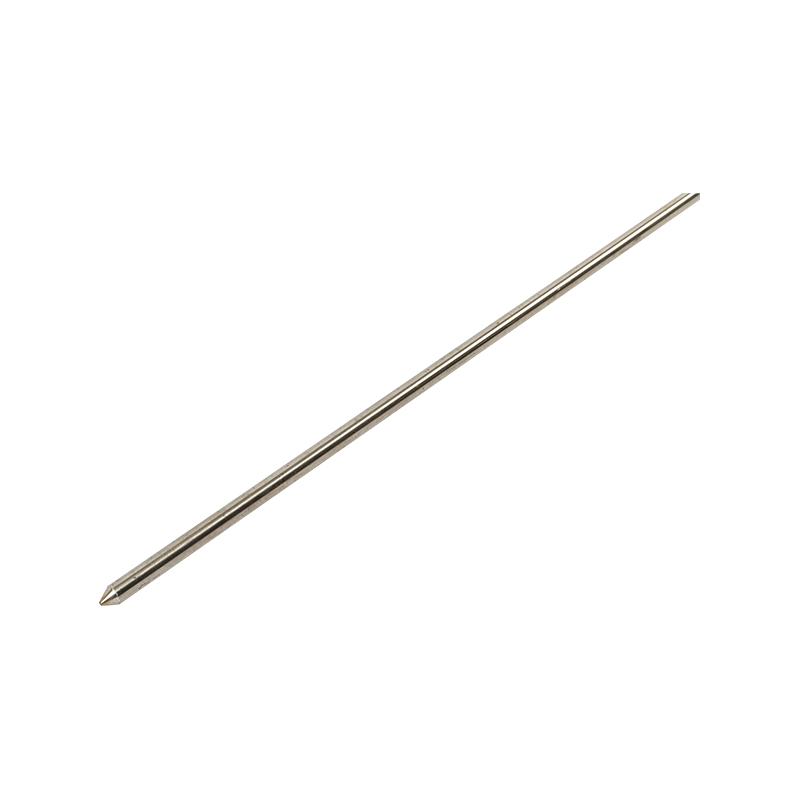
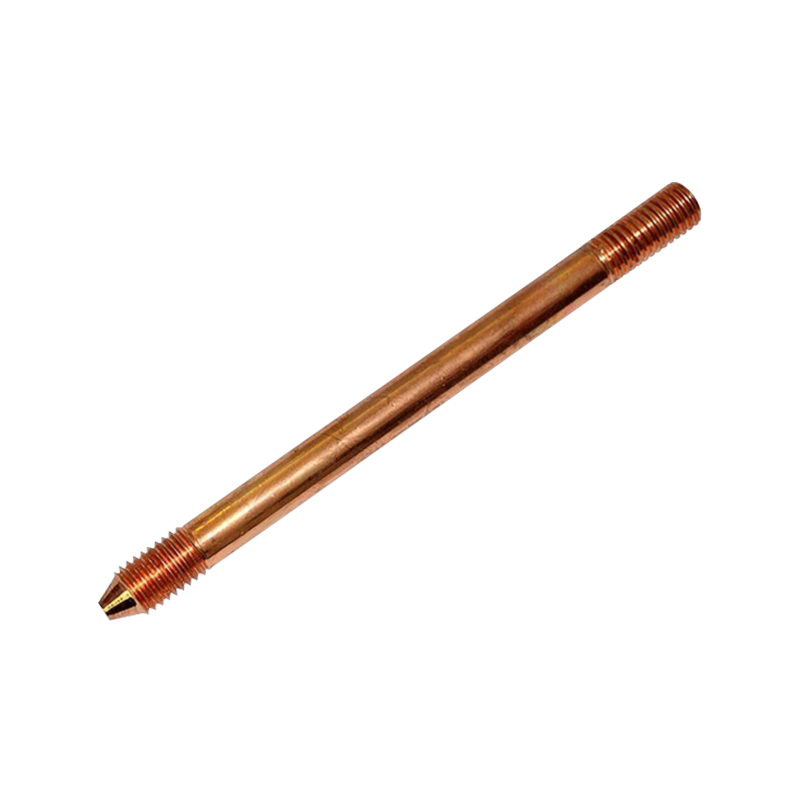
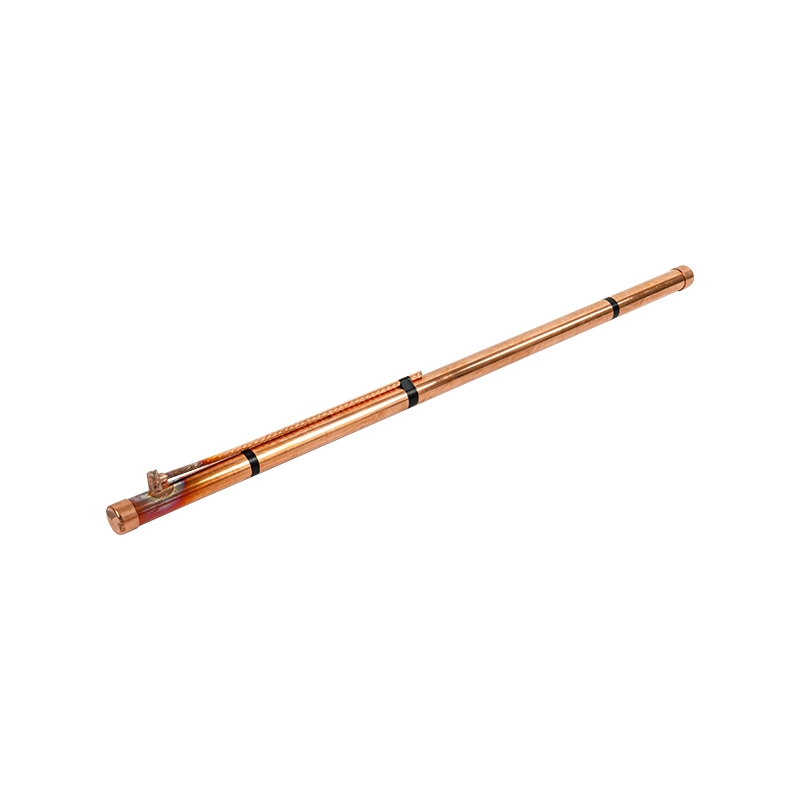
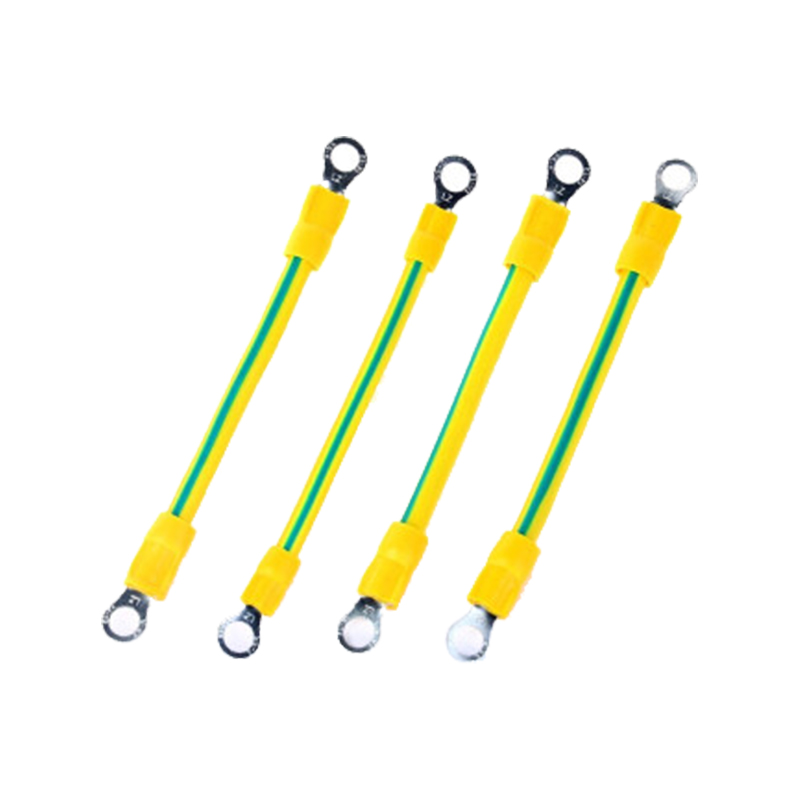
Grounding cables are essential components in electrical and lightning protection systems, designed to provide a reliable grounding path for electrical faults and lightning strikes. Unlike standard electrical cables, grounding cables are specifically designed to withstand high fault currents and harsh outdoor conditions. They are widely used in power distribution systems, communication towers, solar power plants, and industrial facilities. The quality of grounding cables directly affects the safety and stability of the entire grounding network.
Our grounding cables are produced with high-conductivity materials and reinforced insulation (if required) to ensure excellent performance. They come in various cross-sectional areas and lengths to meet different project requirements. With reliable conductivity, strong mechanical properties, and corrosion resistance, our grounding cables provide a solid foundation for safe grounding systems and are suitable for both new installations and system upgrades.
| Type | Material | Diameter | Length | Standard |
|---|---|---|---|---|
| Copper Cable | Pure Copper | 6mm | 50m / roll | IEC 60228 |
| Aluminum Cable | Aluminum | 10mm | 50m / roll | IEEE Std 80 |
| Galvanized Cable | Steel + Zinc | 12mm | 50m / roll | BS EN 62305 |
| Insulated Cable | Copper + PVC | 8mm | 30m / roll | IEC 60502 |
| Bare Cable | Copper | 16mm | 20m / roll | UL 467 |
| Flexible Cable | Copper Strands | 20mm | 20m / roll | IEC 62561 |
| Copper-Clad Cable | Cu-Clad Steel | 25mm | 10m / roll | IEEE Std 142 |
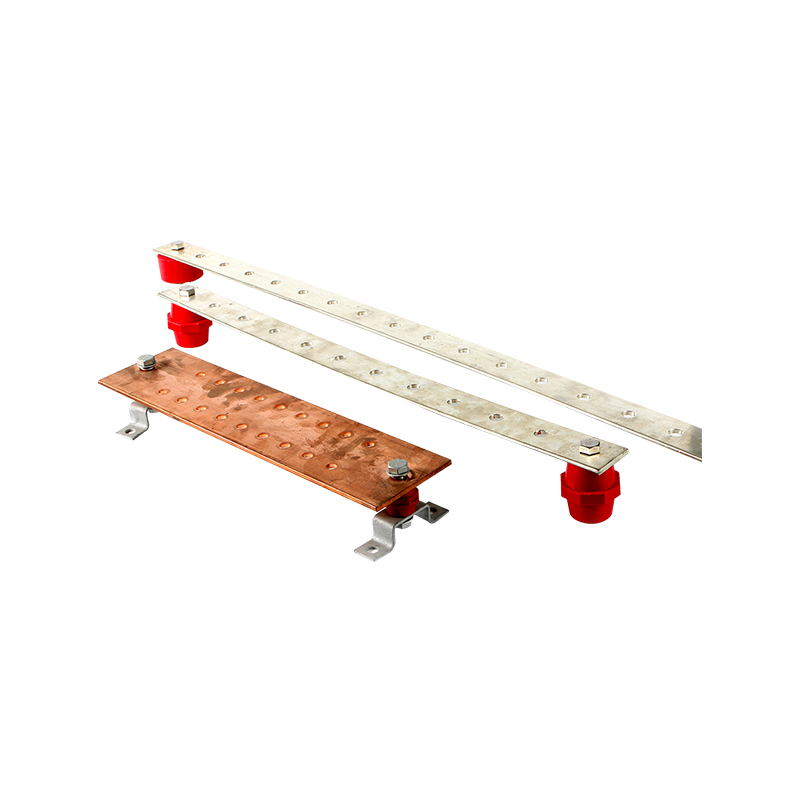
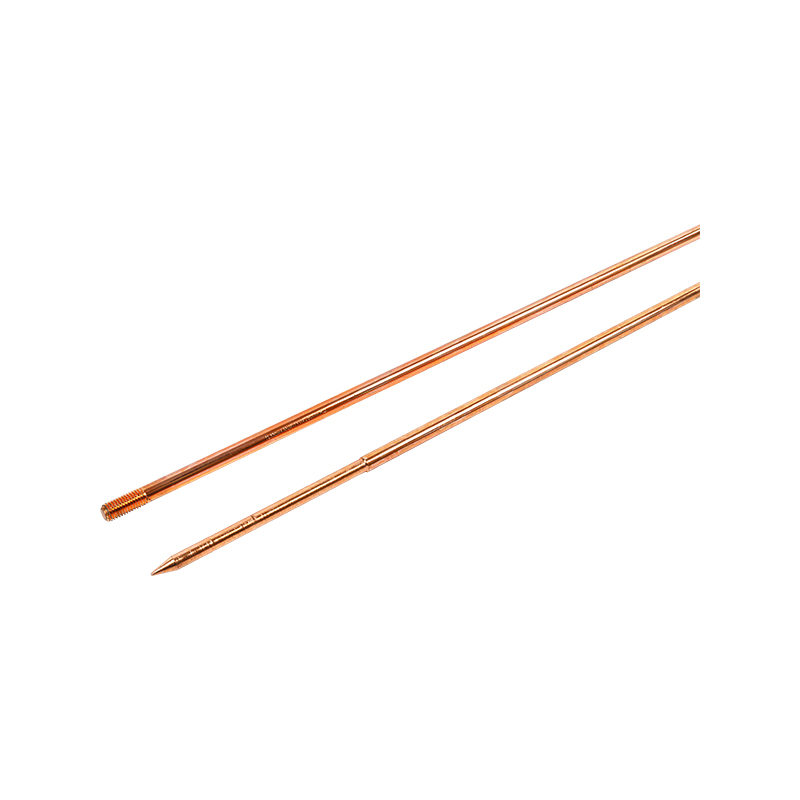
Grounding network connections: Used to connect grounding rods, grounding busbars, and equipment to form a complete grounding network.
Substation grounding: Used in substations and switchgear rooms for grounding of transformers and electrical equipment.
Power distribution grounding: Used in power distribution rooms and panels to ensure stable grounding.
Construction site grounding: Used for temporary grounding during construction and maintenance.
Telecom grounding: Used in communication base stations and tower grounding systems.
Industrial grounding: Used in factories and industrial parks for equipment grounding and bonding.
Solar and wind power grounding: Used in renewable energy projects for grounding arrays and inverters.
Lightning protection grounding: Used to connect lightning rods to grounding networks.
Q: What is a grounding cable?
A: A grounding cable is a conductor used to connect electrical equipment to the grounding system to ensure safety.
Q: What materials are grounding cables made of?
A: Common materials include copper, aluminum, stainless steel, and tinned copper.
Q: What is the difference between grounding cable and grounding wire?
A: Grounding cable usually refers to thicker, multi-strand conductors, while grounding wire is thinner and often single-strand.
Q: Can grounding cables be used in high-voltage systems?
A: Yes, as long as they meet the required current-carrying capacity and insulation standards.
Q: How do you choose the right grounding cable size?
A: Size is determined based on system voltage, fault current, grounding resistance requirements, and national standards.
Q: Are grounding cables suitable for outdoor use?
A: Yes, but they should have UV-resistant insulation and corrosion protection.
Q: What is the service life of grounding cables?
A: Usually 10–30 years depending on the environment and material.
Q: Do grounding cables require maintenance?
A: Yes, periodic inspection of connections, corrosion, and insulation is recommended.
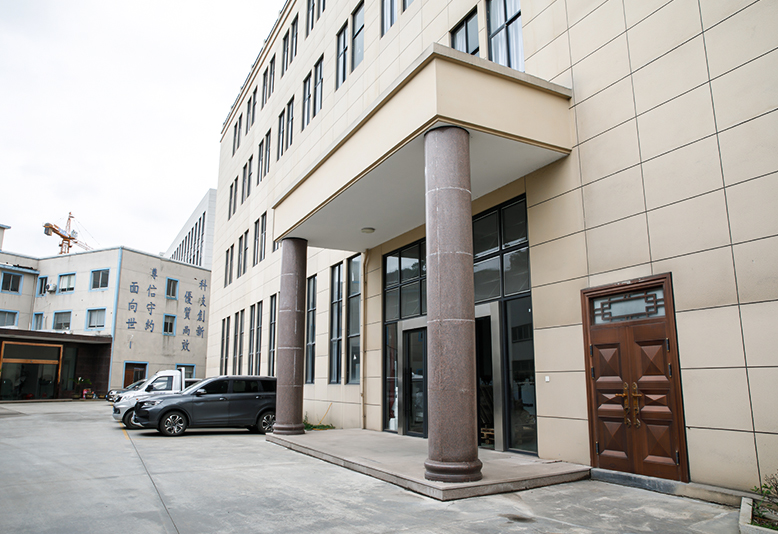
Xinchang TuAn Machinery Co., Ltd.Rooted in the past, facing the future?
Based on customer needs, connect the products and technologies required by customers with the scientific research capabilities of universities to achieve innovation based on customer needs.
TuAn is famous China Grounding Cables Manufacturers and Grounding Cables Factory. The company continuously strengthens cooperation with upstream and downstream enterprises, rapidly expands comprehensive service capabilities, and transforms from a single lightning protection enterprise to a comprehensive large-scale project supporting enterprise. After years of accumulation, TuAn has formed a stable customer base covering important fields such as petroleum and petrochemical, high-speed rail, and electric power.
If you have any comments or inquiries. We will be happy to contact you .

Care every step of the way
We are ready to answer any questions by phone or message to us.
29, Xingmei Avenue, Xinchang, Zhejiang, China
+86-15167536268
+86-0575-86251126
Copyright © Xinchang TuAn Machinery Co., Ltd. All Rights Reserved. Wholesale Grounding Cables Manufacturers

 About Us
 +86-15167536268
 29, Xingmei Avenue, Xinchang, Zhejiang, China