
 English
 简体中文
简体中文
Care every step of the way
15167536268
We are ready to answer any questions by phone or message to us.
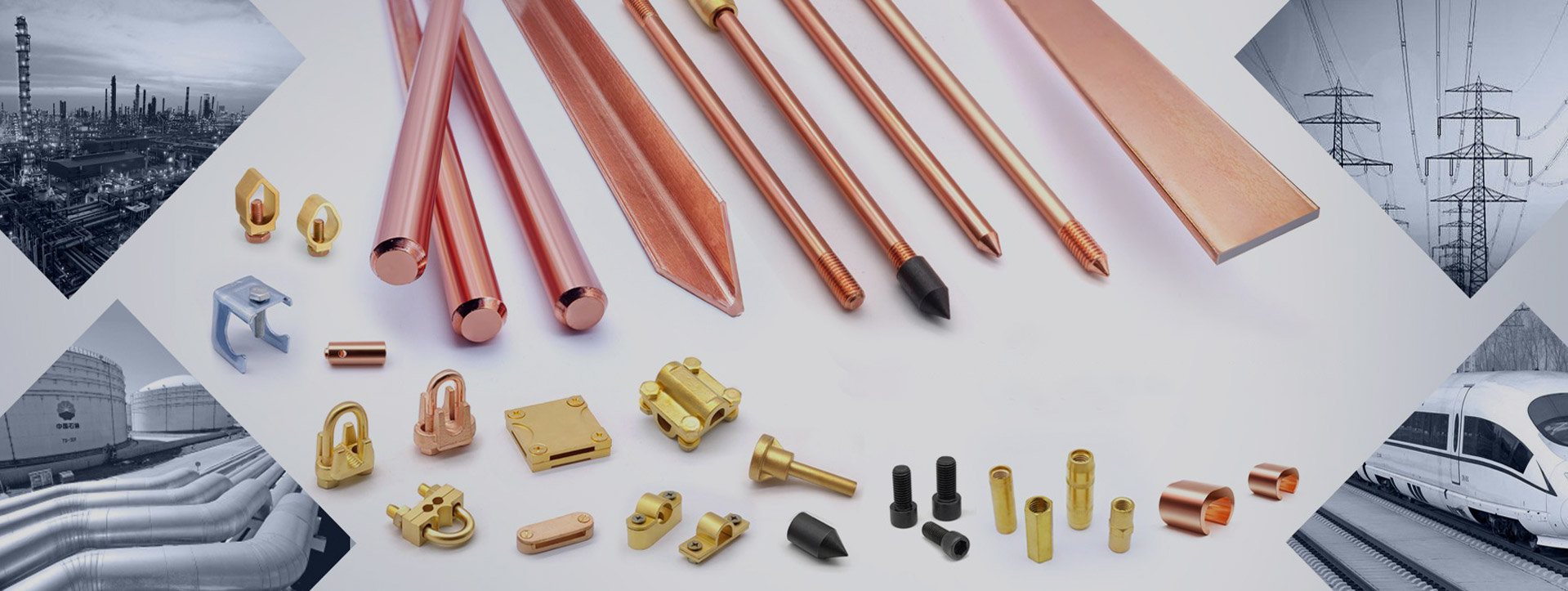

-- Steady & Reliable Manufacturer --
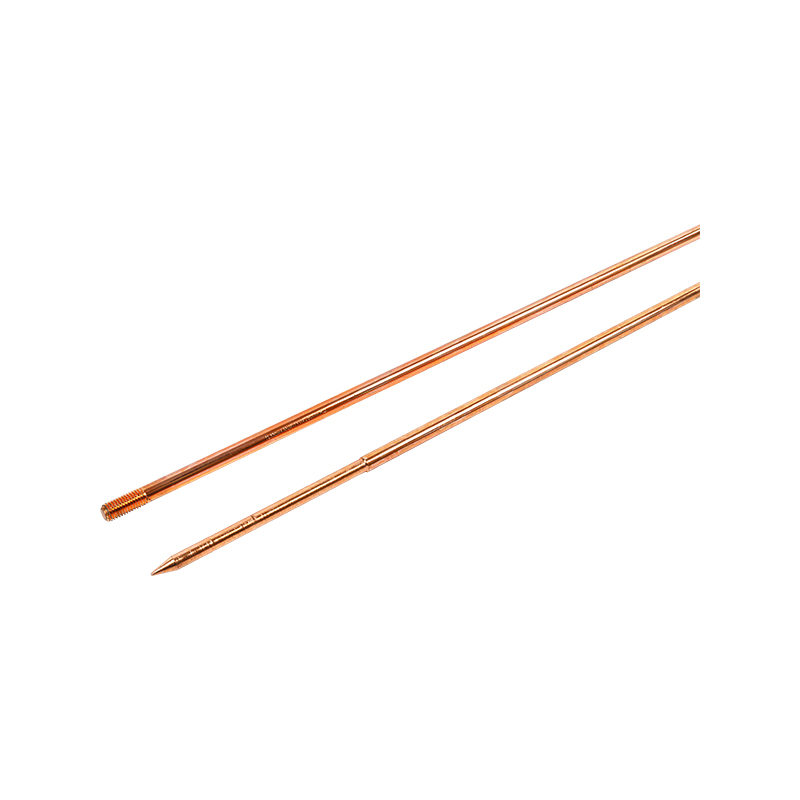
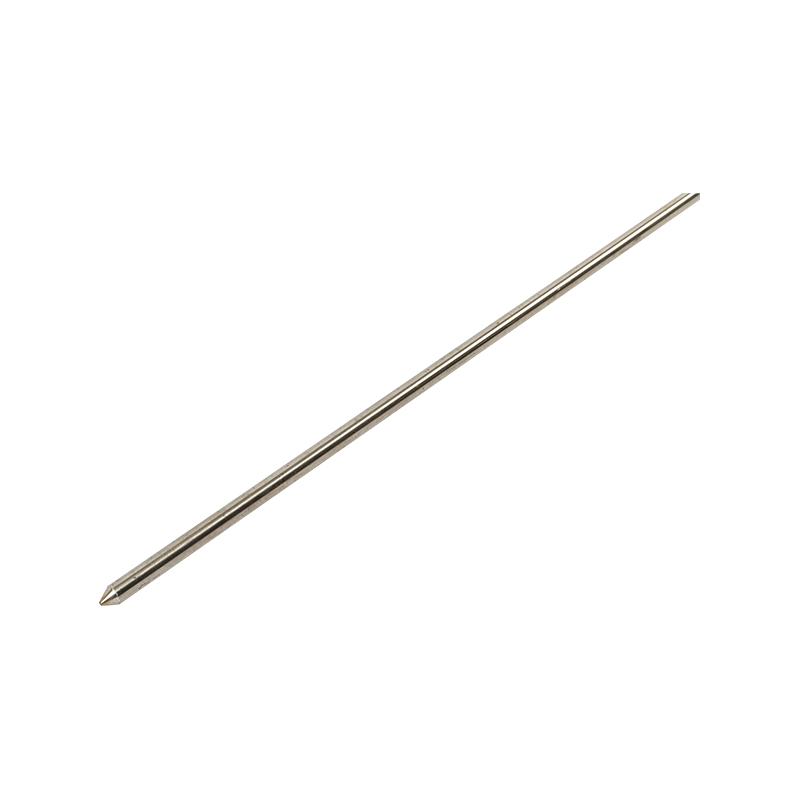
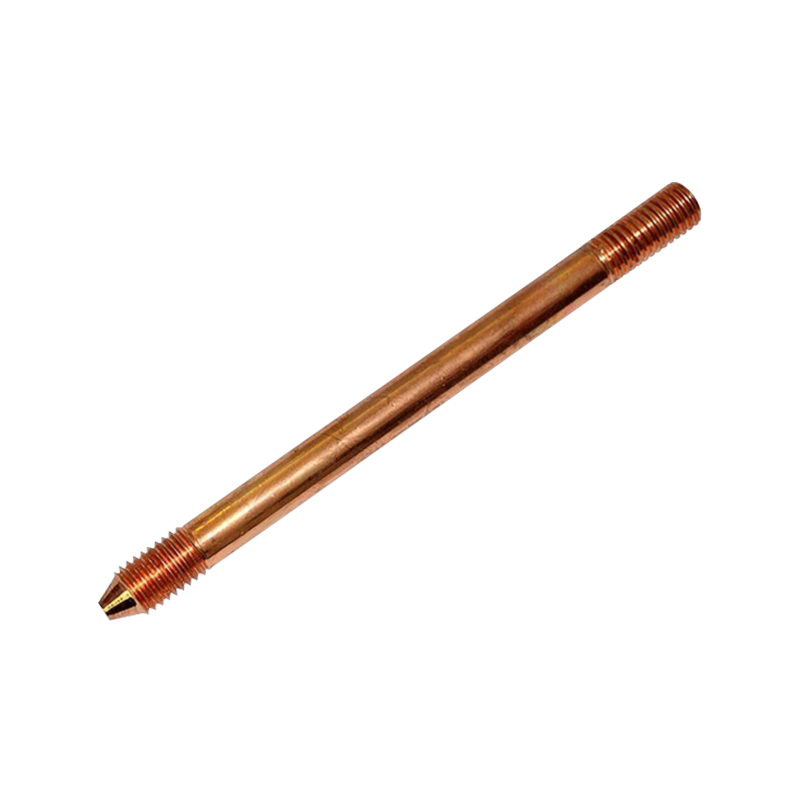
Grounding rod couplers are essential connectors used to join grounding rods in series, allowing for deeper grounding electrode systems and better soil contact. In large-scale grounding projects, such as power stations, communication towers, and industrial plants, a single rod often cannot reach the required depth due to soil conditions. By using grounding rod couplers, multiple rods can be securely connected to achieve the necessary grounding depth and low resistance.
Our grounding rod couplers are manufactured with high-strength materials and precise threading to ensure a stable and long-lasting connection. They are designed to resist corrosion and mechanical stress, ensuring consistent electrical continuity under harsh environmental conditions. Whether you are installing a new grounding system or upgrading an existing one, the use of reliable rod couplers is crucial for achieving optimal grounding performance and long-term safety.
| Type | Material | Diameter | Length | Standard |
|---|---|---|---|---|
| Rod Coupler M10 | Galvanized Steel | 10 mm | 50–80 mm | IEC 62561 |
| Rod Coupler M12 | Copper Plated Steel | 12 mm | 60–90 mm | GB/T 16926 |
| Rod Coupler M16 | Stainless Steel | 16 mm | 70–100 mm | ASTM B 170 |
| Rod Coupler M20 | Hot-Dip Galvanized Steel | 20 mm | 80–110 mm | ISO 1461 |
| Rod Coupler for Copper Rod | Copper | 12 mm | 70–100 mm | IEC 62561 |
| Rod Coupler for Stainless Rod | Stainless Steel | 16 mm | 80–110 mm | ASTM A 276 |
| Rod Coupler for Composite Rod | Composite + Steel | 14 mm | 75–105 mm | GB/T 16927 |
Extension of grounding rods: Used to connect two or more grounding rods to increase grounding depth in high-resistance soil.
System expansion: Suitable for large grounding networks where multiple rods need to be linked to form a complete grounding system.
Electrical substations: Used in substation grounding grids to ensure low resistance and stable grounding performance.
Telecommunication towers: Applied to extend grounding rods for tall towers to improve lightning discharge capability.
Renewable energy sites: Used in solar farms and wind farms to connect grounding rods and ensure system safety.
Industrial plants: Used in factories and workshops for grounding network expansion and equipment protection.
Mining and infrastructure projects: Used in harsh soil environments to extend grounding depth and improve performance.
Power distribution systems: Used in transformer stations and power distribution rooms for grounding network reinforcement.
Q: What is a grounding rod coupler used for?
A: It is used to connect two grounding rods to extend the grounding depth and reduce resistance.
Q: What materials are grounding rod couplers made of?
A: Common materials include copper, copper-clad steel, and galvanized steel.
Q: Can grounding rod couplers be used in corrosive soil?
A: Yes, choose corrosion-resistant materials like copper or copper-clad steel for harsh environments.
Q: How do you install a grounding rod coupler?
A: Screw the coupler onto the rod threads, ensuring tight and secure connection to avoid loosening.
Q: Is threading standard for all couplers?
A: Thread standards may vary; please confirm diameter and thread pitch before purchase.
Q: Can couplers be used for exothermic welding?
A: Yes, couplers can be welded with exothermic welding for permanent connections.
Q: What is the typical length of a coupler?
A: Typically 100mm to 200mm, depending on rod diameter and design.
Q: How to ensure long-term reliability?
A: Use corrosion-resistant materials and ensure proper tightening during installation.
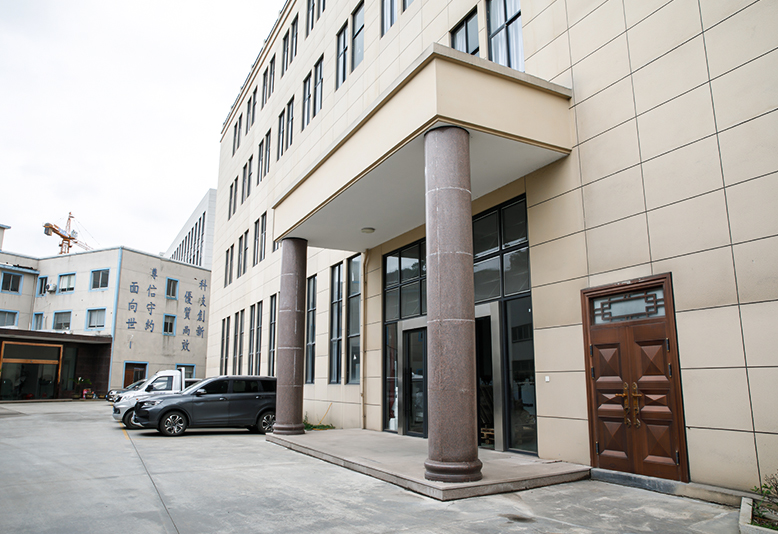
Xinchang TuAn Machinery Co., Ltd.Rooted in the past, facing the future?
Based on customer needs, connect the products and technologies required by customers with the scientific research capabilities of universities to achieve innovation based on customer needs.
TuAn is famous China Grounding Rod Couplers Manufacturers and Grounding Rod Couplers Factory. The company continuously strengthens cooperation with upstream and downstream enterprises, rapidly expands comprehensive service capabilities, and transforms from a single lightning protection enterprise to a comprehensive large-scale project supporting enterprise. After years of accumulation, TuAn has formed a stable customer base covering important fields such as petroleum and petrochemical, high-speed rail, and electric power.
If you have any comments or inquiries. We will be happy to contact you .

Care every step of the way
We are ready to answer any questions by phone or message to us.
29, Xingmei Avenue, Xinchang, Zhejiang, China
+86-15167536268
+86-0575-86251126
Copyright © Xinchang TuAn Machinery Co., Ltd. All Rights Reserved. Wholesale Grounding Rod Couplers Manufacturers

 About Us
 +86-15167536268
 29, Xingmei Avenue, Xinchang, Zhejiang, China