

 English
 简体中文

100 Amp Ground Wire Size: The Short Answer
For a 100 amp circuit, the minimum equipment grounding conductor (EGC) is 8 AWG copper or 6 AWG aluminum. That figure comes from NEC Table 250.122, and it applies the same way to a 100 A breaker in a panel, a 100 A feeder to a subpanel, and a 100 A service disconnect. Pull four wires out to a 100 A subpanel and the fourth one is 8 AWG copper, not the 10 AWG that many installers reach for out of habit.
Two conditions sit on top of that minimum. The table sets a floor, not a target, so nothing stops you from installing 6 AWG copper on a long run or in a corrosive location. And if the current-carrying conductors are enlarged for voltage drop, the ground wire has to be enlarged with them. Those two rules explain most of the arguments that come up on this subject at the job site.
Why the Breaker Rating, Not the Load, Sets the Size
An equipment grounding conductor carries no current during normal operation. It sits at the potential of the soil under the building and does nothing until a hot conductor touches a metal enclosure, a raceway, or a motor frame. At that moment it becomes the return path, and the fault current flowing through it is limited only by the impedance of the loop.
The breaker then has to open before the conductor is damaged. A 100 A molded case breaker on its instantaneous trip may clear a 5,000 A fault in a couple of cycles. A thermal-magnetic device on a long, high-impedance run can take far longer, and the energy the conductor absorbs is proportional to current squared multiplied by time. The deciding factor is the setting of the overcurrent device, never what the circuit actually draws.
That is why a 100 A feeder carrying only 35 A of load still needs an 8 AWG copper EGC. Matching the ground wire to the measured load is one of the most common field errors, and it shows up in an inspection report as a code violation rather than as a performance complaint.
Equipment Grounding Conductor or Grounding Electrode Conductor
The phrase "100 amp ground wire size" hides a fork in the road. Two different conductors are both called the ground wire on a 100 A system, and they are sized from two different tables for two different reasons. Sorting out which one you are holding saves a lot of second-guessing.
- Grounding conductors on a 100 A system
- Equipment grounding conductor (EGC)
- Sized by NEC 250.122 from the rating of the overcurrent device
- Runs with the circuit conductors and bonds enclosures and raceways
- 100 A circuit: 8 AWG copper or 6 AWG aluminum
- Grounding electrode conductor (GEC)
- Sized by NEC 250.66 from the largest ungrounded service conductor
- Typical 100 A service with 2 AWG copper service conductors: 8 AWG copper or 6 AWG aluminum
- Connection to a single rod, pipe, or plate electrode never has to be larger than 6 AWG copper
- Main bonding jumper and supply-side bonding jumpers
- Sized from NEC 250.102, not from 250.122
- Equipment grounding conductor (EGC)
On a 100 A service the two answers often land on the same number, 8 AWG copper, which is exactly why the confusion survives. They arrive there by different routes, and the routes diverge the moment the service gets larger or the feeder conductors get upsized. If you remember only one thing, remember that the EGC follows the breaker and the GEC follows the service conductors.
The Table Behind the Number
Table 250.122 lists minimum EGC sizes against the rating of the overcurrent device protecting the circuit. The relevant rows look like this.
| Overcurrent device rating | Copper EGC | Aluminum EGC |
|---|---|---|
| 15 A | 14 AWG | 12 AWG |
| 20 A | 12 AWG | 10 AWG |
| 60 A | 10 AWG | 8 AWG |
| 100 A | 8 AWG | 6 AWG |
| 200 A | 6 AWG | 4 AWG |
| 400 A | 3 AWG | 1 AWG |
| 600 A | 1 AWG | 2/0 AWG |
The curve is not linear, and that matters when you are estimating material. Going from a 100 A to a 200 A circuit changes the copper EGC from 8 AWG to 6 AWG, a modest step. Going from 100 A to 600 A changes it from 8 AWG to 1 AWG, which is roughly five times the copper cross-section. The chart below shows the same progression in circular mils, the unit the code itself uses when you have to calculate a proportional increase.
How the minimum copper EGC grows with the breaker
60 A, 10 AWG
10.4 kcmil
100 A, 8 AWG
16.5 kcmil
200 A, 6 AWG
26.2 kcmil
400 A, 3 AWG
52.6 kcmil
600 A, 1 AWG
83.7 kcmil
Bar length is proportional to conductor cross-sectional area, not diameter. That is the right way to compare them, because fault current capacity tracks metal area.
When 8 AWG Copper Is Not Enough
NEC 250.122(B) says that where ungrounded conductors are increased in size above the minimum required by ampacity, the EGC must be increased proportionally. The proportional increase uses circular mil area, and this is where the arithmetic catches people out.
Take a 100 A feeder normally installed with 3 AWG copper ungrounded conductors at 52,620 circular mils and an 8 AWG copper EGC at 16,510 circular mils. The run is long enough that you upsize to 1 AWG copper at 83,690 circular mils to hold voltage drop under 3 percent. The area ratio is 83,690 divided by 52,620, or 1.59. Multiply the original EGC area by that ratio and you need at least 26,258 circular mils.
A 6 AWG copper conductor has 26,240 circular mils. It misses by 18 circular mils, so 6 AWG fails and 4 AWG at 41,740 circular mils is the correct answer. An inspector with a calculator will find that gap, and it is the single most common reason an upsized 100 A feeder gets written up.
- The rule only triggers when the ungrounded conductors are larger than ampacity requires, not when the load is simply heavy.
- Leave the conductors at 3 AWG copper and the EGC stays at 8 AWG copper, no calculation needed.
- On parallel feeder runs, each raceway carries its own full-size EGC based on the overcurrent device rating. You cannot split one 8 AWG conductor across three conduits.
- Metal raceways such as EMT, IMC, and rigid metal conduit are recognized as equipment grounding paths on their own, but many industrial specifications still call for a wire-type EGC, particularly in corrosive or high-vibration areas.
Copper or Aluminum at 100 Amps
Aluminum needs one size up because its conductivity is roughly 61 percent that of copper. That is the whole reason the table asks for 6 AWG aluminum where copper is 8 AWG, and the two conductors then behave almost identically in terms of resistance per foot.
Where they differ is at the terminations and in the environment. Aluminum expands and contracts more with temperature cycling, so terminations need AL/CU rated lugs and, on larger sizes, an antioxidant compound. Aluminum should not be in direct contact with copper, brass, or galvanized steel in wet locations without a suitable barrier, and it should never be installed in direct burial without a corrosion-resistant jacket or a listed application. Copper costs more but forgives more. On a 100 A circuit, which is a small conductor by comparison with service work, most engineers simply stay with copper and avoid the conversation.
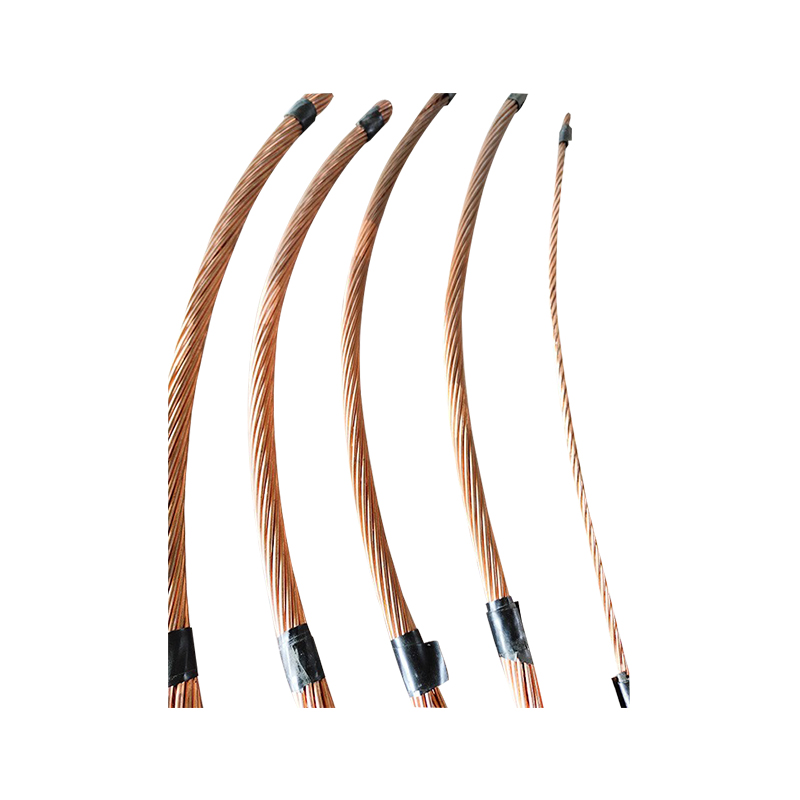
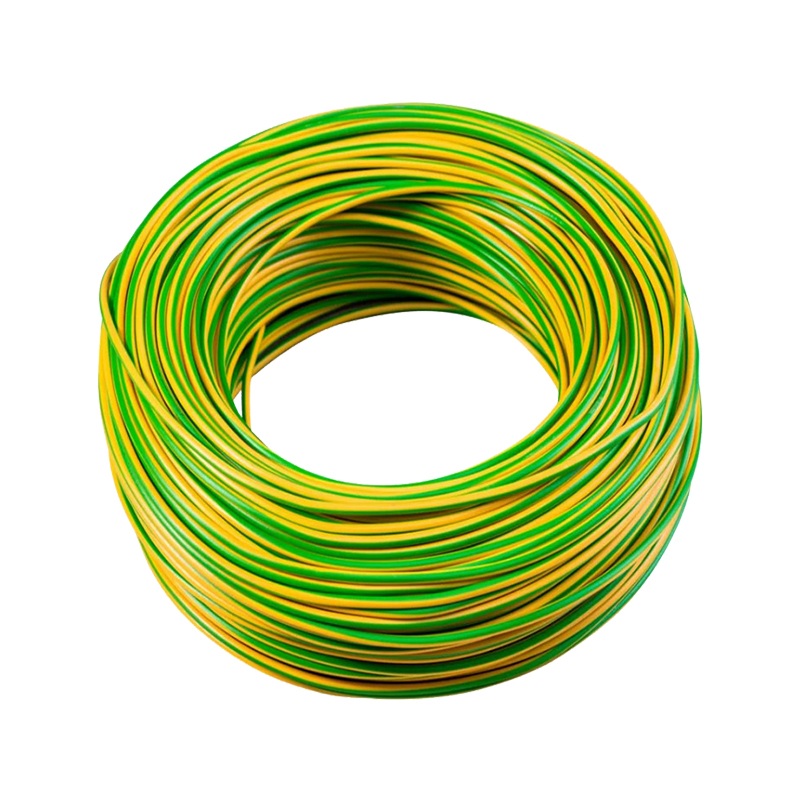
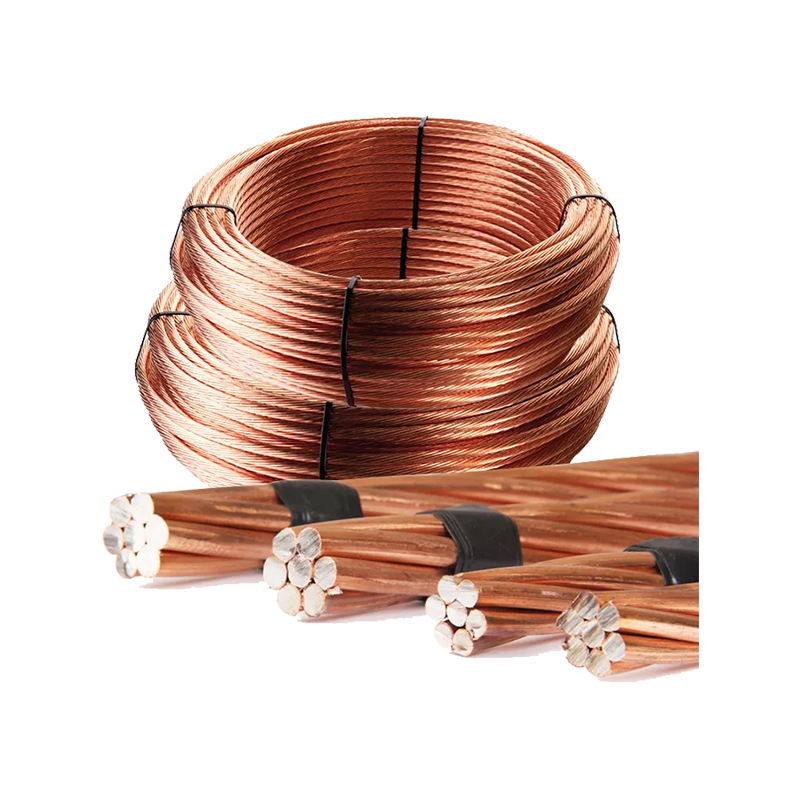
Identification matters too. Bare copper is permitted as an EGC, while insulated equipment grounding conductors must be green or green with one or more yellow stripes. Do not let a green conductor be repurposed as a neutral in a subpanel feeder, and do not rely on a re-identified white conductor as your ground. Where buried grounding conductors face theft risk or mechanical abuse, copper-clad steel stranded wire is a practical alternative to plain copper, since it offers the same low-resistance path with a steel core that resists cutting and pulling.
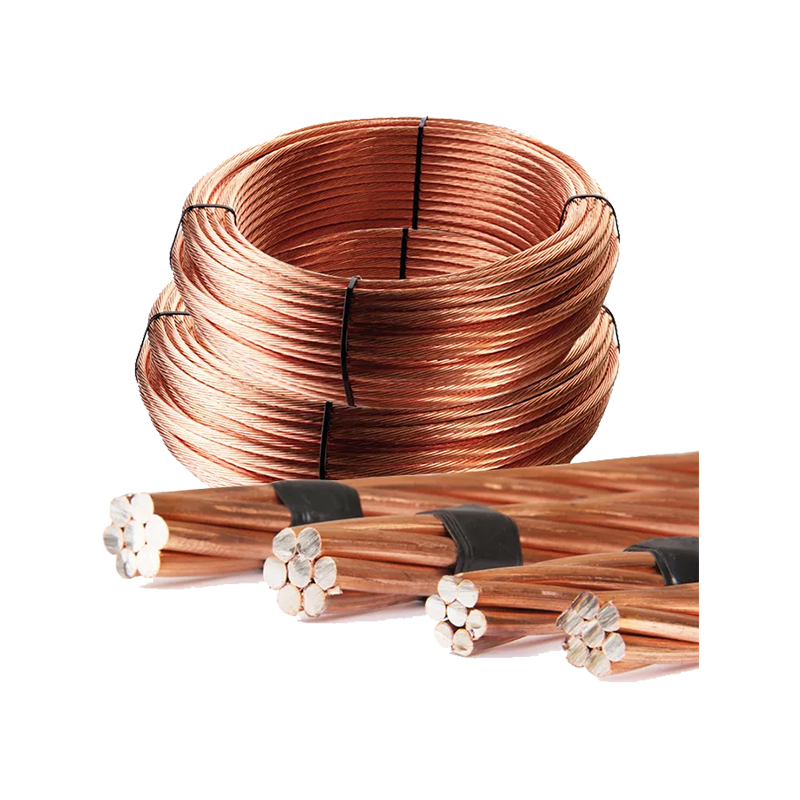 Copper-Clad Steel Stranded Wire for Earthing and GroundingA copper-clad steel stranded conductor suited to buried grounding runs where theft or mechanical abuse makes plain copper less practical.View Product →
Standard copper grounding wire remains the default for panel-to-panel and enclosure bonding, and it is the easiest material to terminate correctly with ordinary lugs and connectors.
What to Buy, and What to Check Before You Order
Once you know the size is 8 AWG copper or 6 AWG aluminum, the remaining decisions are about form and finish rather than ampacity.
- Stranding: solid 8 AWG is stiff and pulls easily through short runs of conduit, while stranded 8 AWG bends better inside enclosures and tolerates vibration. In industrial panels, stranded with a crimped terminal is usually the safer choice.
- Insulation: green XLPE or PVC for an insulated EGC, or bare copper where the raceway already provides protection and the specification allows it.
- Conductivity: soft-drawn copper is typically specified at 100 percent IACS. Ask for the mill certificate if the project has a third-party inspector.
- Corrosion: tin-plated copper strands are worth the premium in coastal, chemical, or high-humidity plants, where bare copper develops a green patina and connection resistance creeps upward.
- Inventory discipline: keep 8 AWG copper, 6 AWG copper, 6 AWG aluminum, and 4 AWG copper on hand. Those four cover nearly every 100 A call you will get, including the upsized cases.
Suppliers who publish circular mil area, strand count, and material grade make the 250.122(B) calculation a two-minute job instead of a phone call.
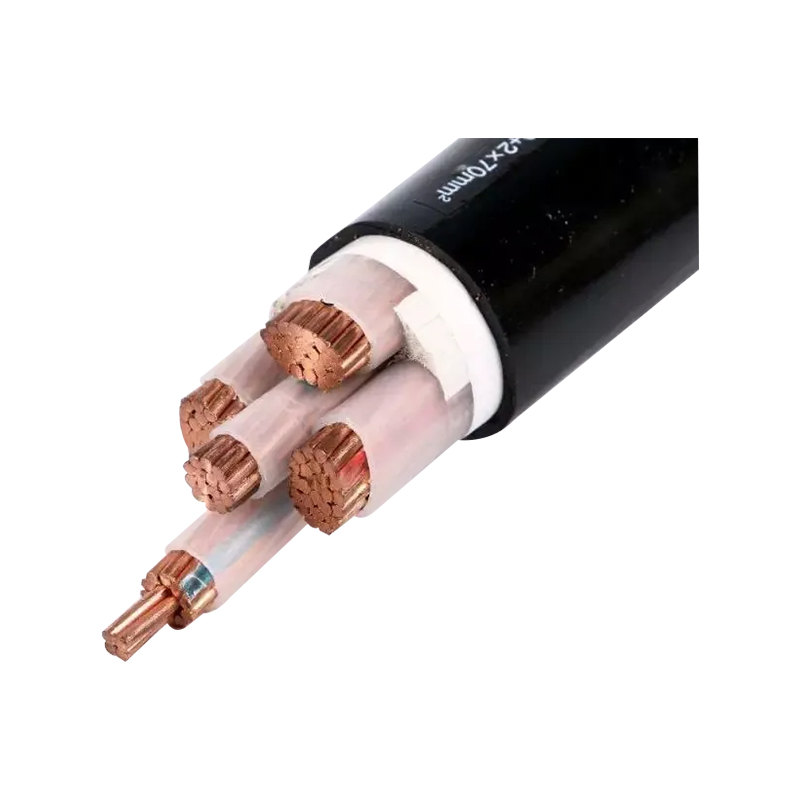
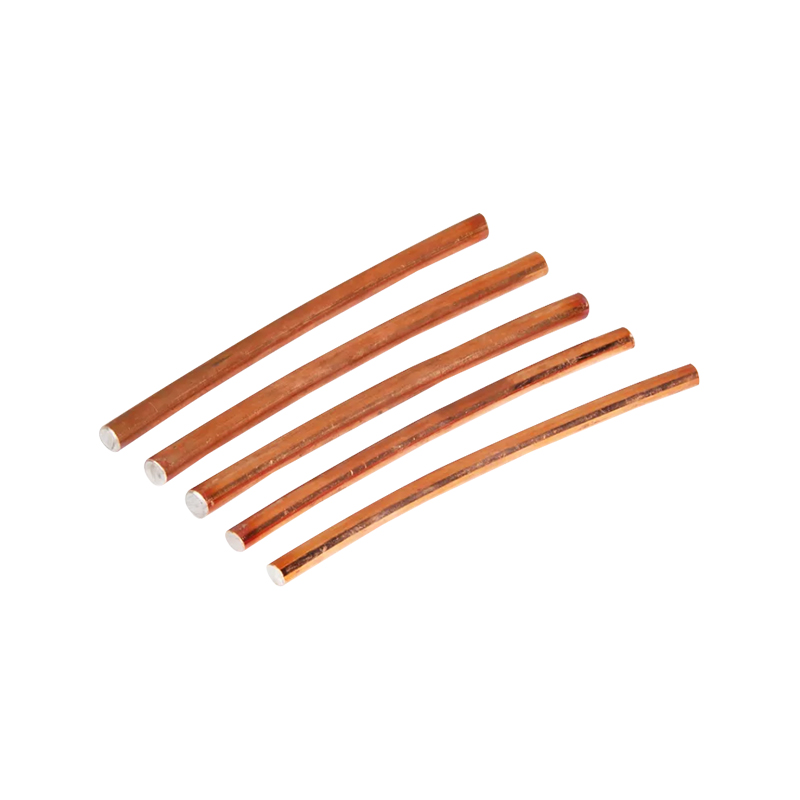
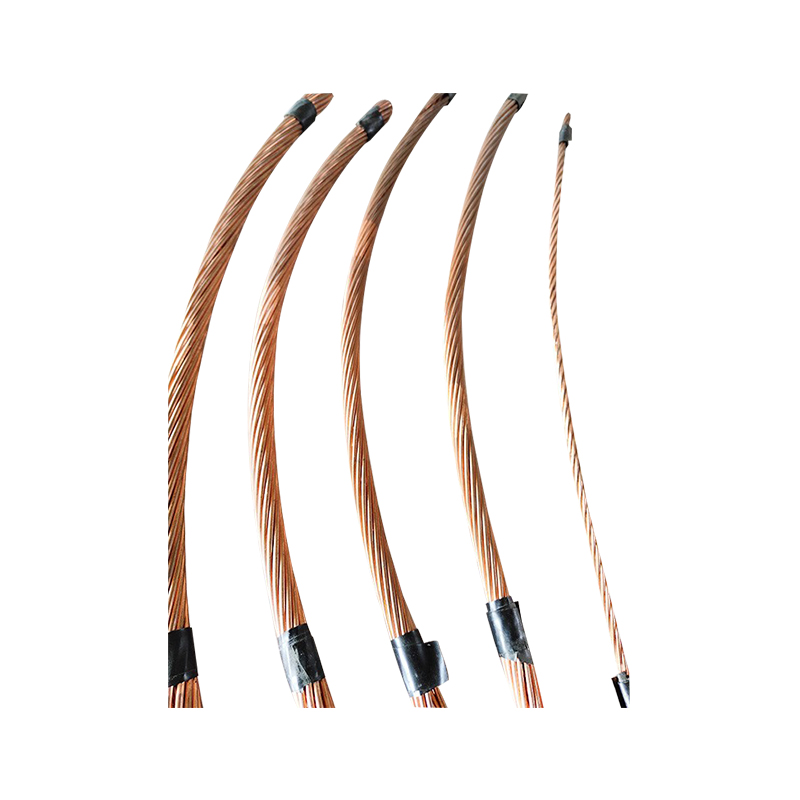 Earthing Copper Stranded Wire for Grounding and Power EquipmentHigh-purity stranded copper grounding conductor available in hard-drawn, soft-drawn, or tinned options, suited to panel and equipment grounding terminations.View Product →
For panel work, copper stranded wire sized to the breaker rating is the simplest item to specify, and it terminates predictably with standard compression lugs.
Pulling It Together at the Panel
The conductor size is only half of a reliable 100 A ground path. The other half is the termination chain. A separate ground bar in the subpanel, bonded solidly to the enclosure, with the neutral bar isolated and the bonding screw removed, is what keeps fault current on the intended path instead of through a conduit fitting. Torque every lug to the value printed on the label, because an 8 AWG copper conductor under a loose lug will arc long before the breaker notices the fault.
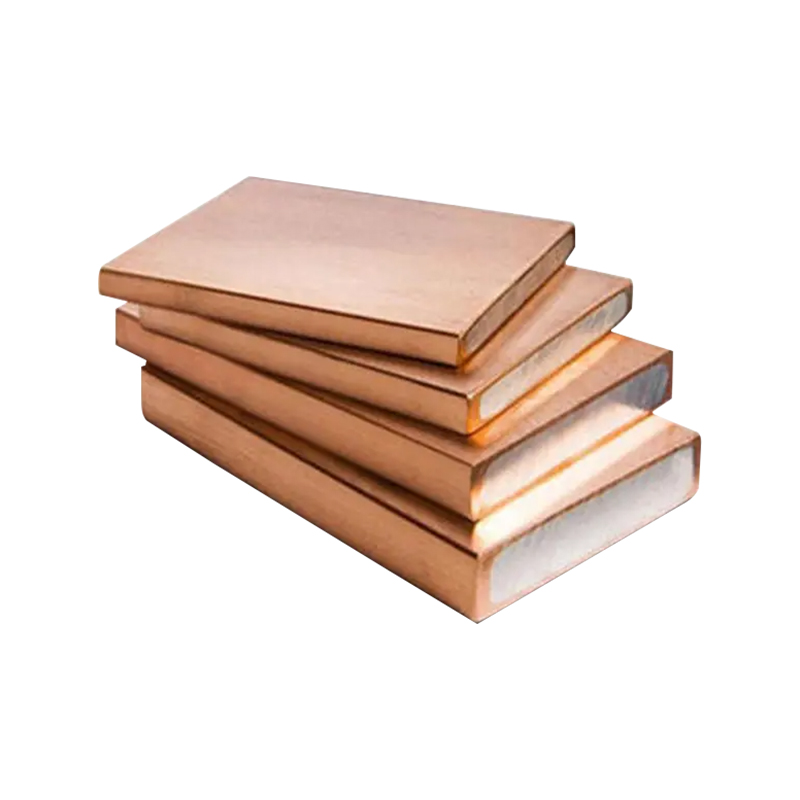
Inside the equipment, copper bar and busbar assemblies carry the same current as the wire and need the same attention to surface condition and contact pressure.
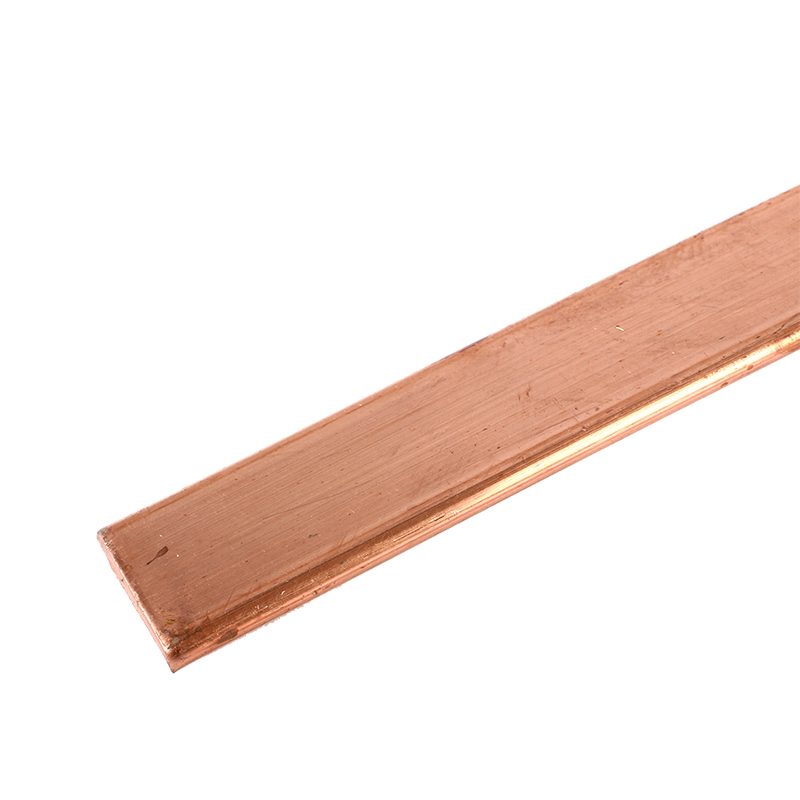 Oxygen-Free Copper Earthing Bar for Grounding and Lightning ProtectionFirst-grade oxygen-free copper bar for grounding and lightning protection, suitable for busbar, down-conductor, and high-current grounding connections.View Product →
To summarize the practical answer: a 100 amp circuit needs 8 AWG copper or 6 AWG aluminum as its equipment grounding conductor, a 100 A service typically needs 8 AWG copper as its grounding electrode conductor, and both numbers move upward the moment the circuit conductors grow. Size the ground to the protection device, verify it again after any voltage drop upsizing, and the inspection will be uneventful, which is exactly what you want from a ground wire.
 About Us
 +86-15167536268

 29, Xingmei Avenue, Xinchang, Zhejiang, China
