

 English
 简体中文
简体中文
Introduction to Lightning Rods
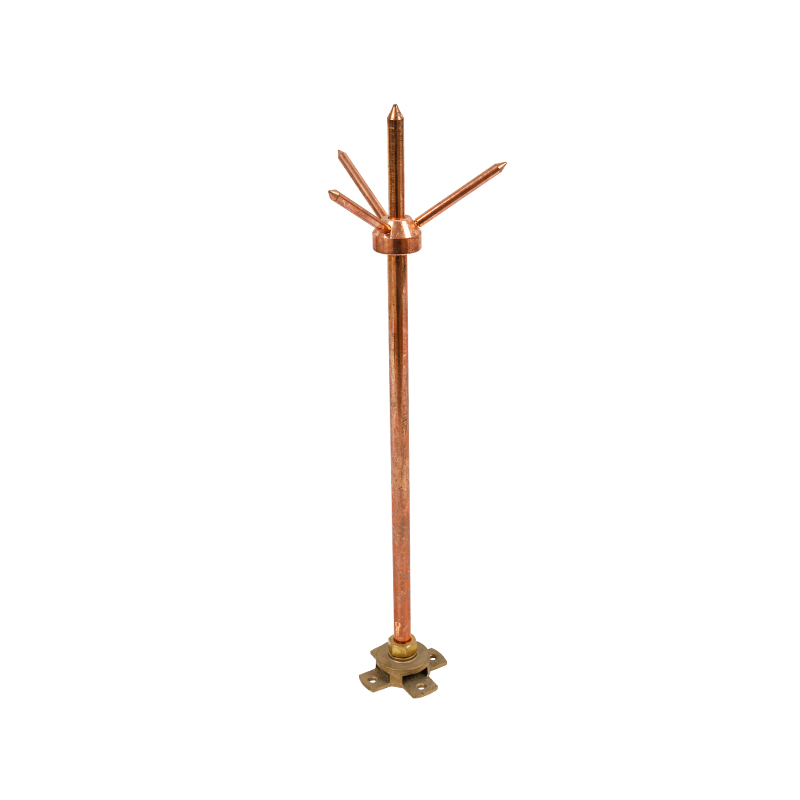
Lightning rods are devices designed to protect structures from lightning strikes by providing a safe pathway for the electrical discharge to travel to the ground. These rods are typically made of conductive materials, such as copper or aluminum, and are installed at the highest points of a building or structure. The purpose of a lightning rod is to redirect the electric charge from a lightning strike, preventing damage to the structure and reducing the risk of fire or other hazards.
Factors Affecting the Effectiveness of Lightning Rods
While lightning rods are widely considered effective at protecting buildings from lightning damage, their effectiveness can vary depending on several factors. The design and installation of the lightning rod system play a critical role in determining how well it functions. Factors such as the height of the structure, the materials used in construction, the surrounding environment, and the type of lightning protection system installed all influence the rod's ability to protect the building.
Effectiveness in Residential Buildings
For residential buildings, lightning rods are often an effective means of protection, especially for homes in areas prone to frequent thunderstorms. Homes made of wood, brick, or other traditional construction materials can benefit from having a lightning rod system in place. When properly installed, lightning rods direct the strike to the ground, minimizing the risk of fire or structural damage. However, the effectiveness of the system depends largely on the proper installation of the rod, grounding system, and maintenance.
Impact on Commercial Buildings
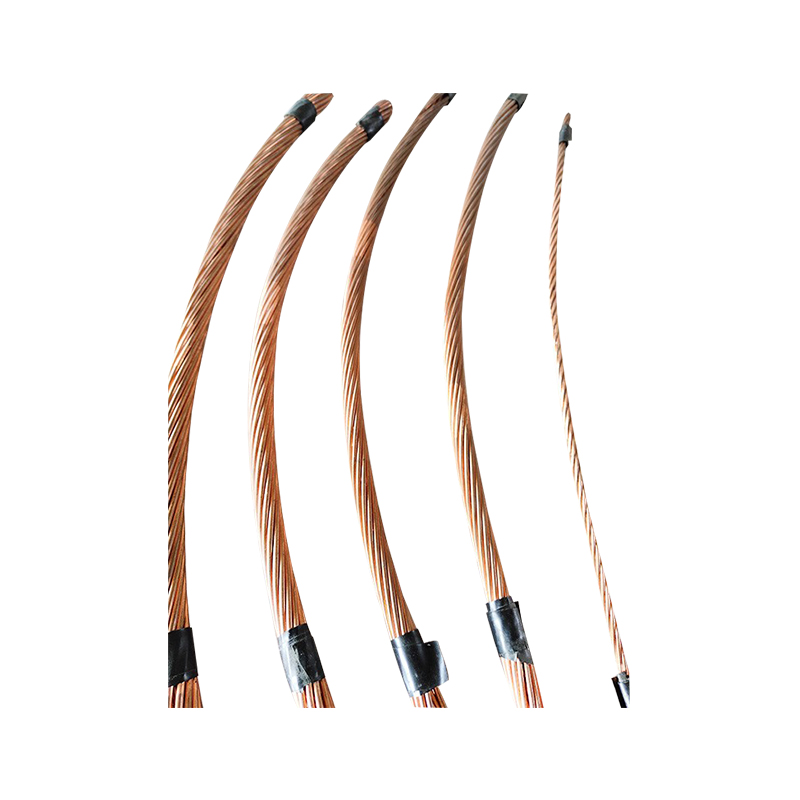
Commercial buildings, particularly tall office towers, skyscrapers, and other high-rise structures, are more vulnerable to lightning strikes due to their height. In these cases, lightning rods are particularly important as they prevent lightning from striking the building’s electrical system or causing other hazardous damage. Modern commercial buildings often incorporate lightning protection systems that include multiple rods, conductors, and ground connections. The larger and taller the structure, the more complex the lightning protection system must be to ensure effectiveness.
Effectiveness for Industrial Structures
Industrial facilities, such as manufacturing plants, warehouses, and refineries, may have specific risks when exposed to lightning strikes. Many of these buildings contain flammable materials or hazardous chemicals, which can lead to catastrophic consequences if a lightning strike occurs. Installing lightning rods and a comprehensive lightning protection system is essential for reducing these risks. However, the system needs to be tailored to the unique needs of the industrial building, considering factors such as the presence of hazardous materials and the layout of the structure.
Impact on Historic and Heritage Buildings
For historic and heritage buildings, the use of lightning rods can be a sensitive issue. Many of these buildings are protected by preservation guidelines that may restrict the installation of modern protection systems. While lightning rods are effective at preventing damage to historic structures, care must be taken to ensure that the rods are installed in a way that does not detract from the building’s appearance or historical value. In some cases, discreet systems or alternative lightning protection measures, such as internal grounding, may be used to minimize visual impact while still offering protection.
Use of Lightning Rods in Agricultural Structures
Agricultural structures, such as barns, silos, and storage facilities, are often located in open fields, making them more susceptible to lightning strikes. Because these structures are typically constructed from materials that may be prone to fire or other damage from a lightning strike, installing lightning rods is highly recommended. In rural areas, where thunderstorms are common, lightning protection can prevent significant losses in equipment and livestock. Ensuring proper grounding of the lightning rod system is vital to its success in agricultural buildings.
Challenges with Effectiveness in Certain Environments
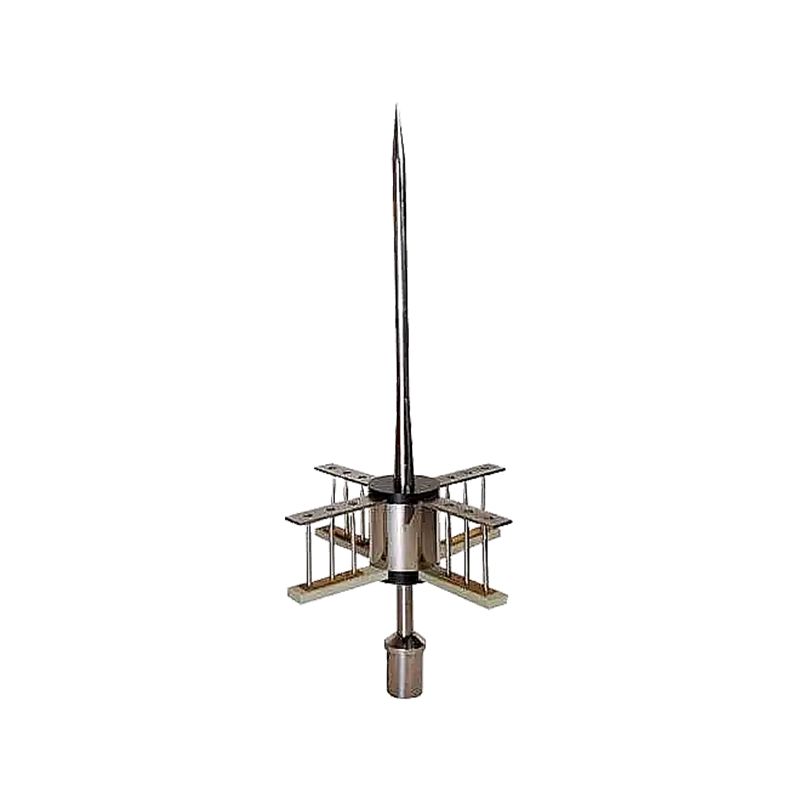
While lightning rods are effective in many situations, there are challenges when it comes to certain environments. For example, in regions where lightning strikes are particularly frequent or intense, the effectiveness of a standard lightning rod system may be limited. In such areas, more advanced systems, such as early streamer emission (ESE) lightning rods, may be required to enhance protection. Additionally, the presence of nearby structures, such as trees or taller buildings, can influence the effectiveness of a lightning rod. Proper site assessment is crucial to ensure the lightning rod system will function optimally.
Importance of Proper Installation and Maintenance
In conclusion, lightning rods are effective at providing protection against lightning strikes for many types of buildings and structures. However, the level of protection they offer depends on factors such as the height and construction of the building, the environment in which it is located, and the design and installation of the lightning protection system. While lightning rods are an essential safety feature for residential, commercial, and industrial buildings, it is important to regularly inspect and maintain these systems to ensure they continue to function effectively. Tailoring the lightning protection system to the specific needs of the building and its surroundings is key to maximizing its protective capabilities.
 About Us
 +86-15167536268
 29, Xingmei Avenue, Xinchang, Zhejiang, China