

 English
 简体中文
简体中文
Understanding the Purpose of Grounding Rods
Grounding rods serve as fundamental components in electrical safety systems, helping redirect electrical faults, lightning surges, or abnormal current into the earth. Their primary purpose is to stabilize voltage levels and protect equipment, buildings, and personnel by ensuring that unexpected electrical energy flows away from sensitive structures. Choosing the appropriate grounding rod requires understanding how grounding functions within different electrical systems, such as residential, commercial, and industrial environments. Each setting presents specific grounding demands influenced by equipment loads, installation conditions, and safety standards. By gaining clarity on the purpose of grounding rods, it becomes easier to evaluate how materials, dimensions, soil properties, and installation methods influence overall performance.
Grounding rods are also essential for minimizing electrical noise in sensitive equipment environments, including communication networks, industrial automation systems, and data centers. These facilities often require consistent grounding to maintain stable operations. Therefore, the grounding system must be designed based on the electrical environment, expected fault current, and long-term durability requirements. The grounding rod ultimately serves as the interface between the electrical system and the earth itself, making its suitability directly related to operational safety.
Evaluating Material Options for Grounding Rods
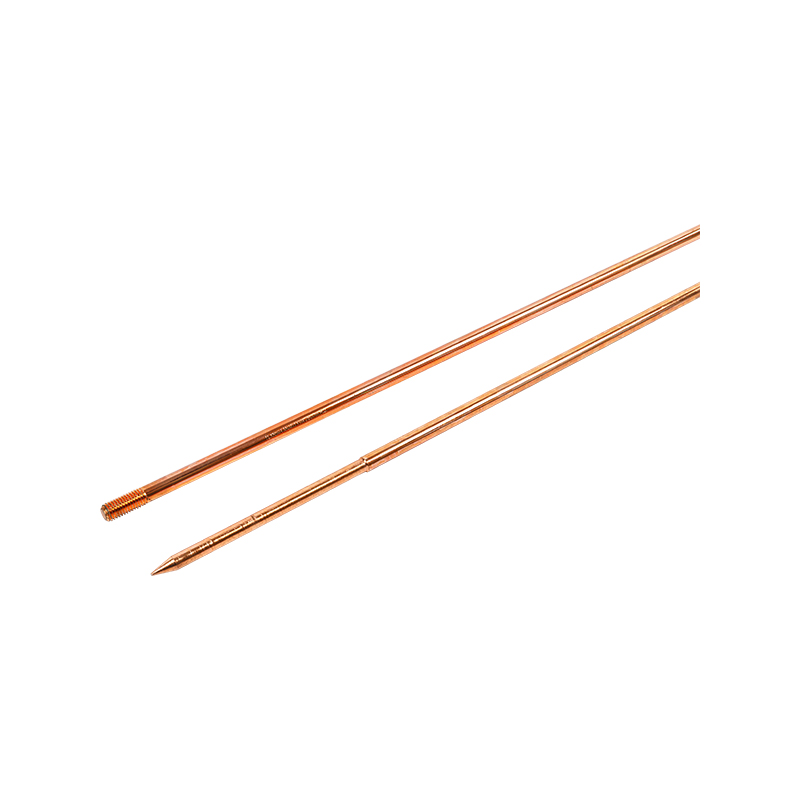
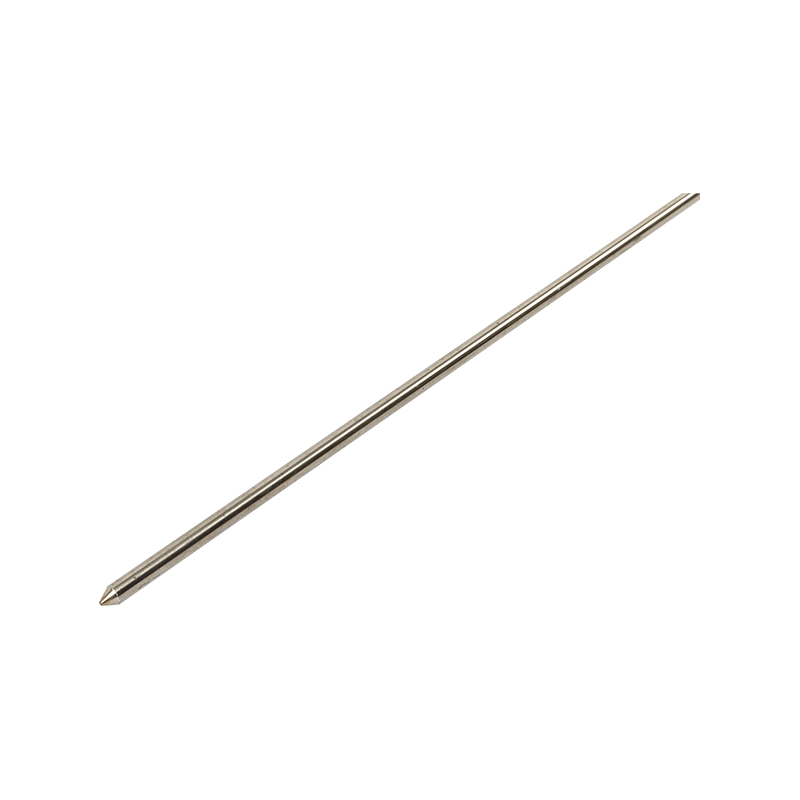
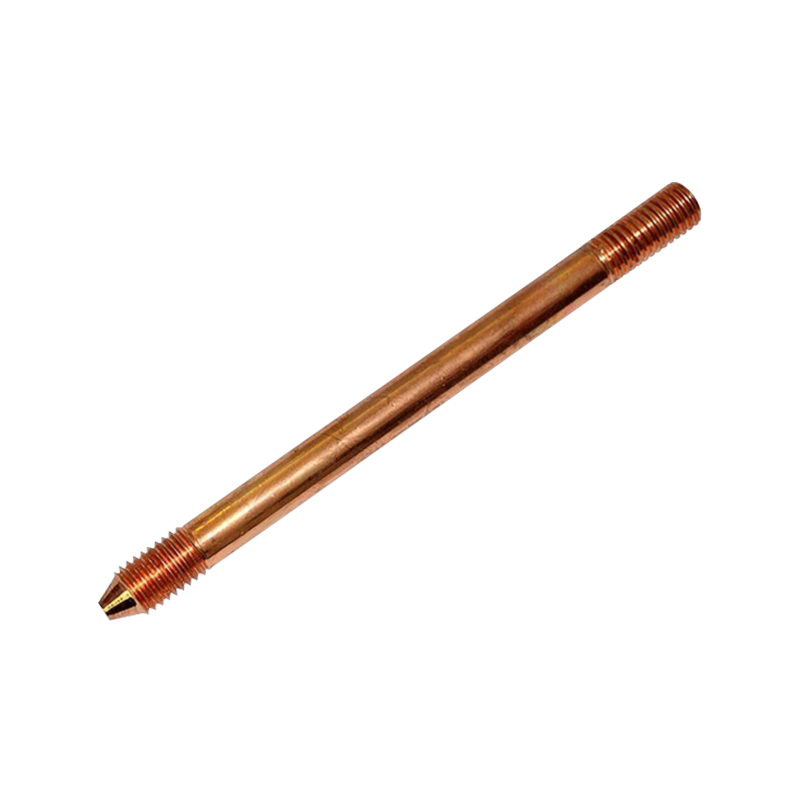
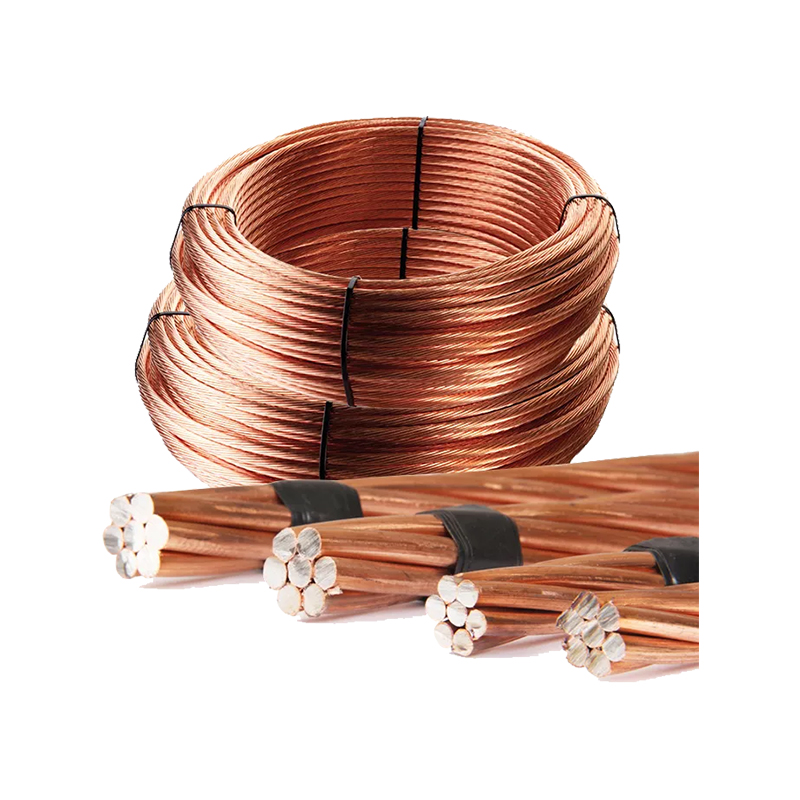
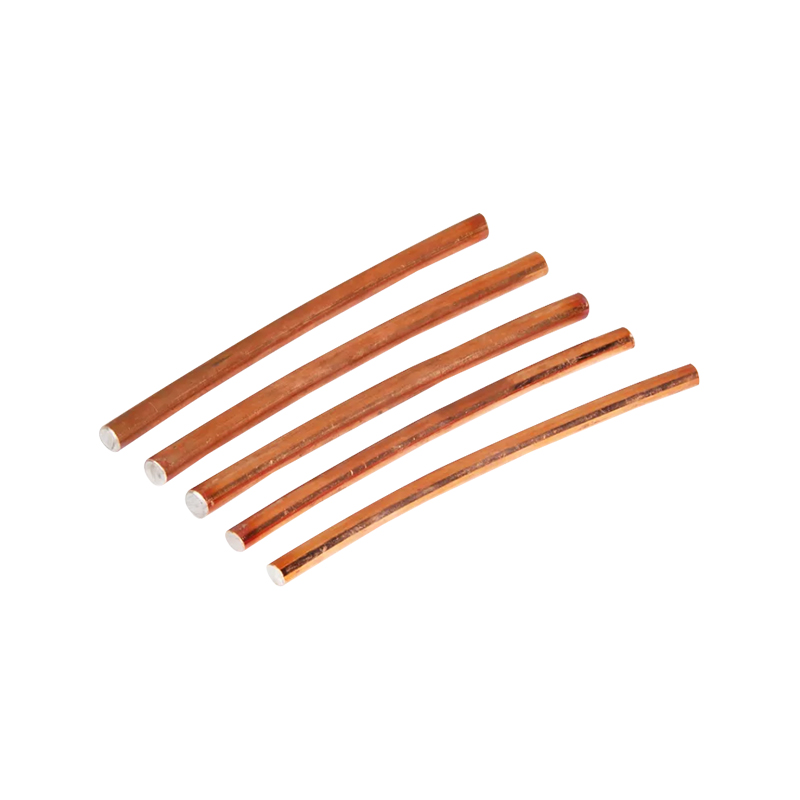
Grounding rod materials influence conductivity, corrosion resistance, lifespan, and cost. The most commonly used types include copper-bonded steel, galvanized steel, stainless steel, and solid copper rods. Copper-bonded steel rods are widely selected because they balance strength, conductivity, and corrosion resistance. The copper layer helps protect the steel core while maintaining stable performance under various soil conditions. Galvanized steel rods are more economical but may not provide consistent corrosion protection in environments with high soil moisture or acidity. Stainless steel rods offer greater resistance to corrosion in challenging environments but may come at a higher cost.
When selecting materials, users must consider soil composition and environmental factors, including moisture levels, pH value, and mineral content. For environments exposed to chemical contaminants, copper-bonded or stainless steel rods may offer better performance. Solid copper rods can be used in high-demand grounding systems but are generally more expensive. Understanding material characteristics helps ensure that the selected grounding rod can deliver reliable performance over long periods of operation. Additionally, compatibility with grounding accessories, such as connectors and clamps, should be considered to avoid galvanic corrosion.
| Material Type | Key Characteristics | Suitable Conditions |
|---|---|---|
| Copper-Bonded Steel | Good conductivity, corrosion resistance | General use, mixed soil environments |
| Galvanized Steel | Cost-effective, moderate resistance | Dry soil or temporary installations |
| Stainless Steel | Strong corrosion resistance | Highly corrosive or wet soil |
| Solid Copper | High conductivity, durable | Specialized or high-performance grounding systems |
Assessing Soil Conditions for Grounding Efficiency
Soil conditions directly influence grounding performance because electrical current dissipates through the surrounding earth. One of the key factors is soil resistivity, which varies with moisture content, temperature, composition, and compaction. Lower-resistivity soil conditions enable easier dissipation of electrical energy, while high-resistivity environments require additional grounding rods or enhanced installation techniques. Clay, loam, and mineral-rich soil typically offer lower resistivity, whereas sand, gravel, and rocky terrain create greater resistance and challenge grounding performance. Proper site evaluation helps determine whether a single rod can meet grounding requirements or whether a multi-rod grounding system is necessary.
In environments with high resistivity, installers may need to place rods deeper into the ground to reach moisture-rich soil layers. Moisture levels influence conductivity because water provides a conductive path through dissolved minerals. Seasonal changes also impact resistivity; therefore, grounding rods should be placed where long-term moisture retention is most reliable. The installation layout, depth, and spacing also affect resistance. When soil resistivity cannot be reduced naturally, chemical enhancement or specialized grounding compounds may be considered to improve conductivity. Selecting appropriate rods requires understanding how soil interacts with the grounding system to achieve stable electrical performance.
| Soil Type | Resistivity | Grounding Consideration |
|---|---|---|
| Clay | Low | Good performance with standard rods |
| Loam | Moderate to low | Stable grounding performance |
| Sand or Gravel | High | May require deeper or multiple rods |
| Rocky Terrain | Very high | Alternative grounding methods may be necessary |
Determining the Required Rod Length and Diameter
Grounding rod dimensions influence the rod’s ability to dissipate electrical current effectively. Longer rods provide lower resistance because they reach deeper into the earth where soil moisture content tends to be higher. The most common grounding rod lengths include 6 feet, 8 feet, and 10 feet, with 8 feet being a standard requirement in many electrical codes. However, installations in high-resistivity soil may require longer or additional rods to meet grounding specifications. Diameter also plays a role; thicker rods offer increased durability and often longer service life, especially in corrosive environments.
When selecting rod dimensions, it is important to consider both electrical performance requirements and physical installation conditions. For example, locations with shallow bedrock may limit rod depth, requiring horizontal grounding or a multi-rod design. Meanwhile, environments with soft soil may accommodate deeper installations that help lower grounding resistance. The goal is to maintain consistent electrical conductivity between the grounding rod and surrounding soil. Electrical system requirements, such as grounding conductor size and anticipated fault current, also influence the rod’s dimensions. Understanding installation constraints and performance needs ensures appropriate sizing decisions.
| Rod Length | Typical Use | Performance Notes |
|---|---|---|
| 6 ft | Restricted installation areas | Higher resistance, may require multiple rods |
| 8 ft | General grounding applications | Standard performance for many systems |
| 10 ft | High-resistivity soil | Improved grounding performance |
Considering Environmental and Corrosion Factors
Environmental conditions influence how grounding rods perform over time. Exposure to moisture, chemicals, and temperature fluctuations can cause corrosion, reducing conductivity and structural strength. Selecting rods with strong corrosion resistance helps ensure that the grounding system remains effective throughout its service life. Areas with high moisture content, industrial pollution, or saline environments require rods made from materials that can withstand these challenges. Copper-bonded steel and stainless steel rods offer better corrosion resistance compared to galvanized steel, which may degrade more quickly in harsh environments.
Users should also consider long-term soil chemistry changes, such as increased acidity from agricultural runoff or nearby industrial activity. These factors may accelerate rod deterioration and impact grounding efficiency. Regular testing and inspection help identify corrosion early, allowing timely replacement before electrical safety is compromised. Proper installation techniques and ground enhancement materials may further extend rod lifespan by creating a more stable environment around the grounding system. Understanding environmental influences ensures that grounding rod selection aligns with long-term requirements and operational safety.
Matching Grounding Rods with System Requirements
Electrical systems vary in their grounding requirements depending on load characteristics, fault current capability, and safety standards. Choosing the correct grounding rod involves evaluating whether the grounding system must dissipate occasional lightning surges, continuous electrical noise, or high fault currents. Industrial facilities with heavy machinery may require a grounding system that supports higher current dissipation compared to residential systems. In such cases, grounding rods must be selected to meet the necessary performance standards and installation requirements. System grounding design may also include additional components such as ground plates, mesh networks, or multiple rods connected in parallel.
Compatibility with grounding conductors and related components must also be reviewed. Ground clamps, bonding conductors, and connectors must match the rod material to avoid galvanic reactions. Electrical codes and industry regulations provide guidelines for grounding system design, including minimum rod size and installation depth. Following these standards helps ensure safe operation and regulatory compliance. Understanding system requirements supports the selection of grounding rods that perform reliably under expected electrical loads.
Reviewing Cost, Installation, and Maintenance Considerations
Cost and installation factors influence the selection of grounding rods, particularly when large-scale grounding systems are required. While galvanized steel rods may offer a lower initial cost, their shorter lifespan in certain soil conditions may lead to higher long-term expenses. Copper-bonded and stainless steel rods, though more expensive upfront, may provide better value due to longer service life and reduced maintenance frequency. Installation complexity also varies with rod length, soil type, and site accessibility. Hard or rocky soil may require specialized tools, increasing installation time and labor costs.
Maintenance is an ongoing aspect of grounding systems, requiring periodic testing to verify that resistance levels remain within acceptable ranges. If soil conditions change or grounding performance decreases, additional rods or system adjustments may be necessary. A well-designed grounding system balances initial cost, installation efficiency, and long-term reliability. Evaluating each of these factors helps determine which grounding rod type will provide stable performance for the specific installation.
 About Us
 +86-15167536268
 29, Xingmei Avenue, Xinchang, Zhejiang, China