

 English
 简体中文
简体中文
As a supplier of Low C Type Copper Cable Clamps, I've been frequently asked about the suitability of these products in low - temperature environments. This blog post aims to delve into this topic comprehensively, providing you with scientific insights and practical considerations.
Understanding Low C Type Copper Cable Clamps
Low C Type Copper Cable Clamps are renowned for their excellent electrical conductivity and mechanical strength. Made from high - quality copper, they are designed to securely hold cables in place, ensuring reliable electrical connections. The C - type design allows for easy installation and a firm grip on the cables, minimizing the risk of loose connections that could lead to electrical failures.
Characteristics of Copper in Low - Temperature Environments
Copper is a metal with unique physical properties that make it a popular choice for electrical applications. In general, copper's electrical conductivity actually improves slightly as the temperature decreases. This is because, at lower temperatures, the thermal vibrations of copper atoms are reduced. These vibrations can impede the flow of electrons, so when they are lessened, the electrons can move more freely through the copper, resulting in a lower electrical resistance.
However, when it comes to mechanical properties, copper does experience some changes in low - temperature environments. As the temperature drops, copper becomes more brittle. This brittleness can increase the risk of cracking or breaking under stress, especially if the clamp is subjected to sudden impacts or excessive bending.
Impact on Low C Type Copper Cable Clamps in Low - Temperature Environments
Electrical Performance
In terms of electrical performance, Low C Type Copper Cable Clamps can maintain good conductivity in low - temperature environments. The improved conductivity due to lower temperatures can be an advantage in some applications where minimizing electrical losses is crucial. For example, in outdoor electrical systems in cold regions, such as in the Arctic or high - altitude areas, the slightly enhanced conductivity of the copper clamps can contribute to more efficient power transmission.
Mechanical Performance
The mechanical performance of the clamps is more of a concern in low - temperature settings. The increased brittleness of copper can make the clamps more vulnerable to damage during installation or operation. If the installation process involves bending or tightening the clamps with excessive force, there is a higher risk of cracks forming. Additionally, in environments where the clamps may be exposed to vibrations or mechanical shocks, the brittle copper may be more likely to break.
Mitigating Risks in Low - Temperature Environments
To ensure the reliable performance of Low C Type Copper Cable Clamps in low - temperature environments, several measures can be taken.
Proper Installation
During installation, it is essential to follow the manufacturer's guidelines carefully. Avoid applying excessive force when tightening the clamps, as this can cause stress on the brittle copper. Using the appropriate tools and techniques can help prevent damage. For example, using torque - controlled wrenches can ensure that the clamps are tightened to the correct specifications without over - stressing the material.
Insulation and Protection
Providing adequate insulation and protection for the clamps can also help reduce the impact of low temperatures. Insulating materials can help maintain a more stable temperature around the clamps, reducing the risk of extreme cold - induced brittleness. Additionally, protective covers can shield the clamps from physical impacts and environmental factors such as snow and ice.
Material Selection and Design Improvements
Some manufacturers may consider using copper alloys or improving the design of the clamps to enhance their performance in low - temperature environments. Copper alloys can have different mechanical properties compared to pure copper, potentially reducing brittleness at low temperatures. Design improvements, such as adding reinforcement features or optimizing the shape of the clamp, can also increase its resistance to mechanical stress.
Comparing with Other Products
When considering cable clamps for low - temperature environments, it's worth comparing Low C Type Copper Cable Clamps with other products in the market. For instance, the Brass U Type Earth Rod Clamp is another option. Brass has different properties compared to copper. While brass is also a good conductor, its electrical conductivity is generally lower than that of copper. However, brass may have better corrosion resistance in some environments and may be less brittle at low temperatures in certain compositions.
Another product is the CCT C Type Copper Cable Clamp. These clamps are similar in design but may have specific features or material qualities that make them more suitable for different applications. Understanding the differences between these products can help you make an informed decision based on your specific requirements.
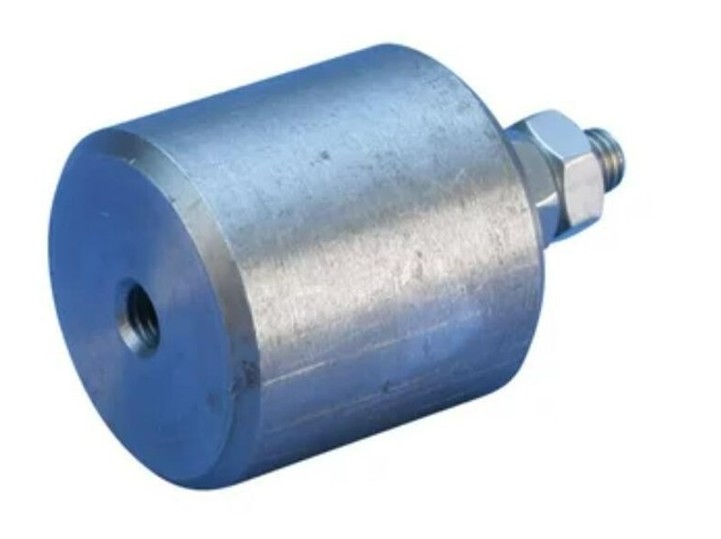
The Distributor Earth Boss For Grounding Project is also a relevant product in the grounding system. It serves a different purpose compared to cable clamps but is often used in conjunction with them. When planning a grounding project in a low - temperature environment, considering the compatibility and performance of all the components, including cable clamps, is essential.
Conclusion
In conclusion, Low C Type Copper Cable Clamps can be suitable for low - temperature environments, but careful consideration and proper precautions are necessary. Their electrical performance can be advantageous due to the improved conductivity at lower temperatures. However, the increased brittleness of copper at low temperatures poses a risk to their mechanical integrity. By following proper installation procedures, providing insulation and protection, and considering material and design improvements, the reliability of these clamps in low - temperature settings can be significantly enhanced.
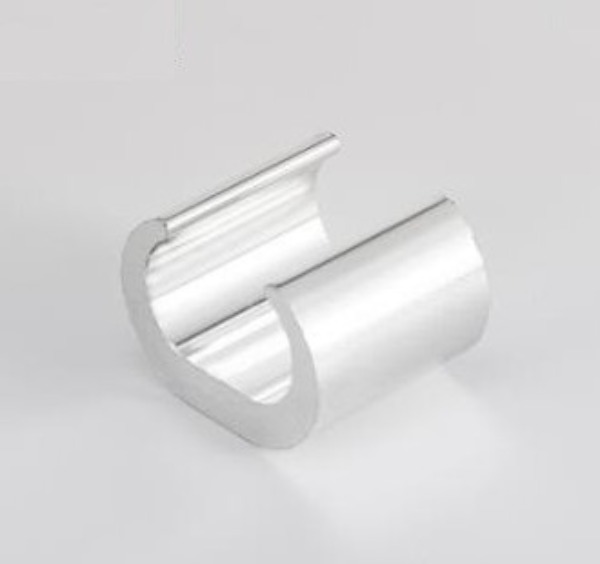
If you are interested in our Low C Type Copper Cable Clamps or have any questions regarding their suitability for your specific low - temperature application, we encourage you to contact us for further discussion. Our team of experts is ready to assist you in making the right choice for your electrical and grounding projects.
References
- "Electrical Conductivity of Metals at Low Temperatures" - Journal of Applied Physics
- "Mechanical Properties of Copper Alloys in Cold Environments" - Metallurgical and Materials Transactions A
- Manufacturer's guidelines for Low C Type Copper Cable Clamps
 About Us
 +86-15167536268
 29, Xingmei Avenue, Xinchang, Zhejiang, China