

 English
 简体中文
简体中文
Basic Role of Lightning Rods in Protection Systems
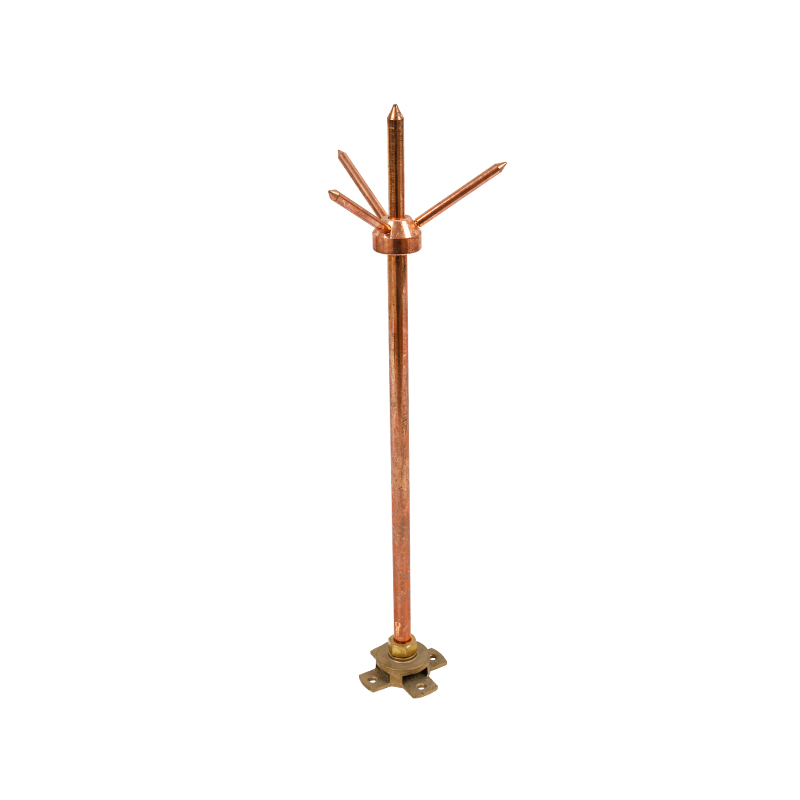
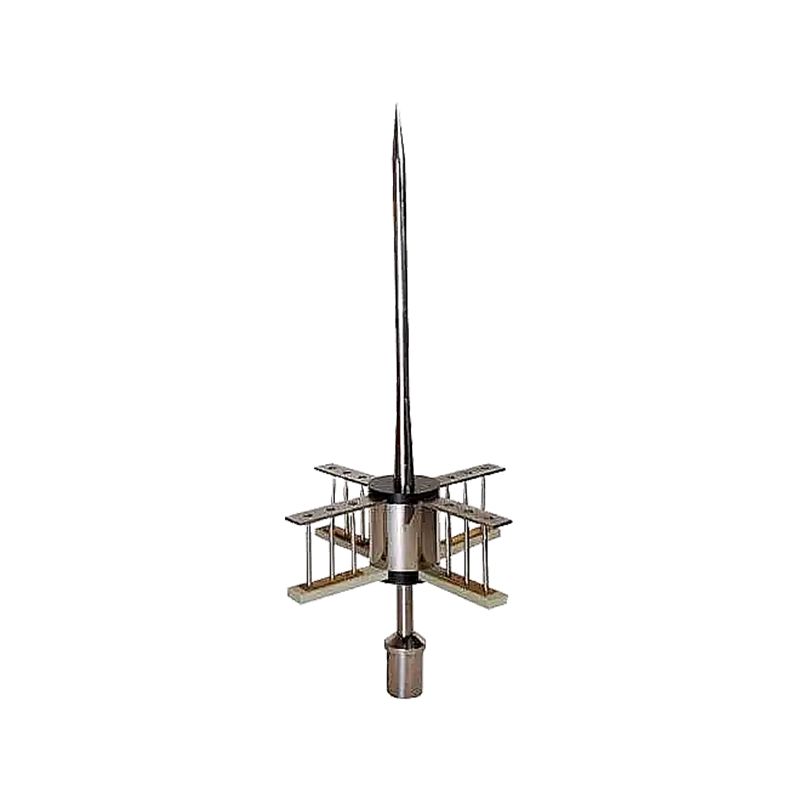
Lightning rods are installed to intercept lightning strikes and guide the electrical energy safely toward the ground. Their function is not to stop lightning from occurring, but to provide a controlled path with lower electrical impedance compared to surrounding structures. By capturing the strike at a designated point and directing it downward, lightning rods help reduce the risk of structural damage, fire, and electrical hazards. The effectiveness of this process depends not only on the rod itself but also on the grounding system connected to it.
Relationship Between Lightning Rods and Grounding Systems
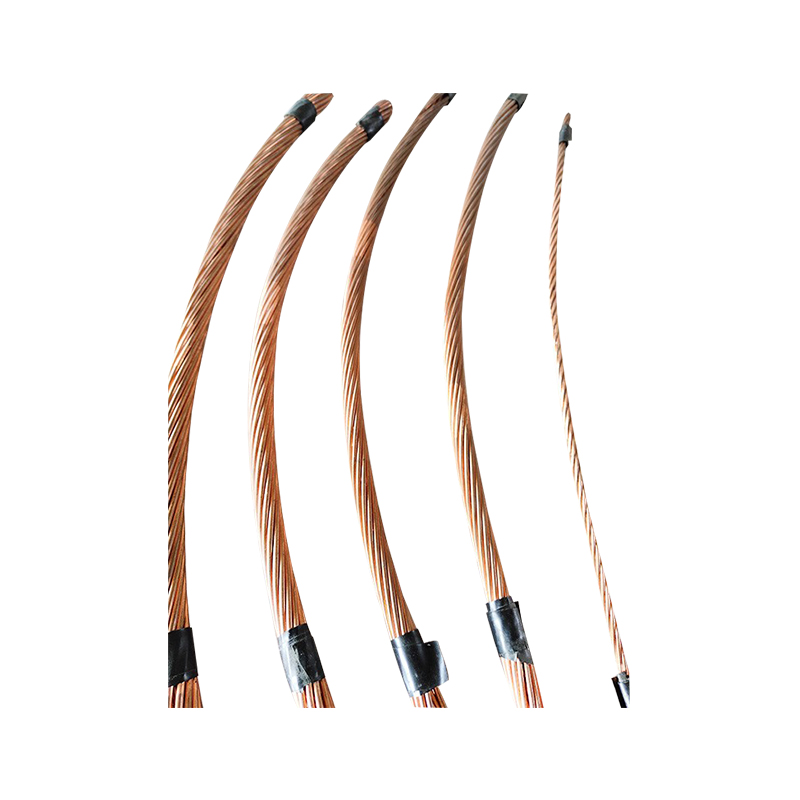
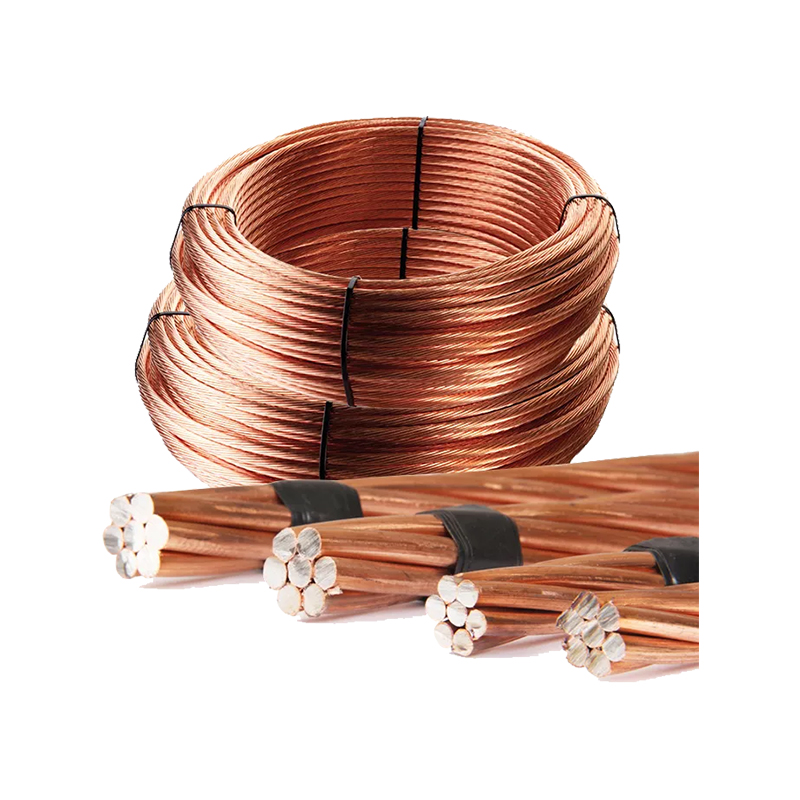
A lightning rod cannot function independently without a grounding system. The rod serves as the air termination point, while grounding rods and conductors form the path that carries the lightning current into the earth. If the grounding system has high resistance, the lightning energy may not dissipate efficiently, potentially causing side flashes or voltage rise in nearby conductive parts. This close relationship explains why the question of additional grounding rods or resistance-reducing materials is often raised in lightning protection design.
Why Ground Resistance Matters in Lightning Protection
Ground resistance determines how easily electrical energy can flow from the lightning rod into the soil. Lightning strikes involve very high current levels over extremely short durations, which require a grounding system capable of handling sudden energy transfer. Lower ground resistance allows the current to spread rapidly through the earth, reducing localized heating and voltage gradients. If resistance is too high, energy dissipation becomes less predictable, increasing risks to structures and connected systems.
Use of Additional Grounding Rods for Resistance Control
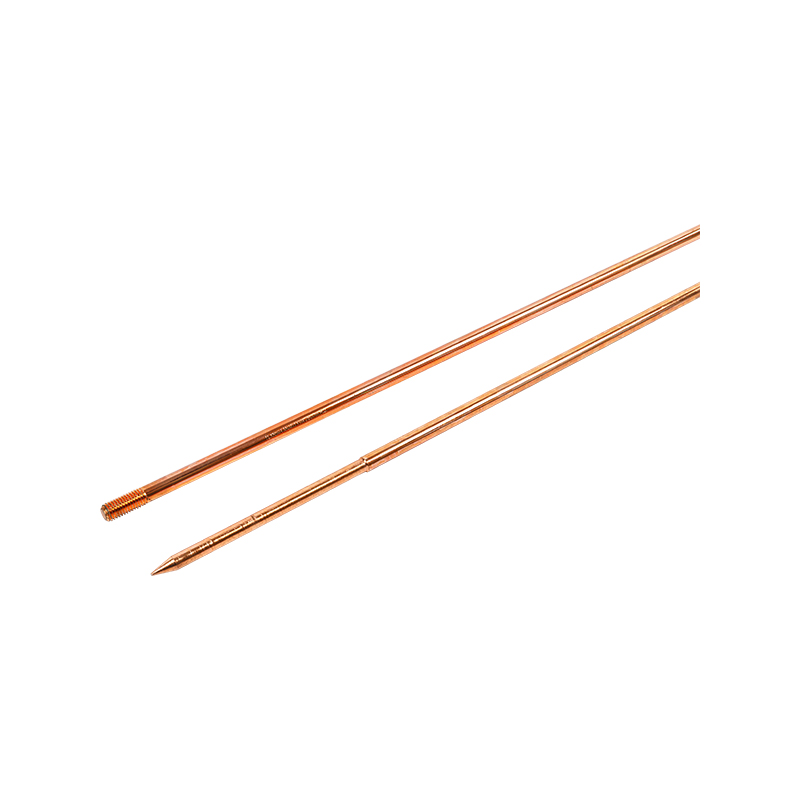
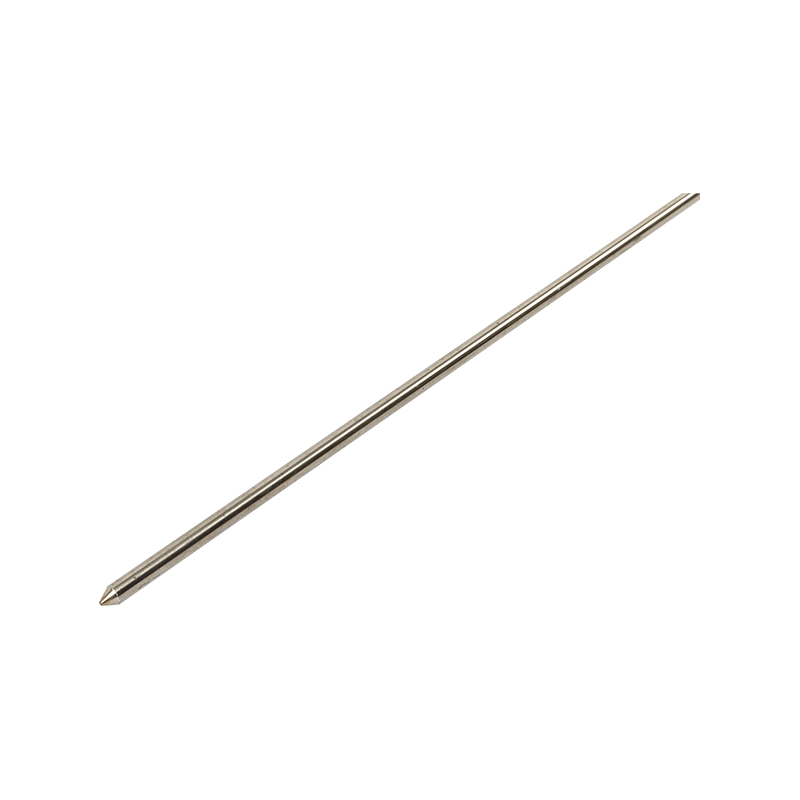
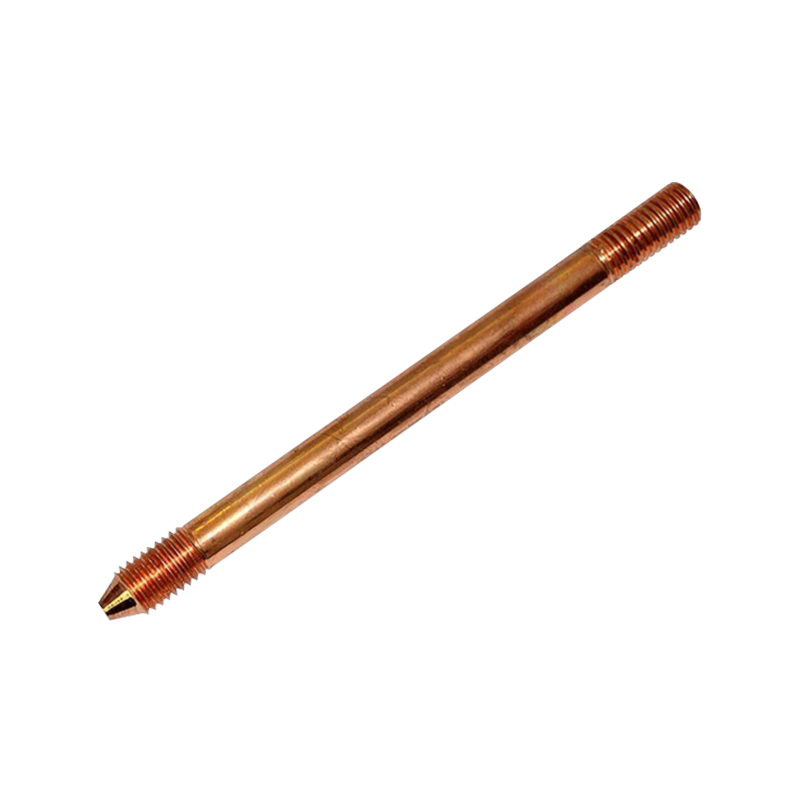
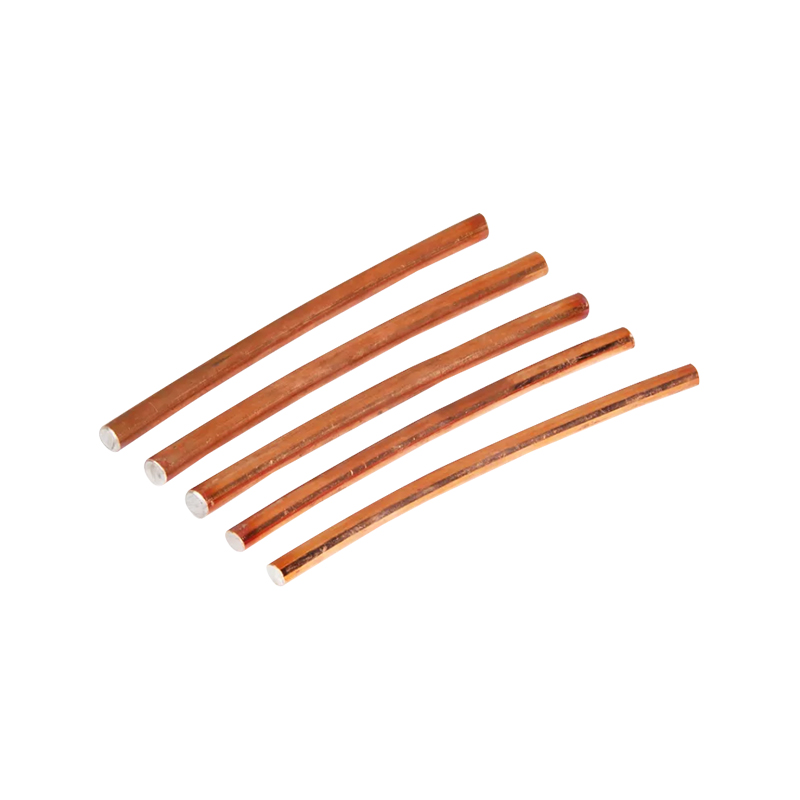
In many installations, a single grounding rod may not provide sufficiently low resistance, especially in soils with high resistivity such as dry sand or rocky terrain. Adding multiple grounding rods connected in parallel is a common method to reduce overall ground resistance. Each additional rod expands the contact area between the grounding system and the soil, allowing lightning current to disperse over a wider volume of earth. Proper spacing between rods ensures that their resistance fields do not overlap excessively, maintaining effective performance.
| Grounding Approach | Typical Ground Resistance Trend | Common Application |
|---|---|---|
| Single grounding rod | Higher and soil-dependent | Small structures in conductive soil |
| Multiple rods in parallel | Lower combined resistance | Residential and commercial buildings |
| Rod network or grid | More stable low resistance | Industrial or exposed sites |
Depth of Grounding Rods and Soil Layers
The depth at which grounding rods are installed has a direct influence on resistance levels. Deeper soil layers often have more consistent moisture content and lower resistivity compared to surface layers. By extending grounding rods deeper into the earth, the lightning protection system can access these more conductive zones. In regions with seasonal dryness or freezing conditions, deeper installation helps maintain stable grounding performance throughout the year.
Role of Resistance-Reducing Materials Around Grounding Rods
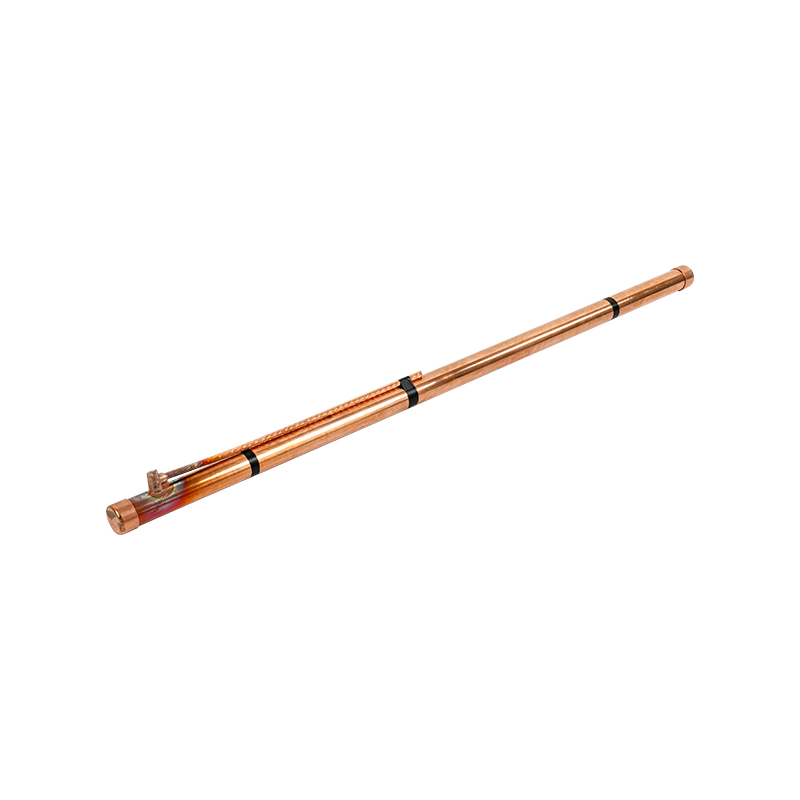
Resistance-reducing materials are sometimes used when natural soil conditions are not conducive to low-resistance grounding. These materials, which may include conductive backfills or mineral-based compounds, are placed around grounding rods to improve electrical contact with the surrounding earth. By enhancing the conductivity of the soil immediately adjacent to the rod, these materials help lower overall ground resistance and support more reliable lightning current dissipation.
Comparison Between Natural Soil Improvement and Artificial Enhancement
Natural soil improvement relies on selecting suitable installation locations, increasing rod depth, or adding more grounding rods. Artificial enhancement through resistance-reducing materials offers an alternative when these methods alone are insufficient. While soil treatments can provide more predictable resistance values, they also require careful selection to ensure long-term stability and environmental compatibility. Both approaches are often combined in practical lightning protection designs.
| Method | Main Advantage | Consideration |
|---|---|---|
| Additional grounding rods | Simple and durable solution | Requires sufficient space |
| Deeper rod installation | Access to lower-resistivity soil | Installation difficulty |
| Resistance-reducing materials | Improves poor soil conditions | Material longevity |
Impact of Soil Type on the Need for Additional Measures
Soil composition plays a major role in determining whether extra grounding rods or resistance-reducing materials are necessary. Clay-rich soils with stable moisture levels tend to have lower resistivity, often allowing standard grounding arrangements to meet requirements. In contrast, sandy, gravelly, or rocky soils present higher resistivity, making it more challenging to achieve acceptable ground resistance without supplemental measures. In such environments, additional rods or soil treatments are commonly applied.
Lightning Current Distribution and Safety Considerations
When lightning current enters the ground, it spreads outward from the grounding point. Lower resistance systems allow the current to distribute more evenly, reducing step and touch voltage hazards near the structure. Additional grounding rods help spread the current over a larger area, which can lower surface voltage gradients. Resistance-reducing materials further support this process by promoting uniform current flow into the soil.
Integration with Building Grounding and Bonding Systems
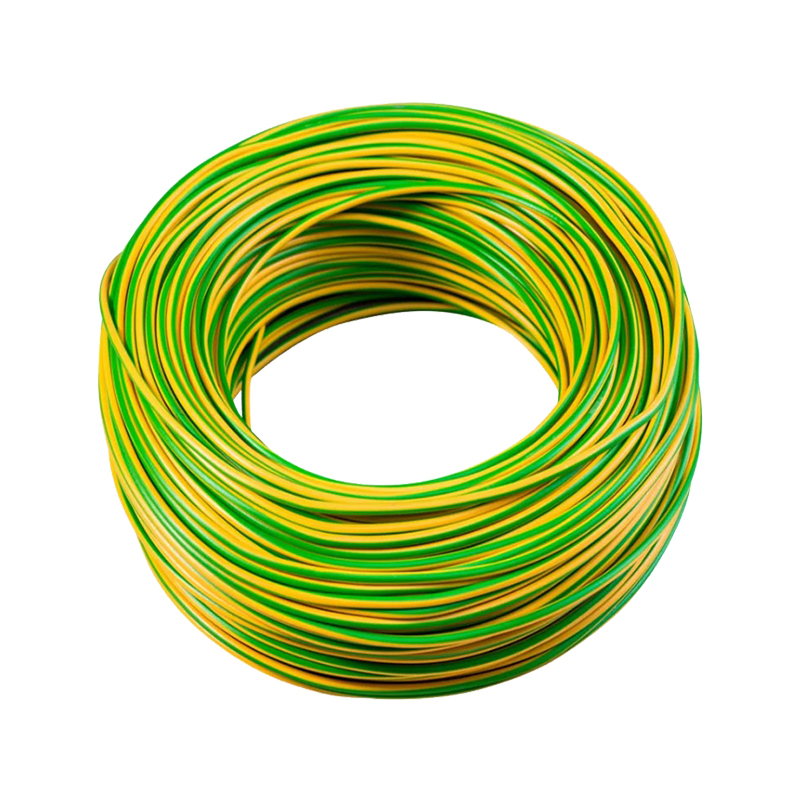
Lightning protection grounding systems are often interconnected with building electrical grounding and bonding networks. This integration helps equalize potential differences during a lightning event, reducing the likelihood of internal arcing or equipment damage. When the combined grounding system has higher resistance, additional grounding rods or soil treatments may be used to maintain acceptable performance for both lightning protection and electrical safety.
Environmental and Longevity Factors of Resistance-Reducing Materials
The long-term effectiveness of resistance-reducing materials depends on their stability in the soil environment. Some materials maintain consistent conductivity over time, while others may degrade, leach, or change properties due to moisture fluctuations and chemical interactions. Selecting materials with predictable aging behavior is important to ensure that the lightning protection system continues to perform as intended without frequent maintenance.
Maintenance and Inspection Implications
Systems that rely solely on additional grounding rods generally require minimal maintenance, as solid metal rods have long service lives when properly protected against corrosion. Systems that include resistance-reducing materials may require periodic inspection to verify that soil conditions and material integrity remain suitable. Understanding these maintenance implications helps designers choose an approach that balances performance and long-term practicality.
Regulatory and Standard-Based Guidance
Many electrical and lightning protection standards specify target ground resistance values or recommended grounding practices. These guidelines often acknowledge that achieving such values may require multiple grounding rods or soil enhancement techniques, depending on local conditions. Compliance with recognized standards provides a structured framework for deciding when additional grounding measures are necessary.
Economic Considerations in Grounding Design
Cost is another factor influencing the choice between additional grounding rods and resistance-reducing materials. Installing more rods may involve increased labor and material expenses, particularly in hard ground. Resistance-reducing materials can sometimes lower installation effort but may introduce material costs and future maintenance considerations. Evaluating total lifecycle cost rather than initial expense alone leads to more balanced grounding design decisions.
Overall Assessment of Additional Grounding Requirements
Lightning rods often require more than a basic grounding connection to function effectively under real-world conditions. Additional grounding rods and resistance-reducing materials are tools used to manage ground resistance and support safe energy dissipation. The necessity of these measures depends on soil characteristics, structural exposure, safety expectations, and regulatory requirements. By carefully assessing these factors, lightning protection systems can be designed to provide reliable performance without unnecessary complexity.
 About Us
 +86-15167536268
 29, Xingmei Avenue, Xinchang, Zhejiang, China