

 English
 简体中文
简体中文
Fundamental Purpose of Grounding Rods in Electrical Systems
Grounding rods are essential components in electrical grounding systems because they provide a direct and controlled path for electrical current to dissipate into the earth. Their primary function is to reduce ground resistance so that fault currents, lightning surges, or static electricity can be safely discharged without causing damage to equipment or posing risks to human safety. By establishing a stable electrical reference point, grounding rods help maintain voltage balance within an electrical system and support consistent system operation under normal and abnormal conditions.
Electrical Conductivity of Soil and Its Role in Ground Resistance
The effectiveness of grounding rods is closely related to the electrical conductivity of the surrounding soil. Soil conductivity depends on factors such as moisture content, mineral composition, temperature, and density. Grounding rods reduce ground resistance by extending conductive material into soil layers that typically have lower resistivity than surface soil. When properly installed, rods reach depths where moisture levels are more stable, allowing electrical current to disperse over a wider area and encounter less resistance during flow.
Material Selection and Its Influence on Grounding Performance
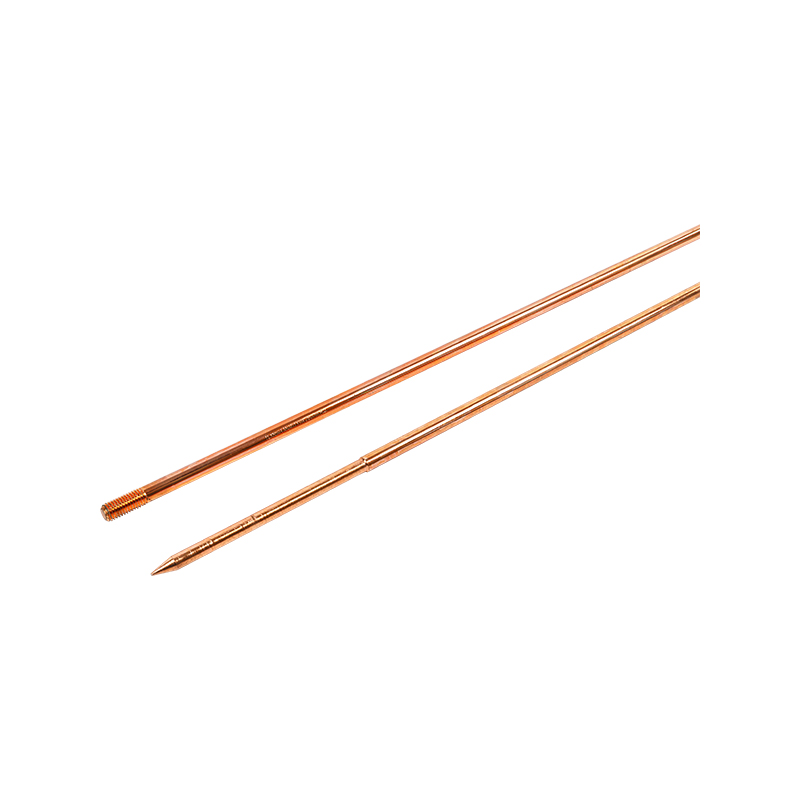
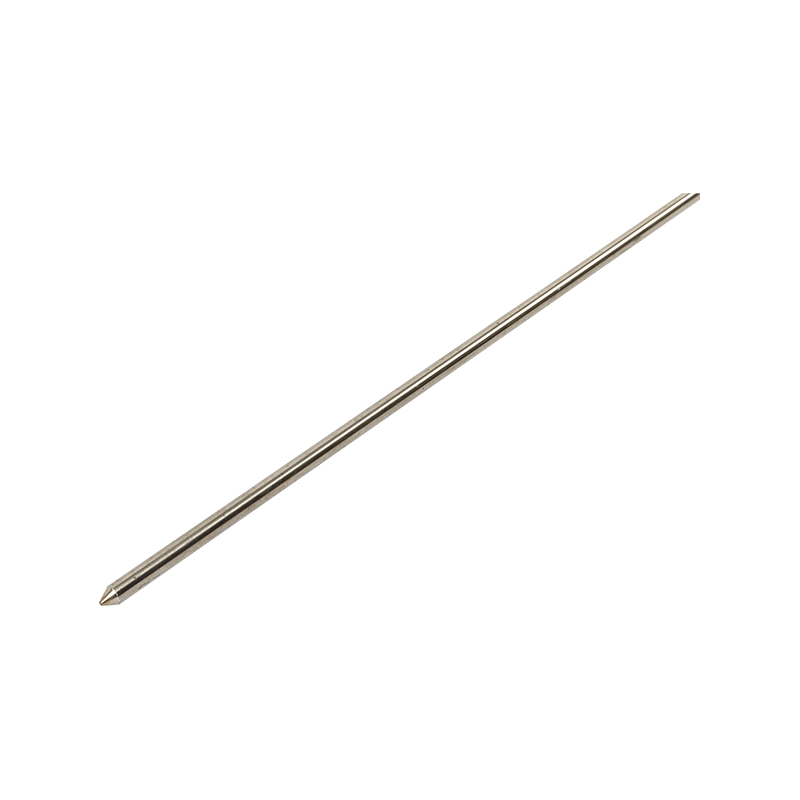
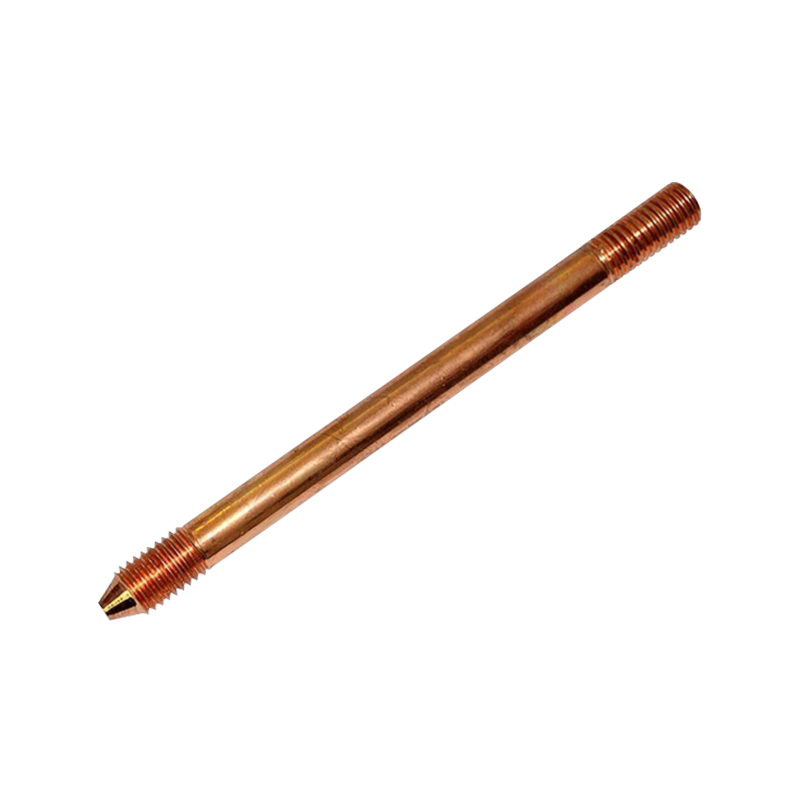
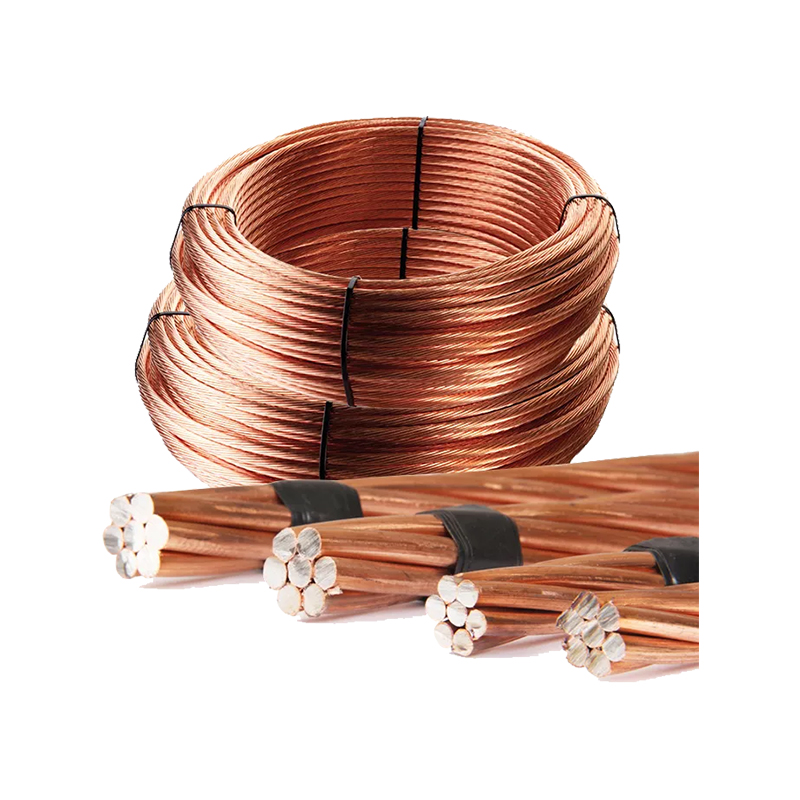
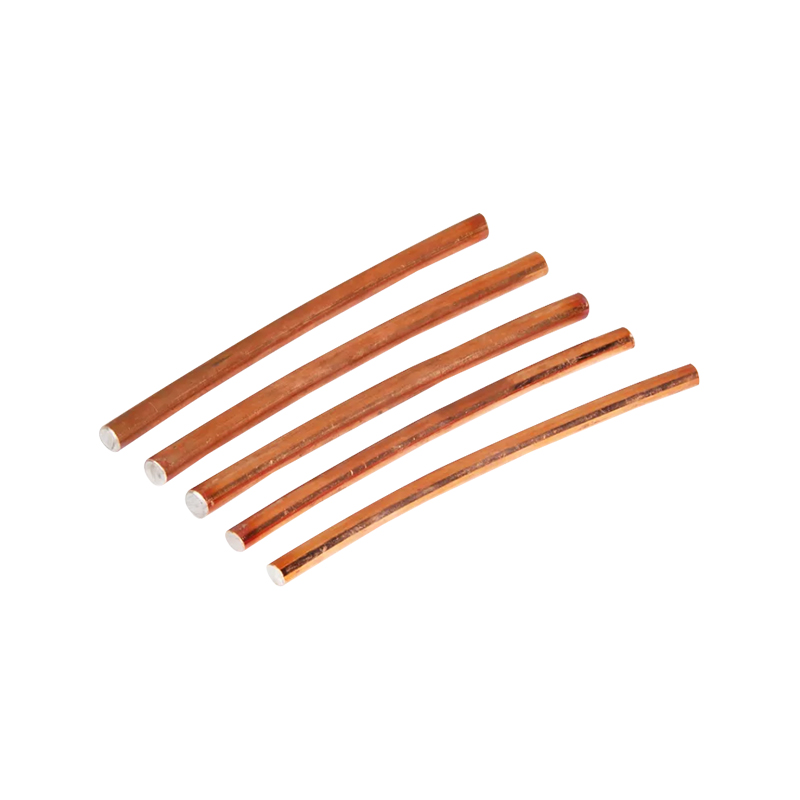
Grounding rods are commonly manufactured from materials such as copper, copper-bonded steel, or galvanized steel. These materials are selected for their electrical conductivity and resistance to corrosion. Copper and copper-bonded rods allow electrical current to flow efficiently from the grounding system into the soil, while corrosion resistance ensures that the rod maintains stable performance over long periods. Material integrity directly affects contact resistance between the rod and the earth, which in turn influences overall grounding efficiency.
Depth of Installation and Contact Area Expansion
One of the primary ways grounding rods reduce ground resistance is by increasing the contact area between the grounding system and the soil. Deeper installation allows the rod to reach soil layers with lower resistivity and higher moisture content. As the rod penetrates deeper strata, the effective surface area in contact with conductive soil increases, enabling electrical current to spread radially and dissipate more evenly. This depth-related effect is a key factor in achieving stable and predictable grounding results.
Multiple Rod Configurations and Resistance Reduction
In many installations, a single grounding rod may not be sufficient to achieve the desired resistance level. Using multiple rods connected in parallel can further reduce ground resistance. When rods are spaced appropriately, their individual resistance fields overlap less, allowing each rod to contribute effectively to current dissipation. This configuration lowers the overall resistance of the grounding system and enhances its ability to manage higher fault currents.
| Grounding Configuration | Typical Resistance Impact | Application Scenario |
|---|---|---|
| Single grounding rod | Moderate reduction depending on soil | Small residential or low-load systems |
| Two rods in parallel | Lower combined resistance | Commercial installations |
| Rod array or grid | More stable low resistance | Industrial or utility systems |
Role of Moisture and Seasonal Stability
Grounding rods improve grounding efficiency by maintaining contact with soil zones that retain moisture throughout seasonal changes. Moist soil has lower electrical resistance compared to dry soil. By extending below frost lines and surface dry zones, grounding rods ensure that the grounding system remains effective even during dry or cold periods. This stability helps maintain consistent grounding performance throughout the year without frequent adjustments.
Reduction of Step and Touch Voltage Risks
Lower ground resistance achieved through grounding rods contributes to reduced step and touch voltages around electrical installations. When fault currents are efficiently dispersed into the earth, voltage gradients on the ground surface become less steep. This reduction minimizes the risk of electric shock to people who may be standing or working near grounded equipment, thereby improving overall safety conditions.
Impact on Lightning and Surge Protection Systems
Grounding rods play an important role in lightning and surge protection by providing a low-resistance path for high-energy transient currents. When lightning strikes or switching surges occur, grounding rods help channel these currents directly into the earth, limiting the amount of energy that enters sensitive equipment. Reduced ground resistance ensures that surge currents are dissipated quickly, which helps prevent insulation breakdown and component damage.
Interaction Between Grounding Rods and Soil Treatment
In areas with high soil resistivity, grounding efficiency can be enhanced through soil treatment techniques used in conjunction with grounding rods. Conductive backfill materials, such as bentonite or conductive concrete, are sometimes applied around the rod to improve soil conductivity. These treatments expand the effective conductive zone around the rod, further reducing resistance and supporting long-term grounding stability.
| Soil Condition | Typical Resistivity Trend | Grounding Rod Effect |
|---|---|---|
| Moist clay soil | Lower resistivity | High grounding efficiency |
| Sandy or rocky soil | Higher resistivity | Requires deeper or multiple rods |
| Treated soil with additives | Reduced resistivity | More stable long-term performance |
Electrical Path Continuity and System Reliability
Grounding rods contribute to improved grounding efficiency by ensuring continuous electrical paths from equipment to earth. Secure mechanical connections between the rod, grounding conductor, and system grounding point reduce contact resistance and prevent energy losses. Reliable continuity supports consistent grounding behavior under normal operation as well as during fault conditions, reducing the likelihood of unexpected voltage rises.
Long-Term Performance and Corrosion Considerations
The ability of grounding rods to maintain low resistance over time depends on their resistance to corrosion and environmental degradation. Corrosion can reduce the effective diameter of a rod, decreasing contact area and increasing resistance. Proper material selection and installation practices help preserve the rod’s conductive properties, allowing it to continue reducing ground resistance and supporting grounding efficiency throughout its service life.
Compliance with Electrical Standards and Codes
Grounding rods are widely specified in electrical standards and codes because of their proven role in reducing ground resistance. Compliance with these guidelines ensures that rods are installed at appropriate depths, spacing, and configurations to achieve predictable grounding results. Standardized practices also promote consistency in grounding efficiency across different installations and environments.
Overall Contribution to Electrical Safety and System Stability
By reducing ground resistance and improving grounding efficiency, grounding rods support the safe operation of electrical systems in residential, commercial, and industrial settings. Their interaction with soil properties, material characteristics, and installation methods allows fault and surge currents to be managed in a controlled manner. This combination of factors makes grounding rods a foundational element in achieving electrical safety, equipment protection, and long-term system stability.
 About Us
 +86-15167536268
 29, Xingmei Avenue, Xinchang, Zhejiang, China