

 English
 简体中文
简体中文
Introduction to Grounding Inspection Pits
Grounding inspection pits are essential components in electrical systems, particularly in buildings and industrial setups. These pits provide a safe and accessible location for inspecting and maintaining the grounding system, which plays a critical role in ensuring the safety and proper functioning of electrical installations. The primary purpose of grounding is to provide a path for electrical currents to flow safely into the earth in the event of a fault or short circuit. Regular maintenance and inspection of grounding systems, including the grounding inspection pits, are necessary to ensure the system remains effective and safe.
The Importance of Grounding in Electrical Systems
Grounding is a safety measure that helps protect both people and equipment from electrical hazards. By providing a low-resistance path for fault currents to flow to the earth, grounding reduces the risk of electric shock and prevents damage to electrical devices. Grounding inspection pits are specifically designed to facilitate the regular inspection and maintenance of grounding electrodes, connections, and other critical components of the grounding system. These pits must be properly maintained to ensure that the entire grounding system remains reliable and functional over time.
Regular Inspection of the Grounding Inspection Pit
The most fundamental aspect of maintaining a grounding inspection pit is regular inspection. These inspections are essential for identifying potential issues before they escalate into more significant problems. Inspections should be conducted periodically, typically on a semi-annual or annual basis, depending on the environment and usage of the system. The key areas to inspect include the physical condition of the pit, the connections inside the pit, and the condition of the surrounding area.
During the inspection, the first task is to check for any visible signs of damage to the pit itself. This includes looking for cracks, corrosion, or other forms of wear that may have compromised the pit’s structure. The lid of the pit should be in good condition, properly sealed, and easy to open. If the lid is damaged or difficult to remove, it may be necessary to replace it to ensure easy access for future inspections.
Next, the connections within the pit should be checked. These connections are typically made between the grounding electrode, the conductor, and the grounding system. Over time, these connections may loosen, corrode, or deteriorate due to environmental factors such as moisture, temperature fluctuations, or exposure to chemicals. Regular inspection of the connections ensures that they remain secure and intact, preventing poor conductivity that could compromise the grounding system’s effectiveness.
Cleaning the Grounding Inspection Pit
Another important maintenance task for grounding inspection pits is cleaning. Dirt, debris, moisture, and corrosion can accumulate inside the pit, potentially obstructing access to critical components or affecting the performance of the grounding system. Cleaning the pit regularly ensures that the connections and electrodes remain visible and accessible for inspection and maintenance.
The process of cleaning the inspection pit typically involves removing any debris, dirt, or rust buildup from the pit’s walls and the area surrounding the connections. The lid should also be checked for dirt and cleared of any buildup that might interfere with opening or closing the pit. If there are any signs of corrosion on the metal components inside the pit, they should be cleaned with an appropriate solution or tool to restore their condition.
In some cases, the presence of moisture inside the pit may also lead to corrosion or rust formation. To address this, it is important to ensure that the inspection pit remains dry. If necessary, drainage solutions should be implemented to prevent water accumulation in the pit. Ensuring proper ventilation within the pit can also help to minimize moisture buildup, especially in environments where high humidity is a concern.
Ensuring Accessibility and Safety
For a grounding inspection pit to be effective, it must be easily accessible for maintenance personnel. Accessibility is an important aspect of maintaining the pit and ensuring that inspections can be carried out efficiently. Regular checks should be made to ensure that the area surrounding the pit is clear of obstructions and that there are no hazards preventing safe access to the pit. This includes checking for overgrown vegetation, debris, or any other physical barriers that may impede the ability to open or close the pit lid.
Safety is another critical factor to consider when maintaining grounding inspection pits. Since these pits house components that are part of an electrical system, there is always a risk of electrical shock during inspections or maintenance. To mitigate this risk, the pit should be properly labeled with warning signs indicating the presence of electrical equipment. Additionally, the pit lid should be designed to securely enclose the electrical connections, preventing accidental contact with live components.
When performing maintenance or inspections on the grounding system, workers should always follow safety protocols, including the use of personal protective equipment (PPE), such as insulated gloves and safety goggles. Furthermore, it is important to ensure that the grounding system is de-energized or isolated before carrying out any work inside the inspection pit.
Monitoring the Grounding Resistance
One of the most critical aspects of maintaining a grounding system is monitoring its resistance. Grounding resistance is a measure of how effectively the system can direct fault currents into the earth. If the resistance of the grounding system is too high, the system will not be able to perform its intended function of safely dissipating electrical faults. Therefore, it is essential to regularly measure the resistance of the grounding system to ensure it is within acceptable limits.
Resistance measurements are typically performed using a ground resistance tester, which can measure the resistance of the grounding electrode and connections. If the resistance is found to be higher than the recommended value, corrective action should be taken. This may involve improving the connection between the grounding electrode and the ground, adding additional electrodes, or addressing issues such as corrosion or loose connections.
Regular monitoring of grounding resistance helps to detect potential issues early, allowing for prompt corrective measures to be taken before a failure occurs. This also helps to ensure compliance with local regulations or industry standards, which may have specific requirements for grounding resistance in certain applications.
Replacing Worn or Damaged Components
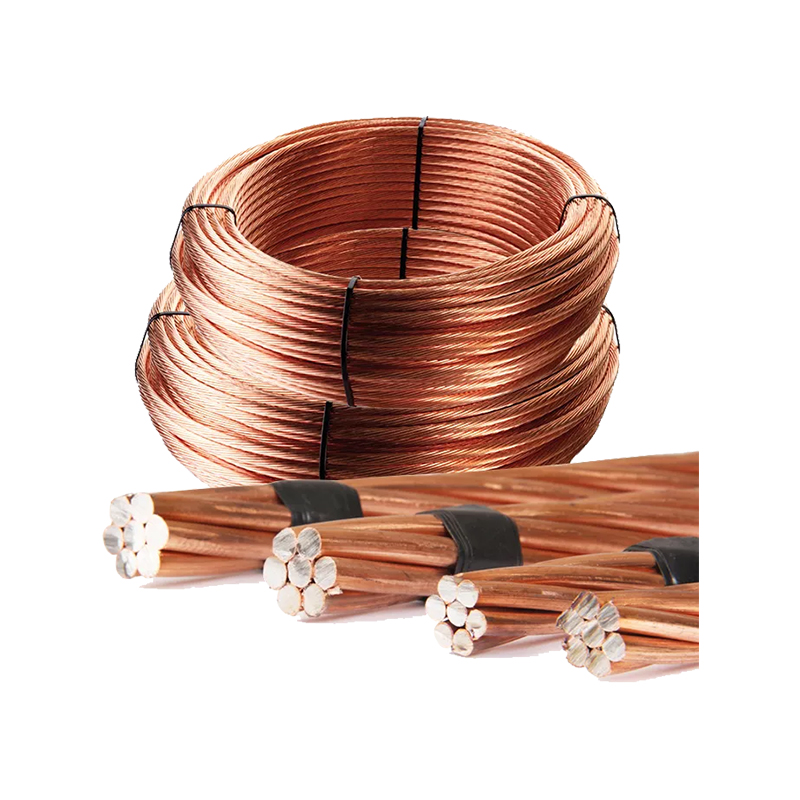
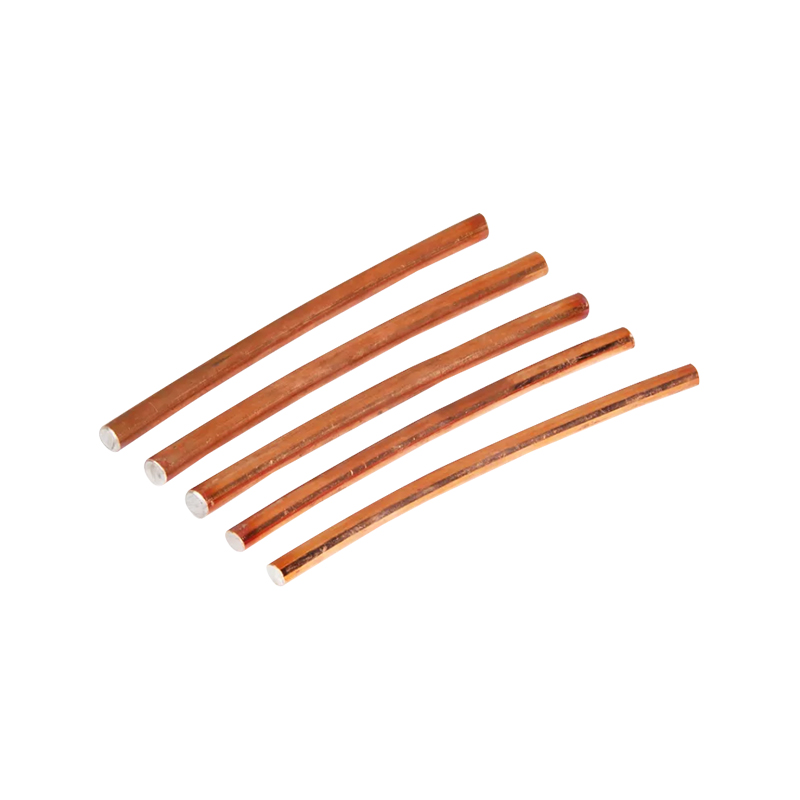
Like any other system, the components of a grounding system can wear out over time. During routine inspections, it is important to check for any worn or damaged components that may need to be replaced. Common components that may require replacement include the grounding electrode, conductor, and the connections within the pit. If the electrode shows signs of corrosion, pitting, or physical damage, it should be replaced to ensure the grounding system remains effective.
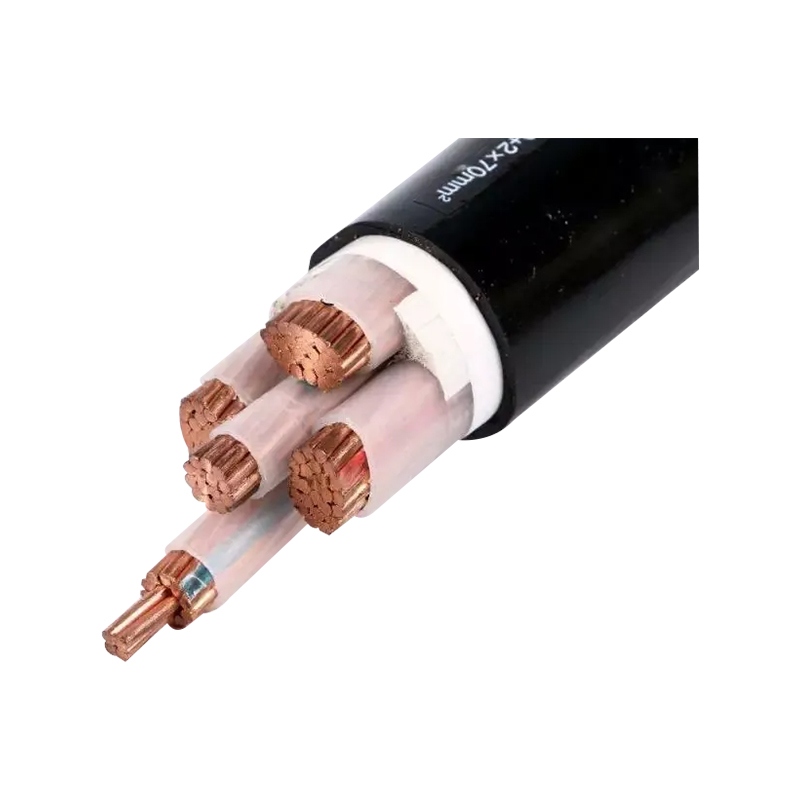
Similarly, the conductor connecting the grounding electrode to the electrical system may deteriorate over time due to exposure to harsh environmental conditions. If the conductor becomes damaged or corroded, it should be replaced to prevent a loss of conductivity. Any loose or corroded connections inside the pit should also be addressed to ensure a secure and effective electrical path to ground.
Sealing and Weatherproofing the Grounding Pit
One of the key factors that can affect the longevity and effectiveness of a grounding inspection pit is exposure to weather conditions. Water, moisture, and extreme temperature fluctuations can lead to corrosion of the grounding components, as well as affect the overall structural integrity of the pit. Therefore, it is essential to ensure that the inspection pit is adequately sealed and weatherproofed to prevent moisture from entering and causing damage.
Sealing the pit involves ensuring that the lid fits securely and does not allow water to seep into the pit. In some cases, additional weatherproofing materials, such as rubber seals or gaskets, can be applied around the edges of the lid to further prevent water ingress. It is also important to check that any drainage systems are functioning properly, directing water away from the pit to prevent accumulation inside.
Weatherproofing measures are especially important in areas where the grounding pit is exposed to harsh environmental conditions, such as heavy rainfall, freezing temperatures, or corrosive chemicals. Implementing proper sealing and weatherproofing practices can significantly extend the life of the inspection pit and its components.
Documenting Maintenance and Inspections
Proper documentation is an essential part of maintaining grounding inspection pits. Keeping detailed records of all inspections, maintenance activities, and any replacements or repairs helps to track the condition of the grounding system over time. This documentation can be valuable for identifying recurring issues, scheduling future maintenance tasks, and ensuring compliance with safety regulations.
Documentation should include information such as the date of the inspection, the condition of the pit and its components, any corrective actions taken, and the results of any tests, such as grounding resistance measurements. It is also useful to keep track of any replacement parts used and any modifications made to the system. This information helps to maintain an accurate history of the grounding system and ensures that it continues to meet safety standards.
 About Us
 +86-15167536268
 29, Xingmei Avenue, Xinchang, Zhejiang, China