

 English
 简体中文

When a specification sheet reads “Class 1 Div 1,” it signals more than an area with occasional gas. It means an explosive concentration of flammable gas, vapor, or liquid could be present during normal operation. A routine pump inspection, a liquid sample, or a momentary valve opening can all create a dangerous atmosphere. For an electrical designer, maintenance engineer, or procurement specialist, this changes the way every component is selected.
The safest approach is to work from the classification down: first confirm the hazard, then choose equipment protection, and finally make sure the grounding and bonding system has enough capacity and durability to remain reliable for the life of the installation. This article explains what Class 1 Div 1 means and how to make practical decisions about wiring, equipment, and earthing components.
What the Class 1 Div 1 Classification Actually Means
The National Electrical Code (NEC) divides hazardous locations by material type, then by probability that the material is present. Class I covers flammable gases, vapors, and liquids. Division 1 applies when the ignitable atmosphere is expected during normal operation, whether continuously, intermittently, or periodically.
This is stricter than Division 2, where the gas or vapor is normally contained and appears only after an abnormal event such as a leak or equipment failure.
Class I, Division 1 is often written as “Class 1 Div 1” on drawings. A process unit that handles volatile solvents is a typical example, because the job itself can open a line, drain a vessel, or produce vapor during routine work.
Because Division 1 assumes normal operation can create the hazard, code requirements are more restrictive than Division 2. Designers specify listed equipment, seals, and wiring methods that can contain an ignition or prevent the electrical circuit from providing enough energy to start one.
| Class | Hazardous material | Typical location |
|---|---|---|
| Class I | Flammable gases, vapors, or liquids | Petrochemical plants, fuel handling rooms |
| Class II | Combustible dust | Grain elevators, coal processing areas |
| Class III | Ignitable fibers and flyings | Textile mills, wood processing plants |
Division 1 vs. Division 2 and the Zone Equivalent
The core question is probability. Division 1 means the flammable atmosphere is expected in normal service. Division 2 means it is not expected during normal operation, but could occur due to a leak, rupture, or maintenance mistake.
Zone ratings under IEC-based systems follow a similar idea. The closer the hazardous atmosphere is to continuous presence, the higher the protection requirement. In practice, a Class 1 Div 1 area demands the same careful treatment as a Zone 1 area, and sometimes Zone 0 if the gas is present for long periods.
Protection techniques accepted for Class 1 Div 1
- Explosion-proof enclosures contain an internal explosion and prevent it from igniting the surrounding atmosphere.
- Intrinsically safe circuits limit energy under normal and fault conditions so they cannot ignite gas or vapor.
- Purged and pressurized systems keep flammable gas out by maintaining positive pressure inside the enclosure.
Wiring methods also matter. Conduit seals, threaded joints, and listed equipment make the difference between a compliant installation and one that creates an ignition source.
Why Grounding and Bonding Are Part of Class 1 Div 1 Compliance
In a hazardous area, the ground path is not just there for shock protection. It carries fault current, limits voltage rise, and drains static charges that could otherwise create a spark. The entire grounding conductor network, from the earth electrode to equipment enclosures, must remain continuous and low resistance.
The starting point is the earth electrode. A rod that fails from corrosion, or a connection that loosens under thermal cycling, can turn an otherwise protected system into a hazard.
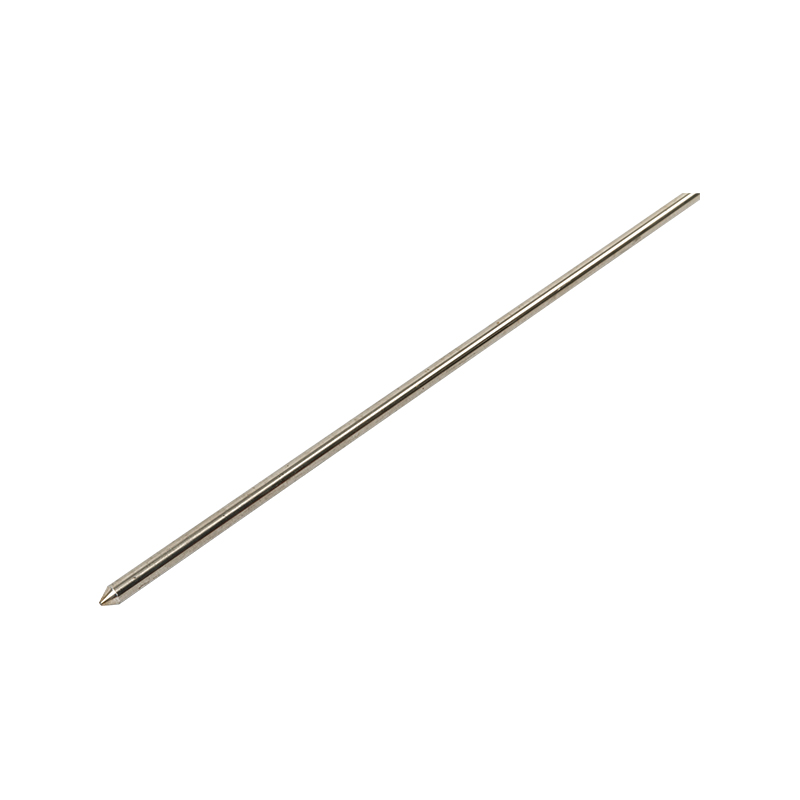
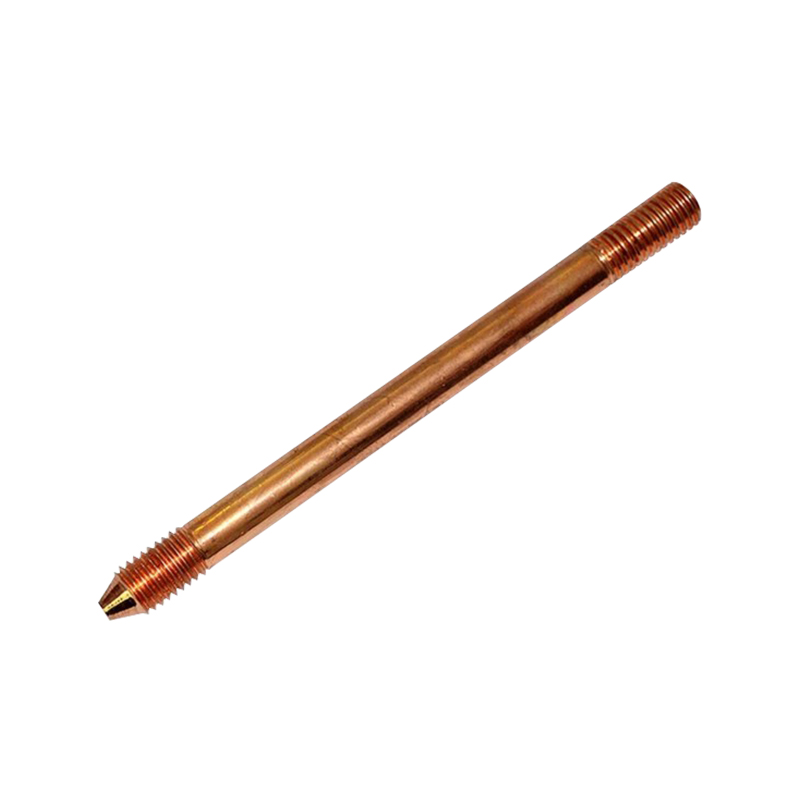
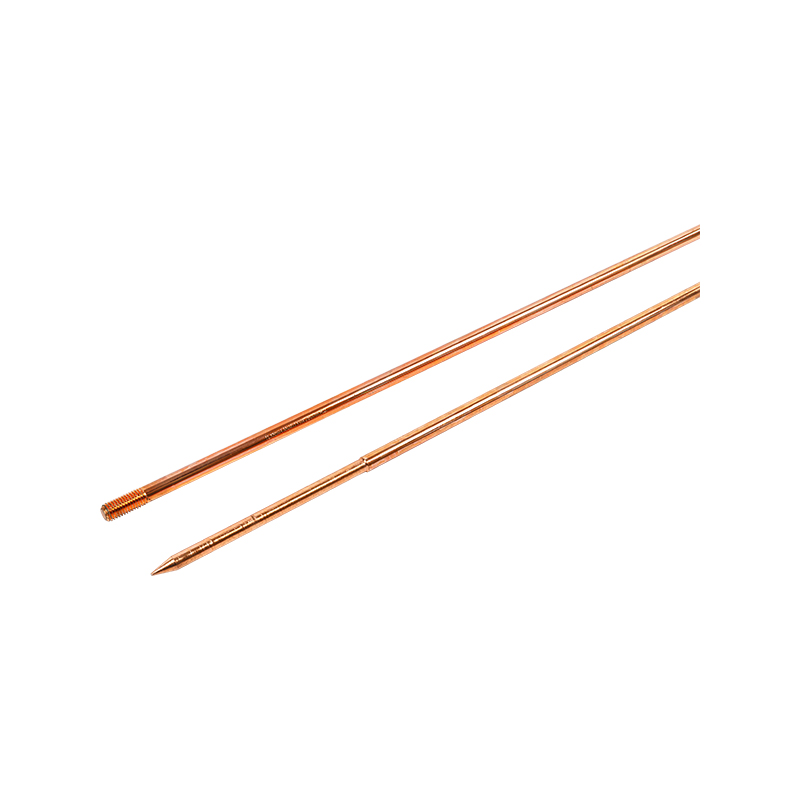 Copper-Clad Steel Grounding Rod with Nano-CoatingA corrosion-resistant grounding rod with a thick copper layer and strong steel core, extendable to 35 meters for low-resistance grounding in challenging soil conditions.View Product →
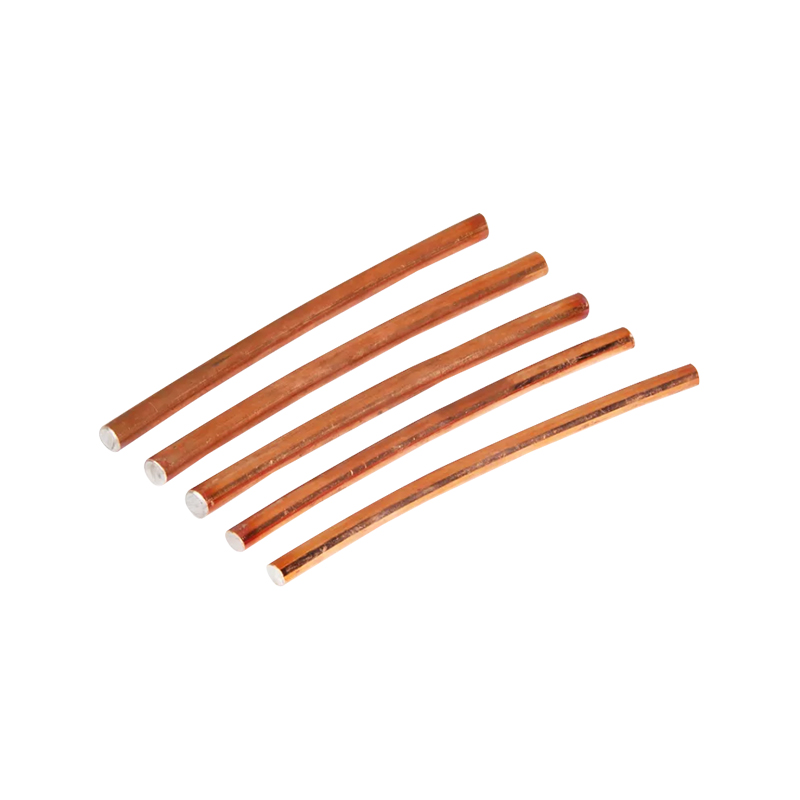
Copper-clad steel grounding rods offer a practical balance for industrial sites. The steel core provides strength for driving, the copper layer provides conductivity and corrosion resistance, and the rod can be extended with couplings for deep soil conditions. That matters in areas where soil resistivity is high or where the available ground space is limited. Many specifications for heavy industrial sites start with a grounding rod that can survive high fault current while resisting soil corrosion.
Conductor continuity is equally important. A bolted clamp can work, but in a corrosive atmosphere it needs regular checking. Many engineering specifications for Class I, Division 1 installations call for exothermic welds on buried connections because the fusion joint has no mechanical interface to loosen over time.
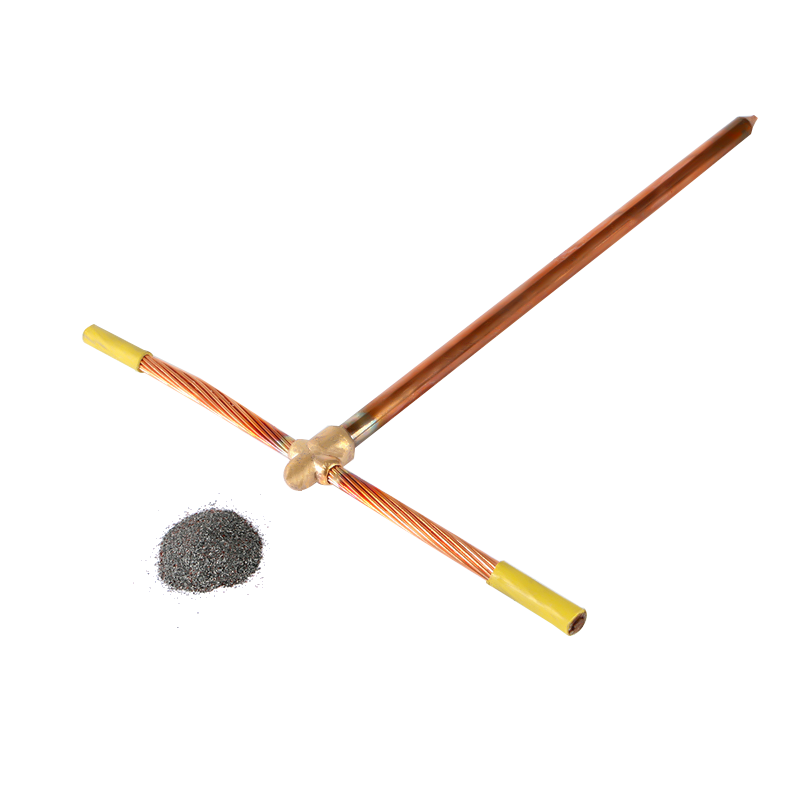 Exothermic Welding Powder for Reliable Ground ConnectionsMetal-joining powder that creates fusion welds in graphite molds, eliminating mechanical joints that may loosen over time in harsh or corrosive environments.View Product →
For above-ground inspection and testing, an accessible connection point reduces the risk of damage from digging and makes periodic resistance checks practical.
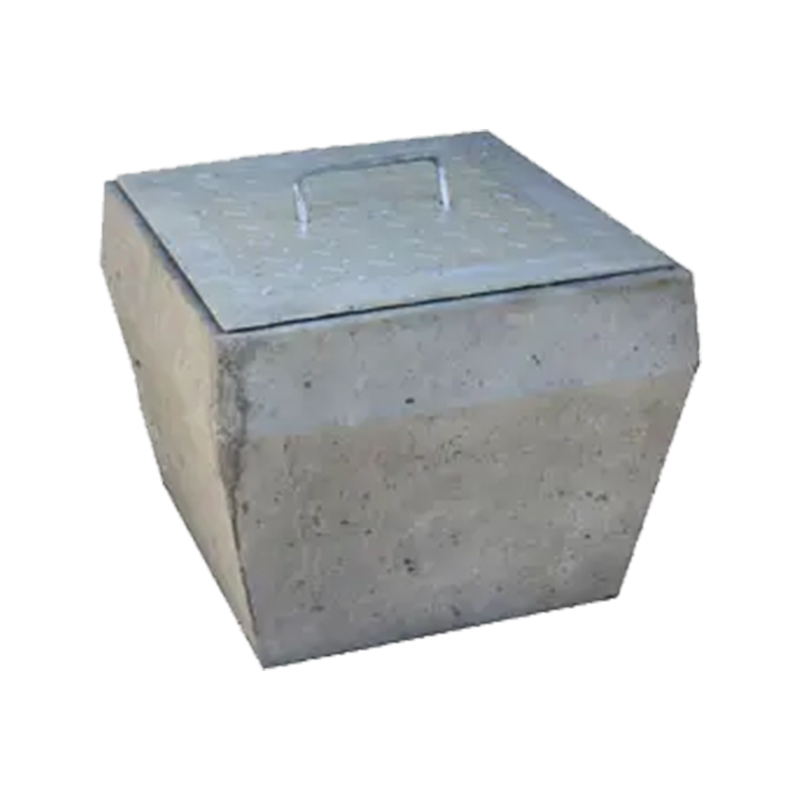 Concrete Grounding Inspection Pit for Protected Test AccessA durable, high-strength concrete pit that shields grounding test points from traffic and environmental damage, enabling safe and convenient periodic resistance checks.View Product →
A concrete grounding inspection pit creates a stable, protected opening around the test joint. Maintenance crews can remove the cover, measure the connection, and close it without disturbing the soil or exposing the conductor to mechanical damage.
Grounding components that deserve attention in Class 1 Div 1 areas
- Earth electrodes: copper-clad steel, pure copper, stainless steel, or galvanized steel depending on soil chemistry and corrosion exposure.
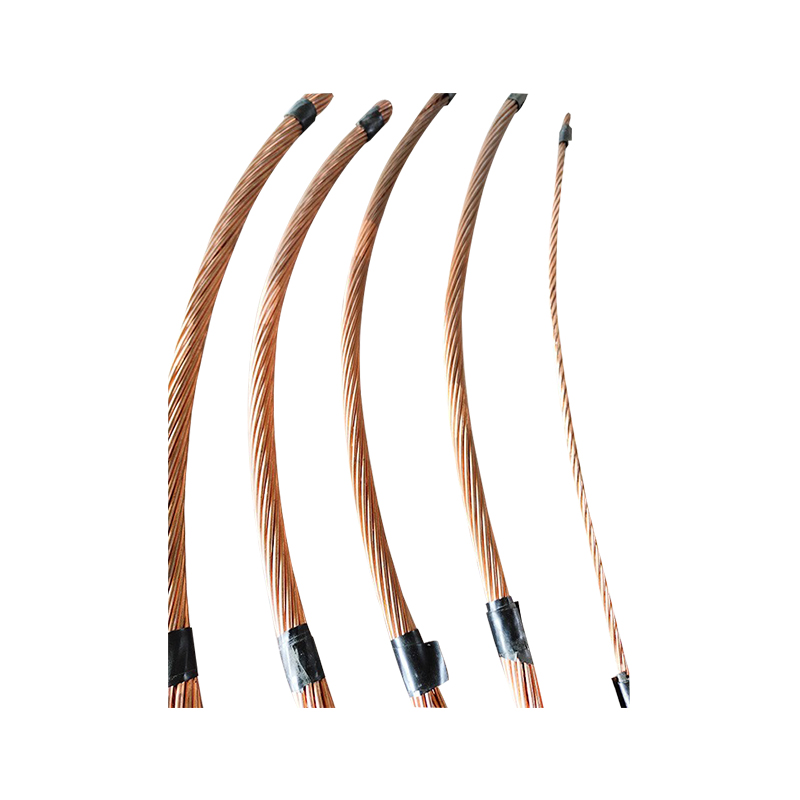
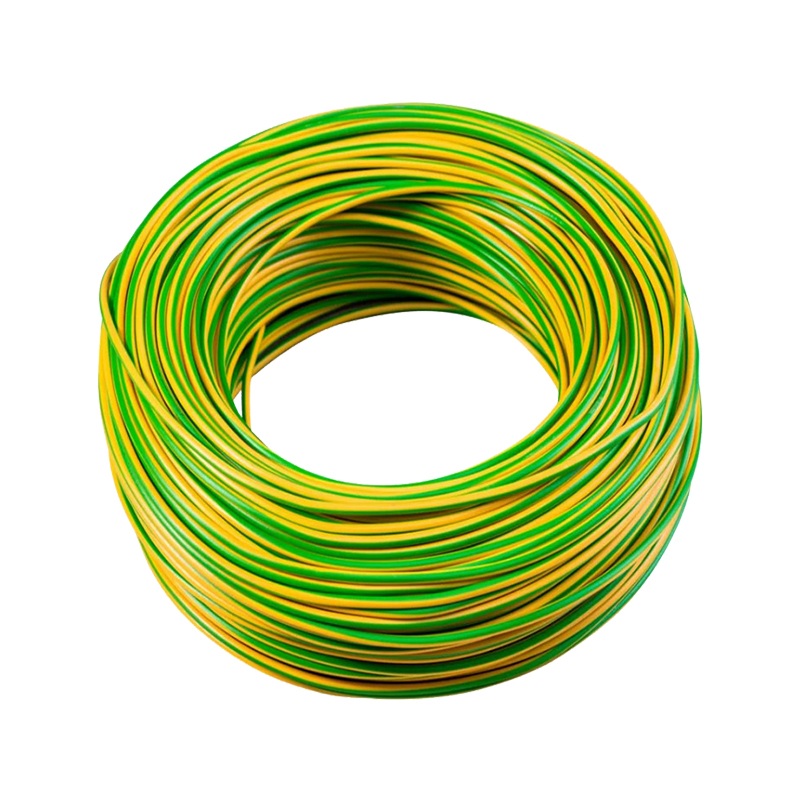
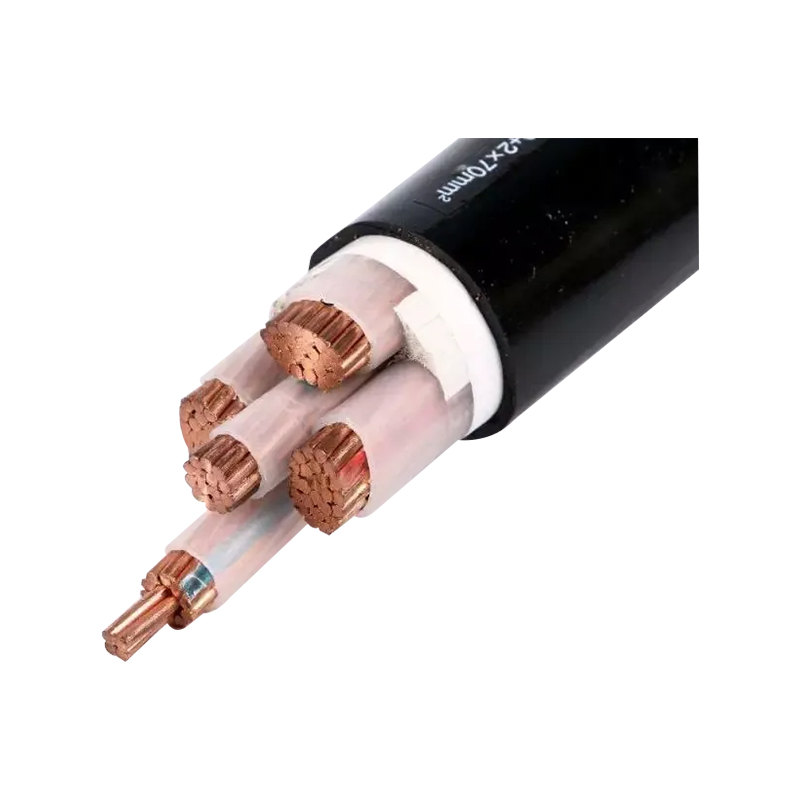
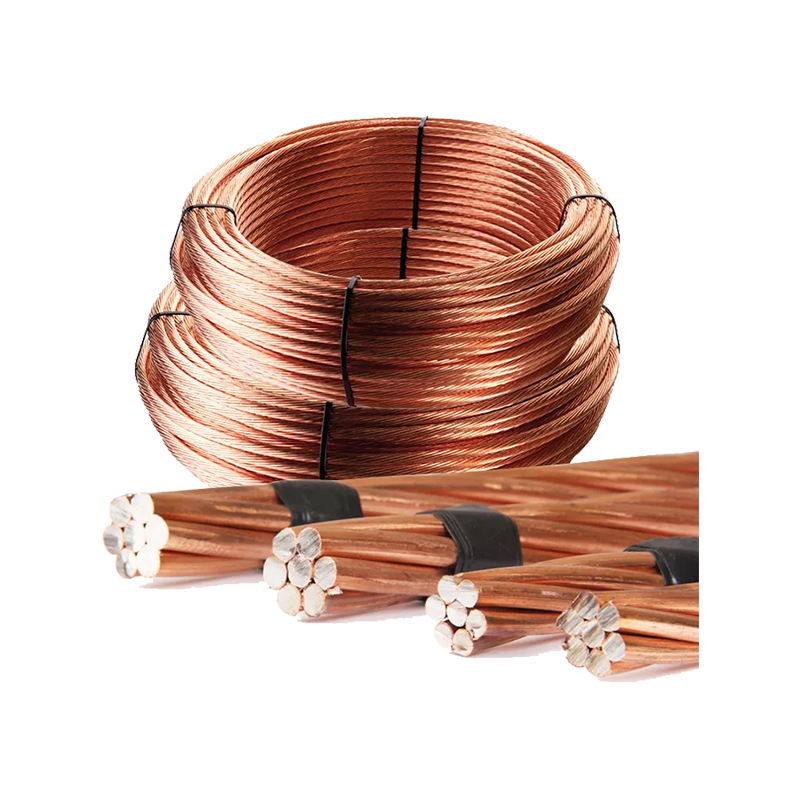
- Ground conductors: stranded copper, solid copper, or tinned copper sized for the available fault current.
- Connectors and clamps: designed for grounding use and compatible with the conductor material and rod diameter.
- Inspection access: a pit that protects the test point, provides drainage, and remains stable under traffic.
Selection and Procurement Considerations
When you purchase grounding materials for a Class 1 Div 1 project, the classification should drive the specification. Verify that the equipment protection class matches the area, then check the mechanical properties of the earthing components.
Questions to ask suppliers
- Is the earth electrode material compatible with the soil resistivity and chemical environment?
- What is the conductor cross-section and fault current rating?
- Are clamps and connectors listed for the conductor type and size?
- Does the inspection pit provide drainage, corrosion resistance, and a stable cover load rating?
Procurement often focuses on the visible equipment, but the grounding system carries the same safety responsibility. Choosing a supplier that can provide the rod, conductor, connectors, and inspection access as a coherent package simplifies compliance and reduces the chance of mismatched components.
The Practical Takeaway
Class 1 Div 1 is one of the most demanding hazardous area classifications. Flammable gas can be present during normal operation, so every electrical and grounding component has to be chosen with that reality in mind. The grounding path must be continuous, corrosion resistant, and verifiable. Rods, conductors, connections, and inspection points are not commodity add-ons; they are part of the ignition control strategy.
By treating the earthing system as a first-class safety component and selecting materials that can survive both the electrical and environmental demands, you reduce the risk of a high-resistance fault becoming the source of ignition.
 About Us
 +86-15167536268

 29, Xingmei Avenue, Xinchang, Zhejiang, China
