

 English
 简体中文
简体中文
Introduction to Earthing Conductors
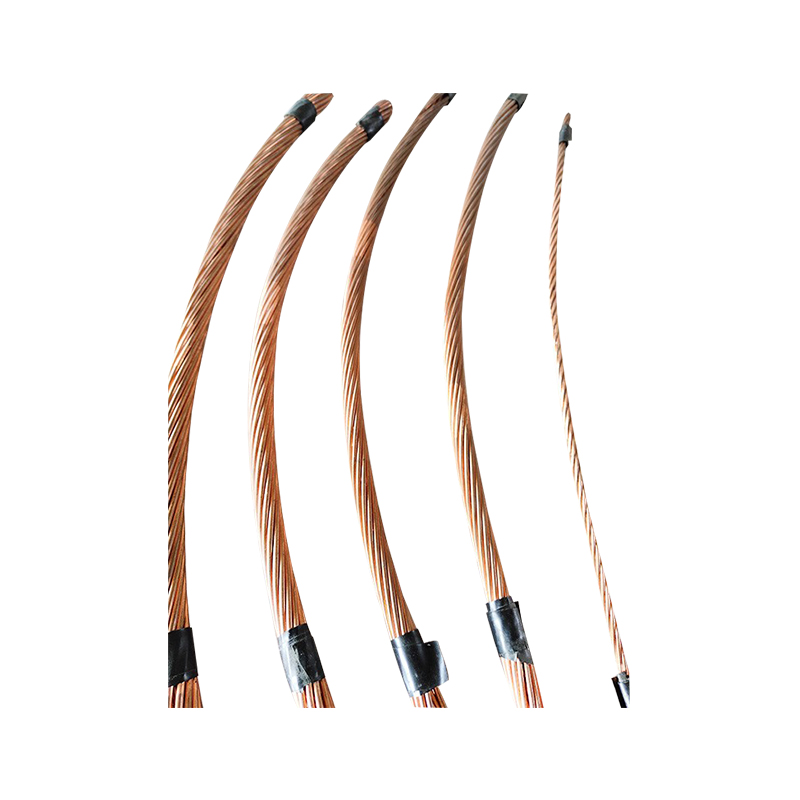
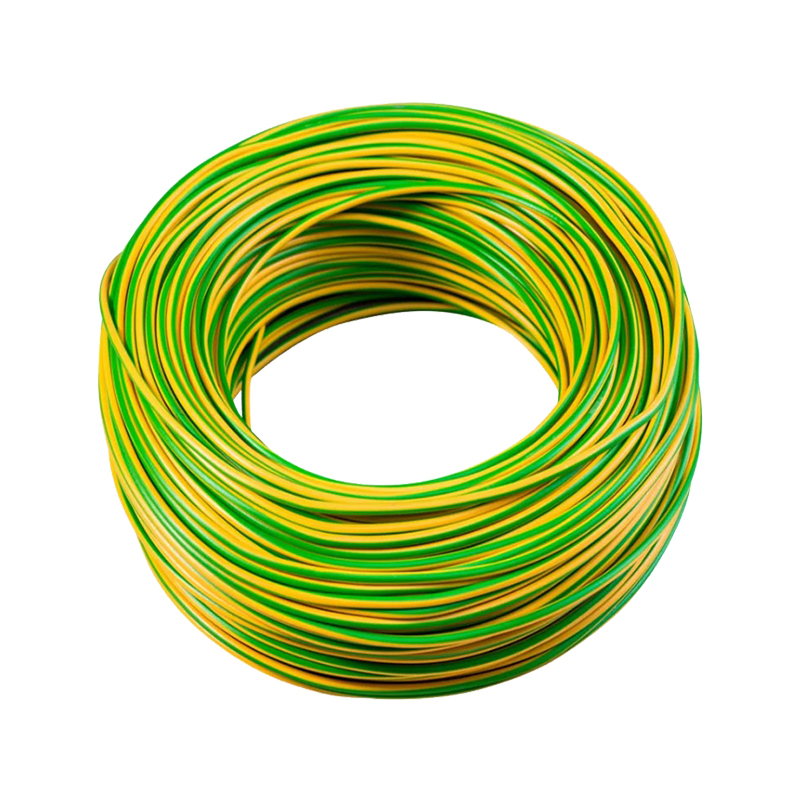
Earthing conductors are a crucial component of electrical systems designed to enhance safety by preventing electrical hazards. They provide a direct path for electrical currents to flow to the ground, reducing the risk of electrical shock and equipment damage caused by faults. Earthing conductors are commonly used in various applications, from residential wiring to industrial machinery and electrical equipment. Their main purpose is to ensure that electrical systems are grounded properly, allowing for the safe dissipation of excess electrical energy and protecting sensitive equipment from overvoltage conditions.
What Is Overvoltage?
Overvoltage refers to a condition where the voltage in an electrical system exceeds the normal operating voltage, often causing damage to electrical equipment. Overvoltage can occur due to various reasons, including lightning strikes, switching operations, or faults in the power supply. These conditions can cause excessive current to flow through electrical circuits, leading to the potential for fires, equipment failure, and electrical shock hazards.
Overvoltage can be categorized into two types: transient overvoltage and continuous overvoltage. Transient overvoltage is a short-duration voltage spike that can occur as a result of lightning strikes or power system switching events. Continuous overvoltage, on the other hand, occurs when the system voltage remains elevated for a prolonged period, which can lead to overheating and long-term damage to electrical equipment.
The Role of Earthing Conductors in Preventing Overvoltage
Earthing conductors play a critical role in the protection of electrical systems from overvoltage by providing a safe pathway for excess electrical energy to dissipate into the earth. In the event of overvoltage, the earthing conductor allows the excess current to flow directly to the ground, preventing it from causing harm to electrical equipment and reducing the risk of electrical shock. The effectiveness of earthing conductors depends on their design, the quality of the connection to the ground, and the overall electrical system in which they are installed.
When overvoltage occurs, particularly from lightning strikes or transient spikes, the earthing conductor provides a low-resistance path for the surge to be safely directed away from sensitive equipment. This helps protect the electrical system and prevent permanent damage to the components. For this reason, earthing conductors are a critical part of surge protection systems, especially in areas prone to electrical storms or unstable power supplies.
How Earthing Conductors Work in Electrical Systems
In an electrical system, the earthing conductor connects various components, such as the electrical panel, outlet boxes, and exposed metal parts of electrical devices, to the earth. This connection ensures that any excess current or fault current has a direct route to the ground, where it can safely dissipate without causing damage or danger to the system or its users.
When an electrical fault occurs, such as a short circuit or a fault in the insulation, the earthing conductor directs the fault current to the ground. This helps prevent the buildup of electrical charges in the system, which could otherwise lead to overvoltage conditions. In addition to grounding fault currents, earthing conductors also help stabilize the electrical system by ensuring that all components are at the same electrical potential. This reduces the risk of electrical shock, particularly in environments where metal equipment or wiring may be exposed to the user.
Types of Earthing Systems
There are several types of earthing systems, each designed for specific applications and levels of protection. The three most common types of earthing systems are:
- TN System: In this system, one point of the supply is connected to the earth, and all exposed conductive parts of the installation are connected to the earth as well. This provides a direct path for fault current to flow to the ground.
- TT System: In a TT system, the earth connection is made directly to the ground via electrodes placed in the earth. The exposed conductive parts are also earthed but via a separate electrode. This system provides an independent earth reference for the electrical installation.
- IT System: In an IT system, the supply is not directly earthed, but the earthing conductor is connected to the earth through a resistance or impedance. This system is used in specific applications where continuity of service is critical, such as in hospitals or data centers.
Each system has its own advantages and applications, but the primary function of all these systems is to provide a safe path for fault currents and overvoltage conditions to be grounded, reducing the risk of electrical accidents.
Effectiveness of Earthing Conductors in Preventing Electrical Faults
While earthing conductors are designed to prevent overvoltage and electrical faults, their effectiveness is highly dependent on their installation, maintenance, and the quality of the grounding system. A well-designed earthing system can significantly reduce the likelihood of electrical faults, ensuring the safety and reliability of electrical equipment.
The effectiveness of an earthing conductor in preventing faults also depends on the resistance of the ground connection. The lower the resistance between the electrical system and the earth, the more effectively the earthing conductor can dissipate fault currents and prevent overvoltage conditions. High-resistance connections can reduce the performance of the earthing system, making it less effective at protecting against electrical faults.
Furthermore, regular maintenance and testing of earthing systems are essential to ensure that the system remains effective over time. Over time, the connection between the earth electrode and the conductor can deteriorate, and soil conditions can change, affecting the system's performance. Routine inspections and testing can help detect potential issues before they result in system failures or equipment damage.
Additional Surge Protection Measures
While earthing conductors play a significant role in preventing overvoltage, they are often used in conjunction with other surge protection measures to provide more comprehensive protection for electrical systems. These measures include:
- Surge Protection Devices (SPDs): SPDs are designed to divert excess voltage away from sensitive equipment and prevent damage. They are typically installed at the point of entry to the building's electrical system and can be used alongside earthing conductors to further enhance protection against overvoltage.
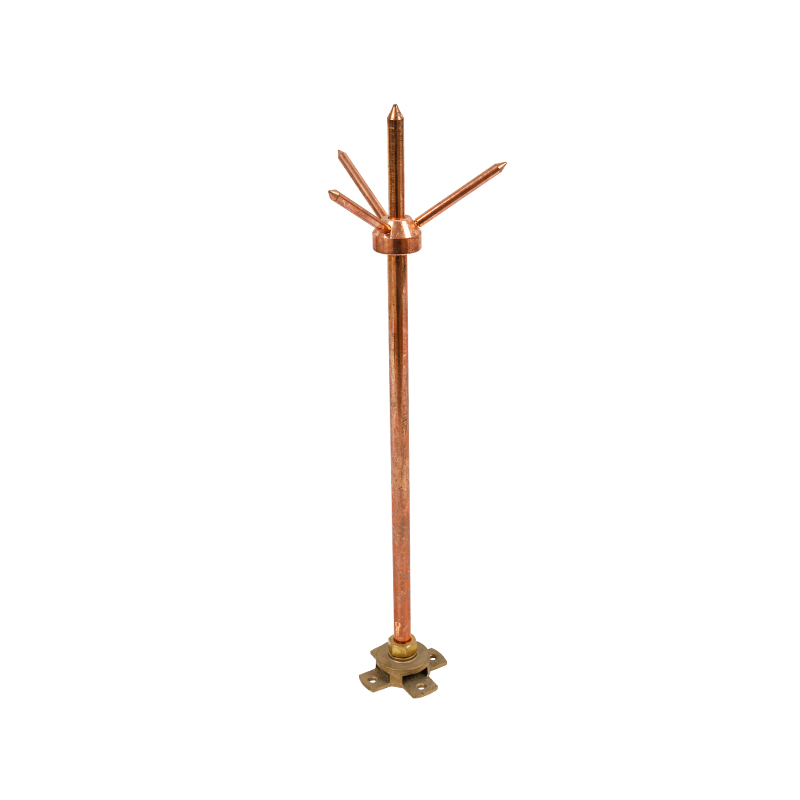
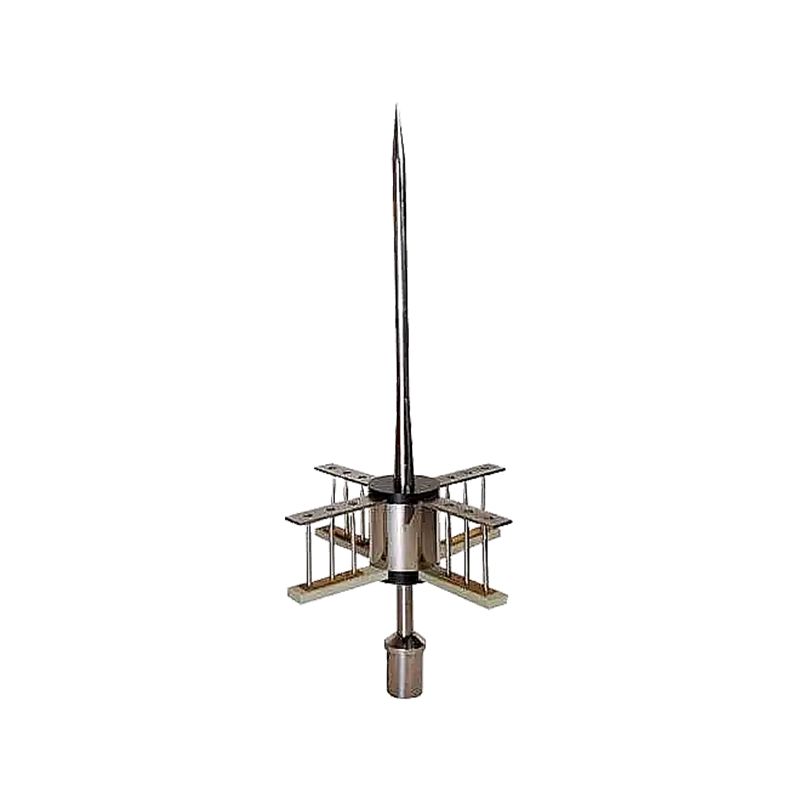
- Lightning Protection Systems: In areas prone to lightning strikes, specialized lightning protection systems that include earthing conductors, surge protectors, and grounding rods are installed to provide additional protection. These systems ensure that lightning-induced overvoltage is safely dissipated into the earth.
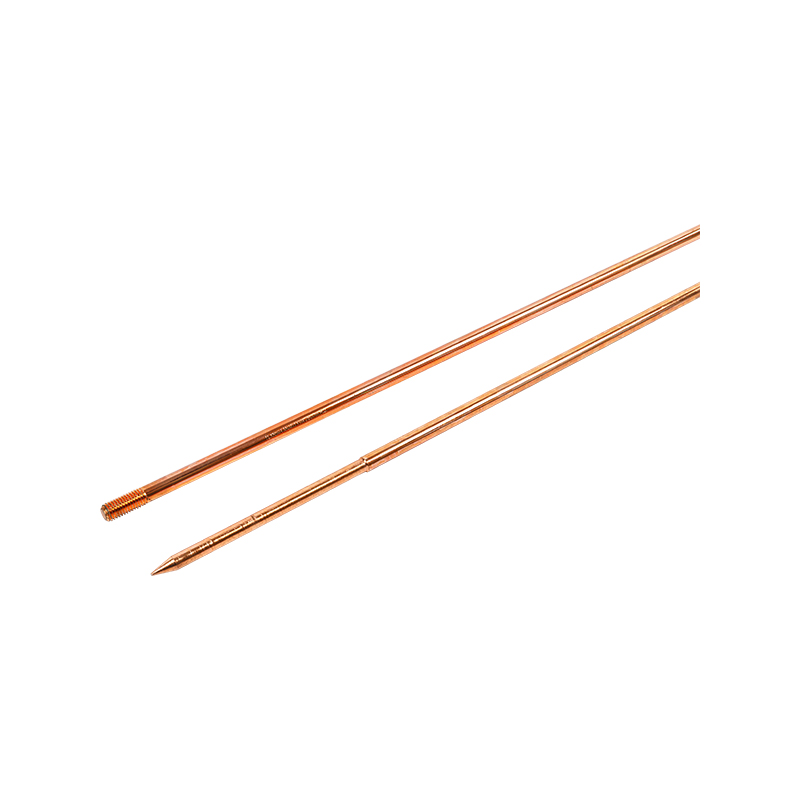
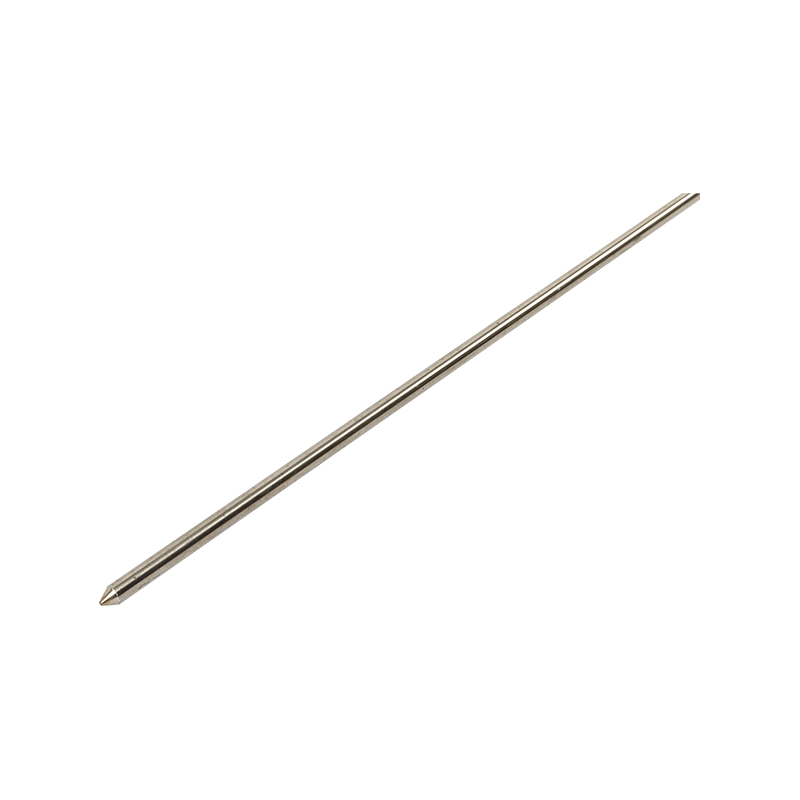
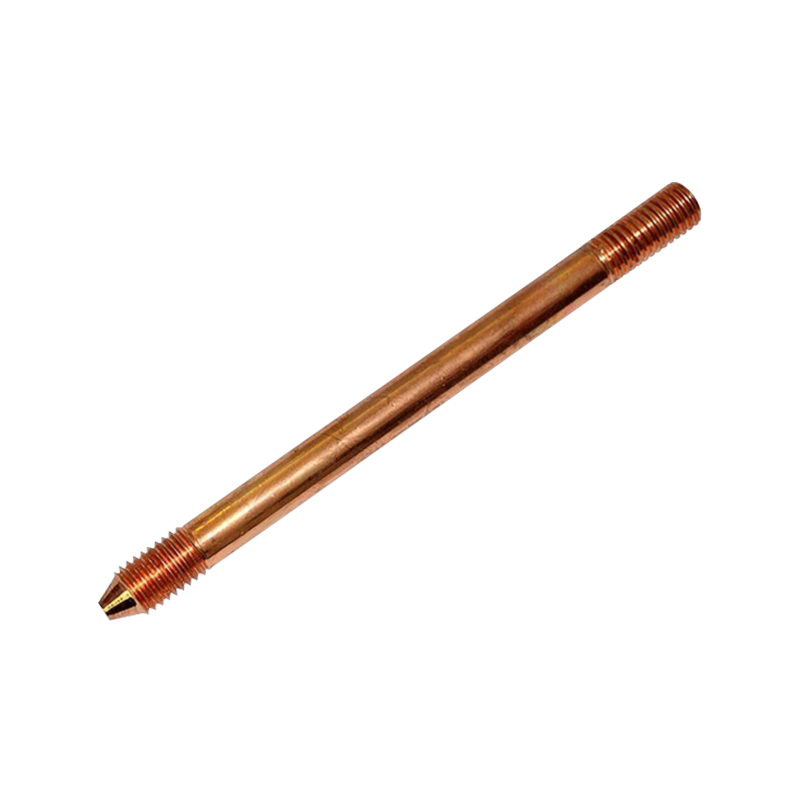
- Grounding Electrodes: The use of multiple grounding electrodes, such as ground rods or ground plates, can help lower the resistance of the earthing system, improving its ability to handle fault currents and overvoltage conditions.
Considerations for Effective Earthing System Design
To ensure that an earthing system is effective in preventing overvoltage and electrical faults, several key factors need to be considered during the design phase. These include:
- Ground Resistance: The resistance of the earth connection must be as low as possible to ensure that fault currents can be safely dissipated. This requires selecting suitable materials and installation methods for the grounding electrodes.
- System Layout: The layout of the earthing system should be designed to minimize the length of the earthing conductor and ensure that all exposed conductive parts are properly earthed.
- Compliance with Standards: The earthing system must comply with local electrical codes and international standards to ensure that it provides adequate protection for electrical equipment and personnel.
- Maintenance and Testing: Regular maintenance, testing, and inspection of the earthing system are essential to ensure that it continues to function properly over time. This includes checking for corrosion, wear, and soil changes that could affect the resistance of the ground connection.
Earthing Conductors and Overvoltage Protection
Earthing conductors are essential components of electrical systems that help prevent overvoltage and electrical faults by providing a safe path for fault currents to flow to the ground. While earthing conductors alone cannot entirely eliminate the risk of electrical faults, they are an important part of a comprehensive protection system that includes surge protection devices, lightning protection systems, and proper grounding techniques. A well-designed and properly maintained earthing system plays a crucial role in the safety and reliability of electrical equipment, reducing the risk of damage caused by overvoltage and electrical faults.

 About Us
 +86-15167536268
 29, Xingmei Avenue, Xinchang, Zhejiang, China