

 English
 简体中文
简体中文
Introduction to Earthing Conductors
Earthing conductors are critical components in electrical systems, designed to safely channel excessive electrical current to the ground. Their primary purpose is to protect equipment, structures, and individuals from the effects of lightning strikes or electrical faults such as short circuits. Understanding how much current earthing conductors can withstand is essential for designing safe electrical installations and ensuring reliable protection during high-current events.
Function of Earthing Conductors
Earthing conductors provide a low-resistance path for electrical current to dissipate into the ground. During a lightning strike or a short circuit, the current flowing through the system can reach extremely high levels. The earthing conductor must handle this current without significant heating, melting, or mechanical failure. Properly sized and installed earthing conductors reduce the risk of damage to electrical equipment and prevent potential hazards to people in the vicinity of the electrical system.
Factors Affecting Current Withstand Capacity
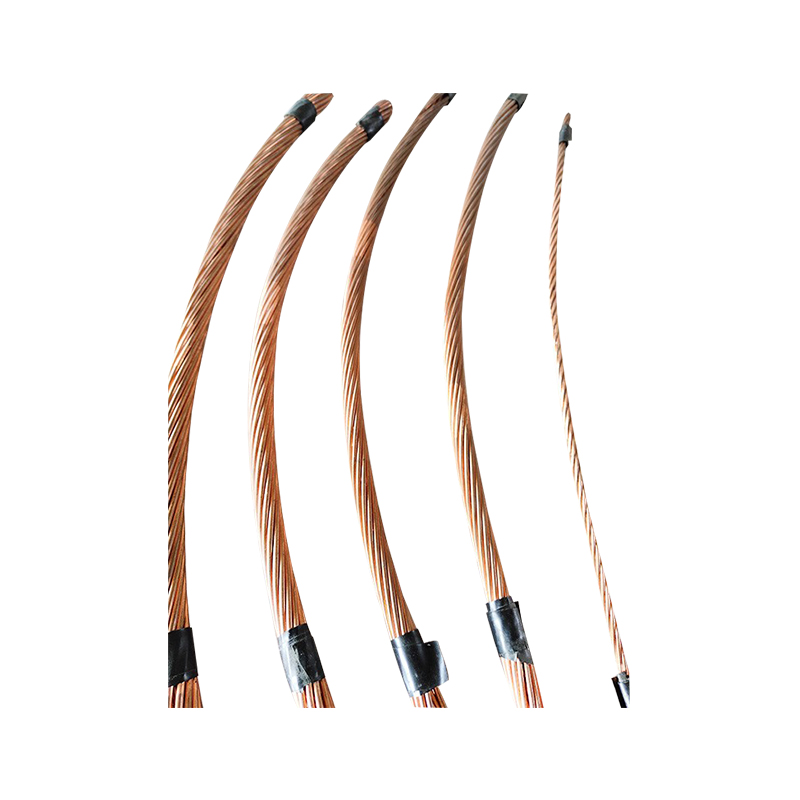
The ability of an earthing conductor to handle high currents depends on several factors, including its material, cross-sectional area, length, and connection quality. Copper and aluminum are commonly used materials due to their high conductivity and mechanical strength. Larger cross-sectional areas allow the conductor to carry more current without excessive heating. Additionally, the quality of connections, such as clamps and joints, plays a significant role in maintaining low resistance and preventing hot spots that could lead to failure.
Current Levels in Lightning Strikes
Lightning strikes generate extremely high currents that can range from 10,000 amperes to over 200,000 amperes in some cases. Earthing conductors are designed to handle these short-duration, high-magnitude pulses. The conductor must conduct the current to the ground rapidly and efficiently to prevent damage to electrical equipment. Standards and guidelines often specify the minimum cross-sectional area and material requirements for conductors exposed to lightning currents to ensure they can withstand these extreme events safely.
Current Levels in Short Circuits
Short circuits also produce high currents, though typically lower in magnitude compared to lightning strikes. The duration of a short circuit may be longer than a lightning pulse, which can create sustained heating in the conductor. Earthing conductors must be able to carry these currents for the duration of the fault without permanent deformation or failure. Protection devices such as circuit breakers or fuses are designed to interrupt short-circuit currents, but the earthing conductor must provide the path until the fault is cleared.
Design Considerations for Earthing Conductors
When designing an earthing system, engineers consider factors such as peak current, energy dissipation, and thermal limits. The conductor’s cross-sectional area is calculated based on the maximum expected current and the allowable temperature rise. In addition, the type of grounding electrode, soil resistivity, and environmental conditions influence the overall design. Using appropriate clamps and connections ensures continuity and prevents weak points where excessive heat or arcing could occur.
Testing and Standards
Standards organizations such as IEC, IEEE, and NEC provide guidelines for earthing conductors. These guidelines include recommendations for conductor sizing, material selection, and installation practices. Laboratory and field tests are conducted to verify the current-carrying capacity of earthing conductors. Tests may include simulated lightning strikes, short-circuit pulses, and thermal cycling to ensure that the conductor maintains its integrity under real-world conditions.
Table of Typical Conductor Capacities
| Conductor Material | Cross-Sectional Area (mm²) | Approximate Lightning Current Withstand (kA) | Approximate Short-Circuit Current Withstand (kA) |
| Copper | 25 | 50 | 5 |
| Copper | 50 | 100 | 10 |
| Aluminum | 50 | 80 | 8 |
| Aluminum | 95 | 150 | 12 |
Maintenance and Inspection
Regular inspection of earthing conductors is essential to ensure they continue to perform as intended. Corrosion, mechanical damage, or loose connections can reduce the conductor’s ability to handle high currents safely. Visual inspections, resistance measurements, and periodic testing of continuity help identify potential issues before a lightning strike or short-circuit occurs. Maintaining the integrity of the earthing system ensures that high-current events are safely managed.
 About Us
 +86-15167536268
 29, Xingmei Avenue, Xinchang, Zhejiang, China