

 English
 简体中文
简体中文
What Are Earthing Conductors?
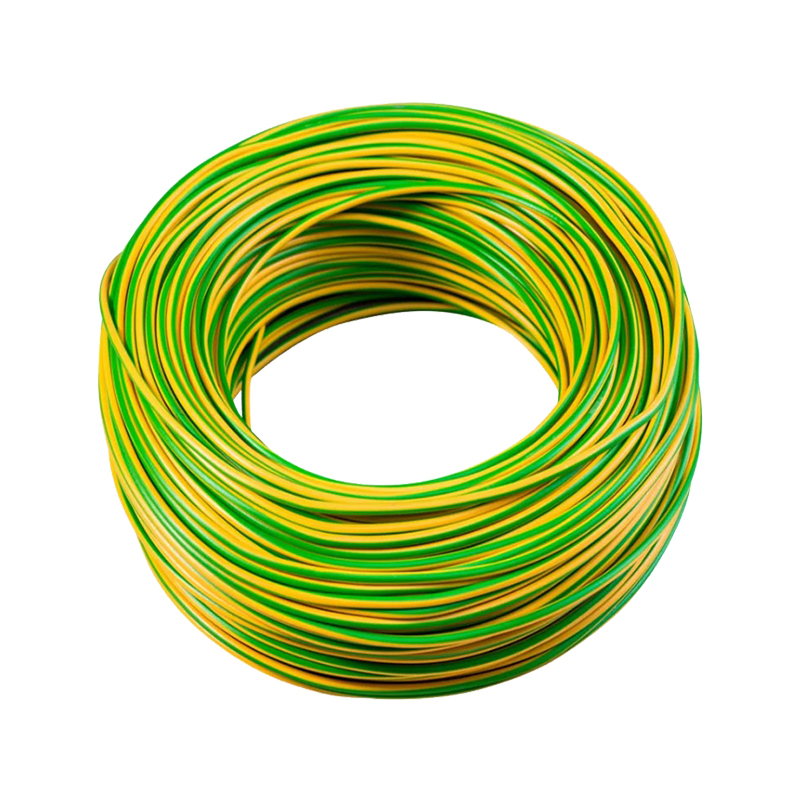
Earthing conductors are crucial components in electrical systems designed to provide a path for the safe discharge of electrical currents. By connecting electrical equipment and circuits to the ground, earthing conductors prevent the build-up of dangerous electrical charges, which could otherwise lead to electric shocks or fires. These conductors are essential for ensuring the safety and proper functioning of electrical installations.
Types of Earthing Conductors
Earthing conductors come in several types, depending on the installation requirements and the level of electrical safety needed. Here are the most commonly used types:
Copper Earthing Conductors
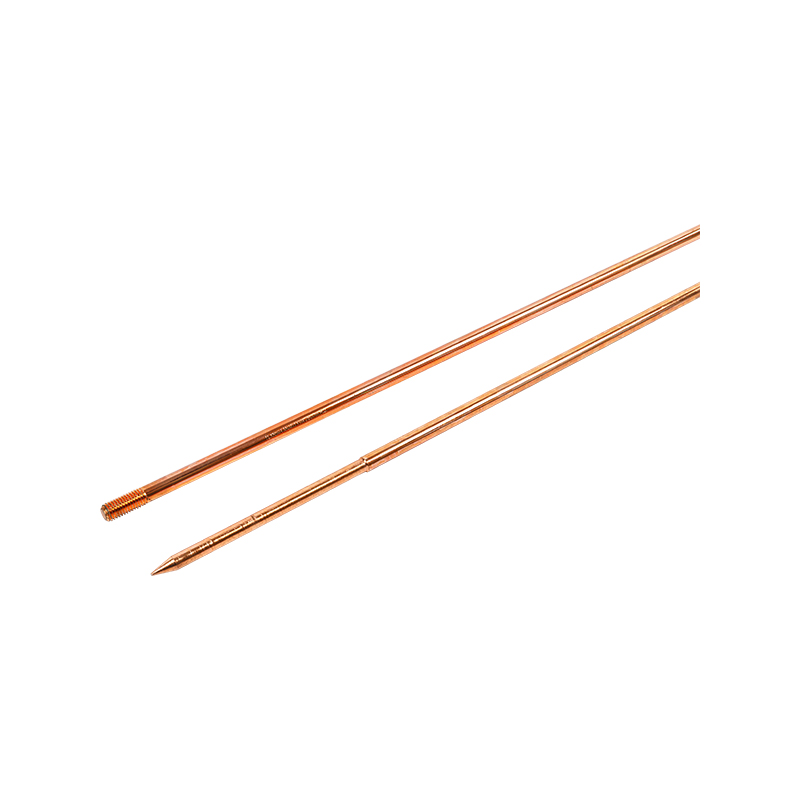
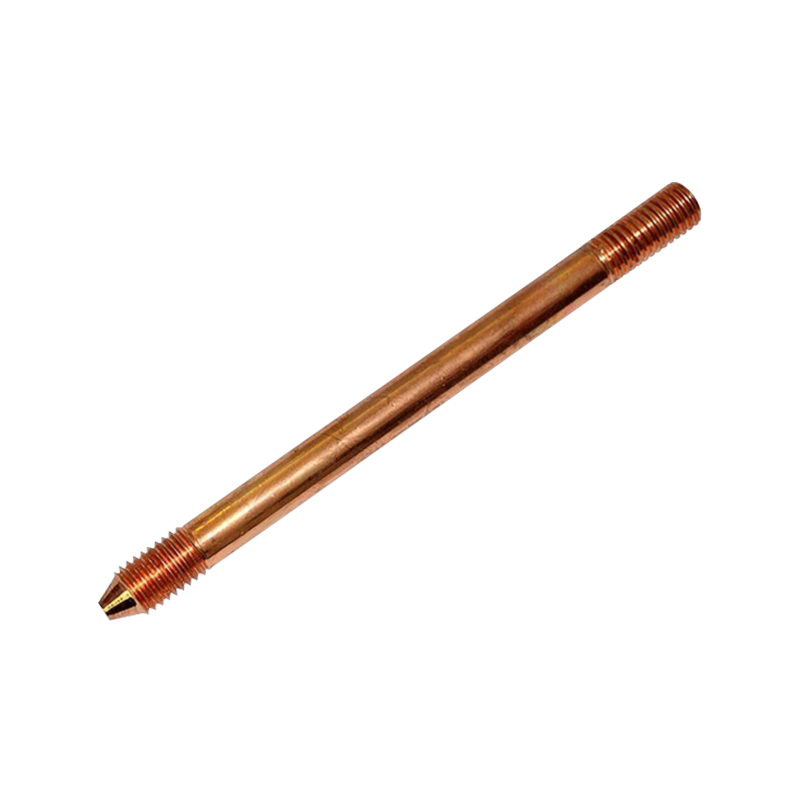
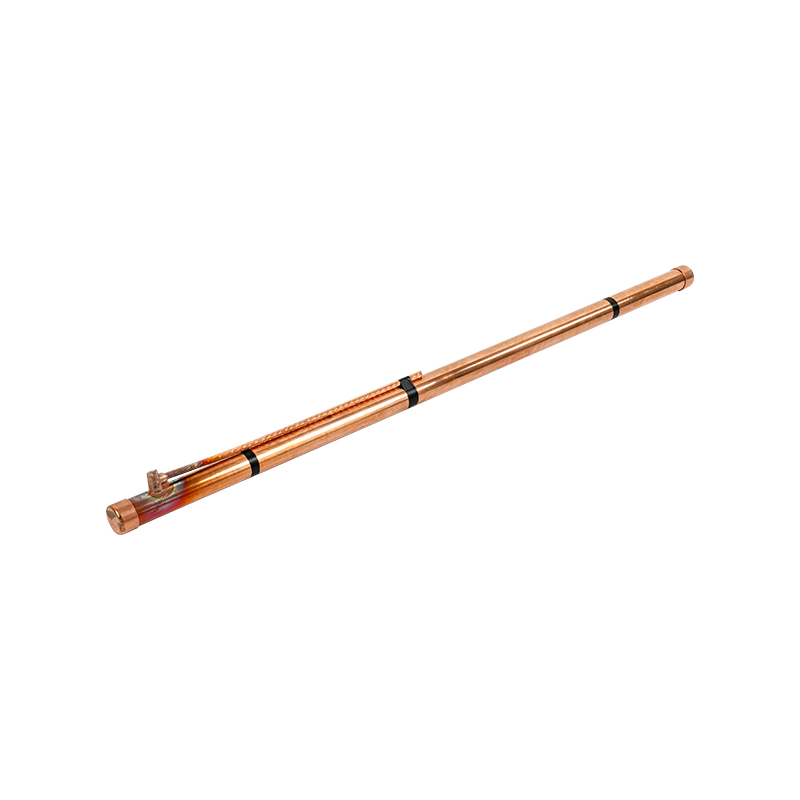
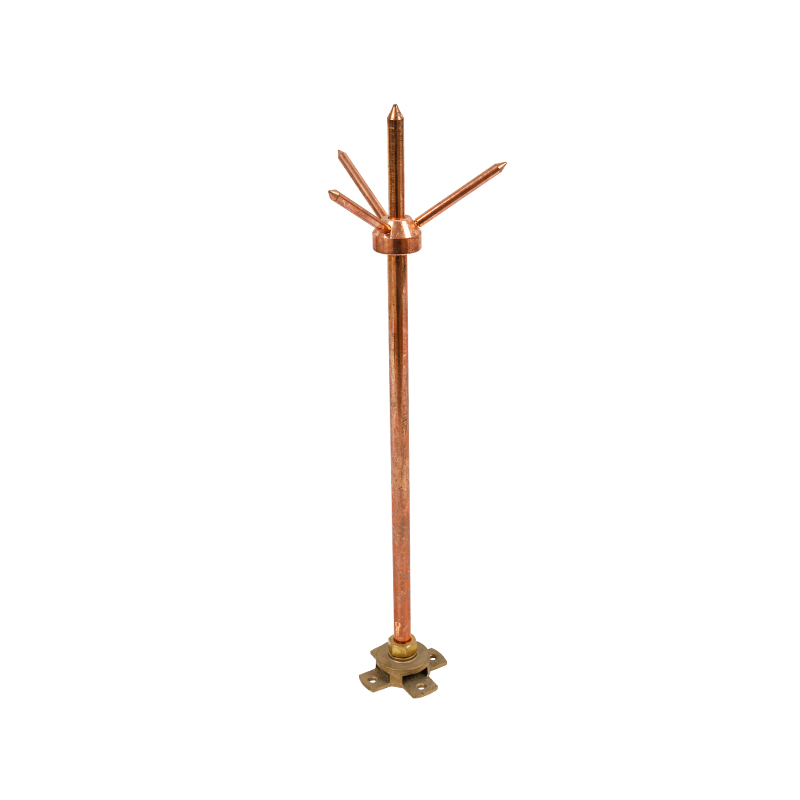
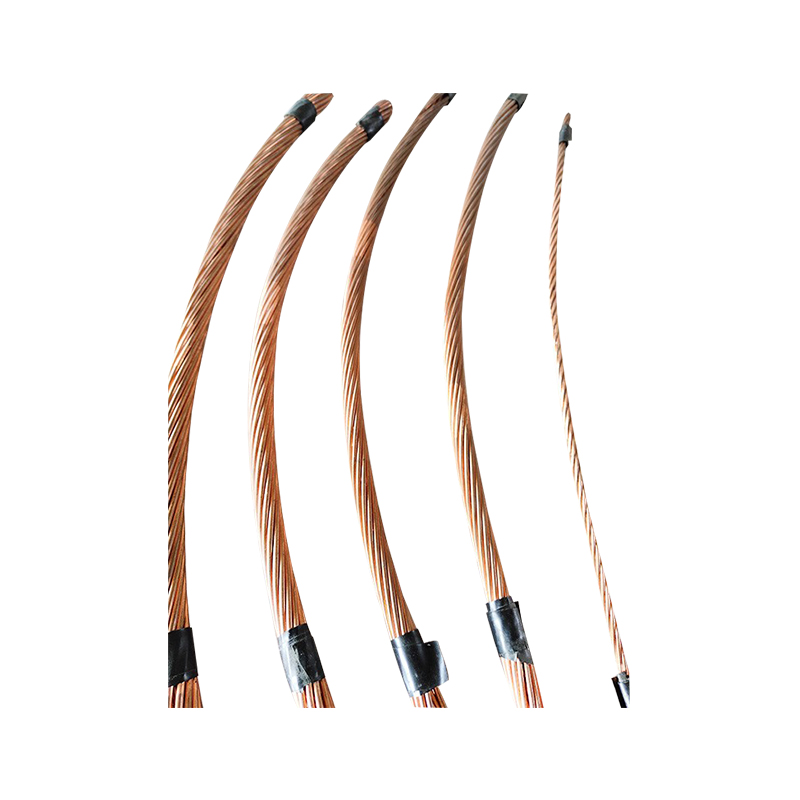
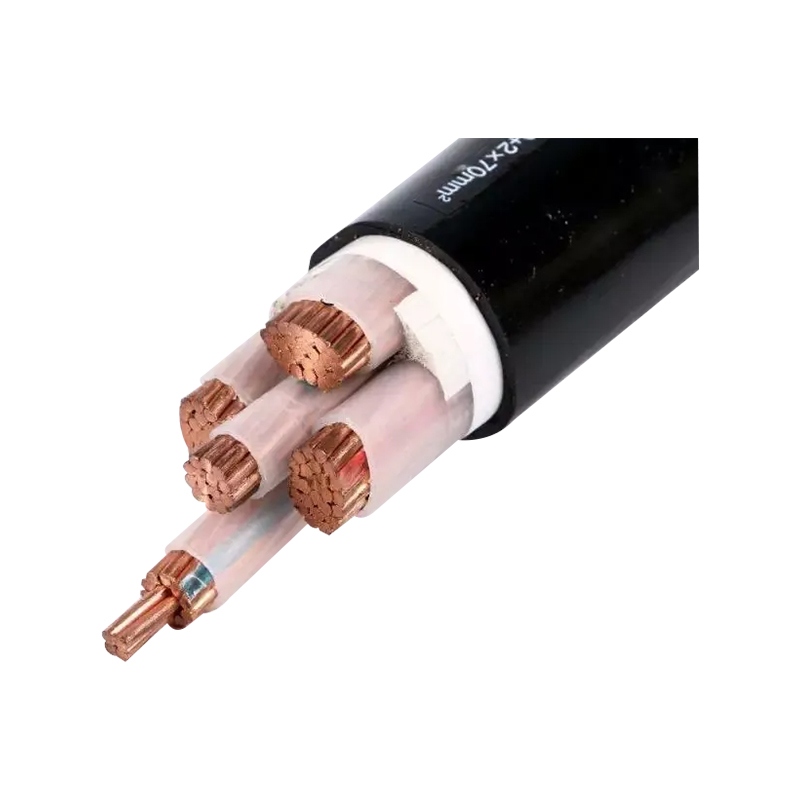
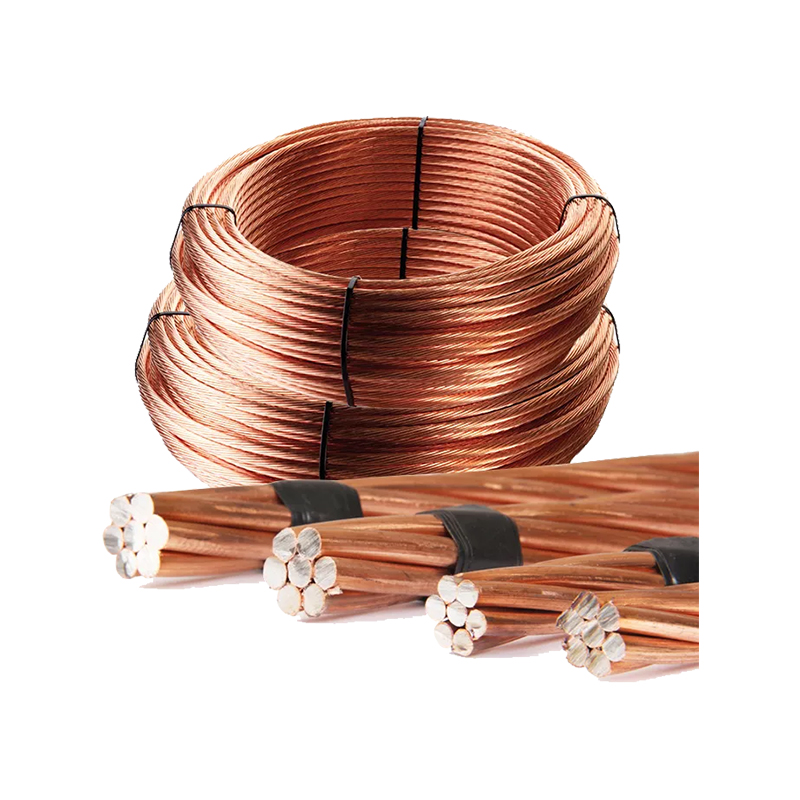
Copper is one of the most widely used materials for earthing conductors due to its excellent conductivity and durability. Copper earthing conductors are known for their resistance to corrosion and are often chosen for environments that experience high moisture or chemical exposure.
Aluminum Earthing Conductors
Aluminum earthing conductors are less expensive than copper and are often used in larger installations where cost is a significant factor. While aluminum is a good conductor, it is less resistant to corrosion compared to copper, so it requires protective coatings or insulation.
Steel Earthing Conductors
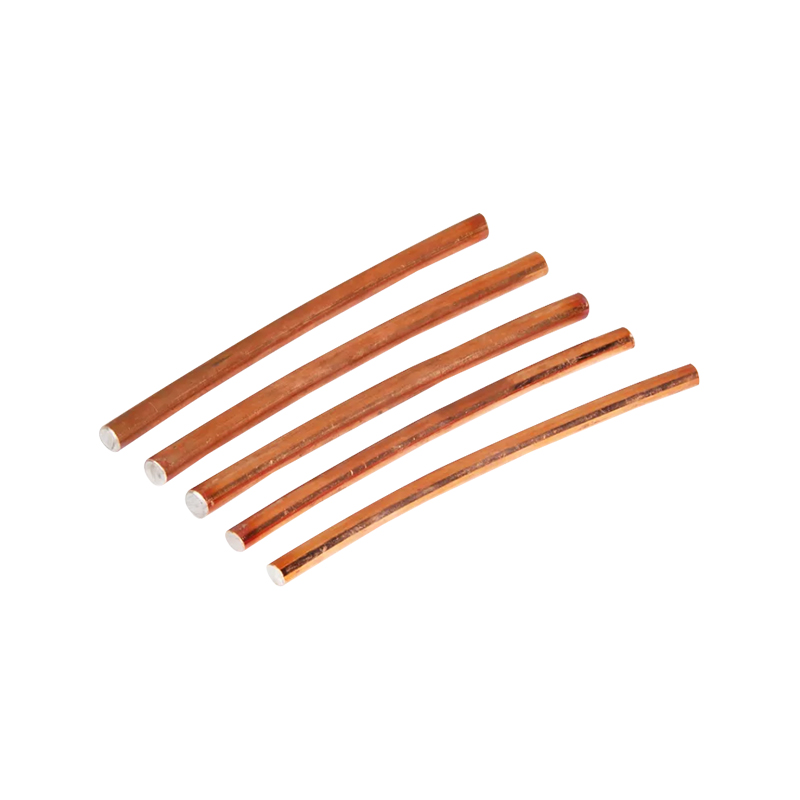
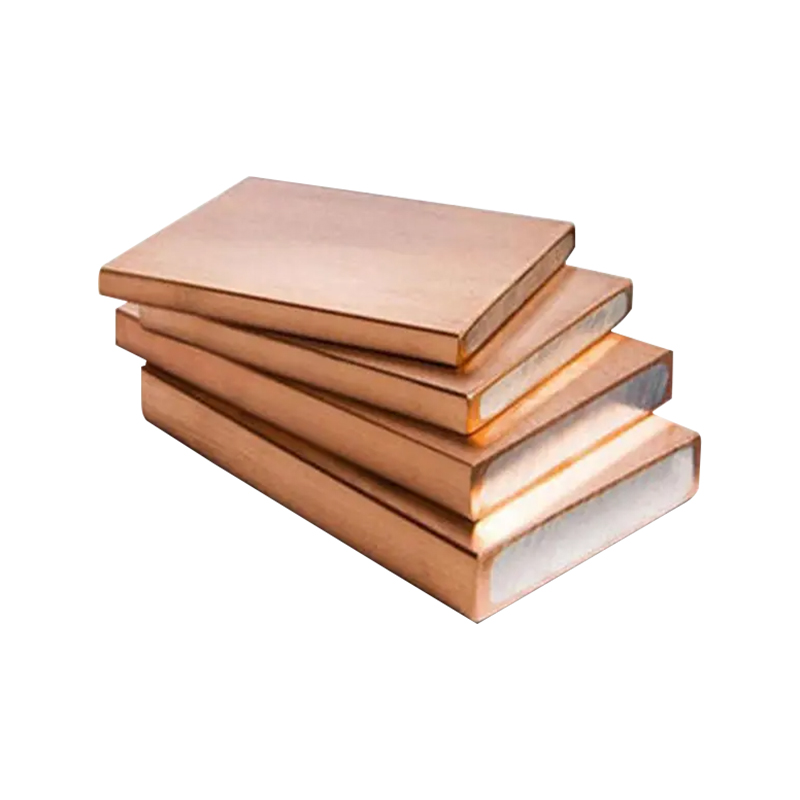
Steel earthing conductors are used in applications that require high strength. They are typically coated with a layer of copper or another protective material to ensure conductivity and prevent rusting. Steel conductors are commonly used in industrial and heavy-duty environments.
Applications of Earthing Conductors
Earthing conductors are integral to a wide range of electrical applications, from residential buildings to industrial power systems. Their primary purpose is to ensure electrical safety by providing a reliable pathway for fault currents. Below are some key applications:
Residential Electrical Systems
In residential installations, earthing conductors help protect against electrical shocks by connecting appliances, wiring, and metal enclosures to the ground. This ensures that any fault currents are safely directed to the earth, preventing hazardous situations.
Industrial Power Systems
In industrial settings, earthing conductors are essential for the protection of machinery and workers. These systems are designed to handle high currents and ensure that any electrical faults are safely managed to prevent equipment damage or worker injury.
Renewable Energy Systems
In renewable energy systems, such as solar power installations, earthing conductors are used to prevent electrical faults from damaging sensitive components. Proper earthing helps ensure that energy is safely transferred to the grid or storage systems.
Standards and Regulations for Earthing Conductors
The installation and use of earthing conductors are subject to strict safety standards and regulations, which vary by region and industry. Compliance with these regulations ensures that electrical systems are properly grounded, reducing the risk of electrical hazards. Some of the key standards include:
International Standards
International standards such as the IEC 60364 for electrical installations provide guidelines for the proper use and installation of earthing conductors. These standards ensure that electrical systems are safe, reliable, and efficient.
Local Regulations
In addition to international standards, local regulations such as the National Electrical Code (NEC) in the U.S. or the BS 7671 in the U.K. govern the installation of earthing systems. These codes outline the minimum requirements for earthing conductors in different types of installations.
Choosing the Right Earthing Conductor
Selecting the appropriate earthing conductor depends on various factors such as the size of the electrical system, the type of installation, and environmental conditions. Here are some factors to consider:
System Size
Larger electrical systems, such as industrial power plants or commercial buildings, require larger and more robust earthing conductors. The conductor's size and material should be chosen based on the total electrical load and fault current rating.
Environmental Conditions
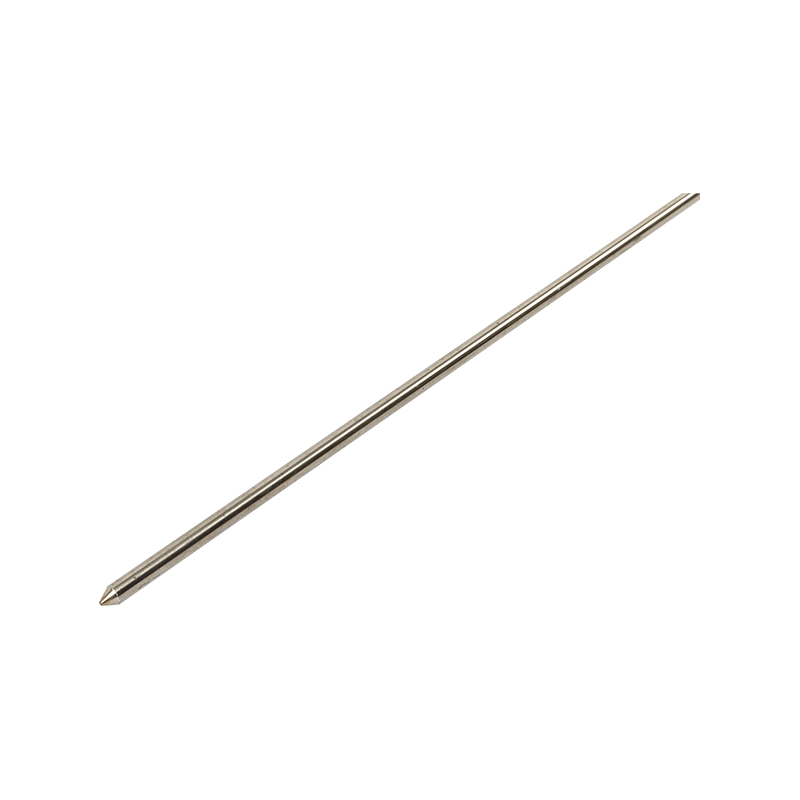
Consider the environmental conditions in which the conductor will be installed. If the system is exposed to moisture or chemicals, copper or stainless steel conductors may be preferred for their corrosion resistance.
 About Us
 +86-15167536268
 29, Xingmei Avenue, Xinchang, Zhejiang, China