

 English
 简体中文
简体中文
Ensuring Electrical Safety with Earthing Fixing Clamps
Earthing fixing clamps are essential components in electrical systems, designed to securely connect grounding conductors to structures, pipes, or rods. Their primary role is to ensure reliable electrical grounding, preventing electrical shocks, equipment damage, and fire hazards. Choosing the right clamp and installing it correctly is crucial for maintaining safety standards in industrial, commercial, and residential electrical systems.
Types of Earthing Fixing Clamps
There are various types of earthing fixing clamps, each designed for specific applications. Selecting the right type depends on the conductor material, the installation surface, and the environmental conditions.
1. Pipe-to-Conductor Clamps
These clamps are designed to attach a grounding conductor directly to metal pipes. They are widely used in plumbing systems, water pipelines, and structural steel installations.
2. Flat Surface Clamps
Flat surface clamps are suitable for bonding conductors to flat metallic surfaces, such as panels or switchgear cabinets. They provide stable contact and resist loosening due to vibration.
3. Rod-to-Conductor Clamps
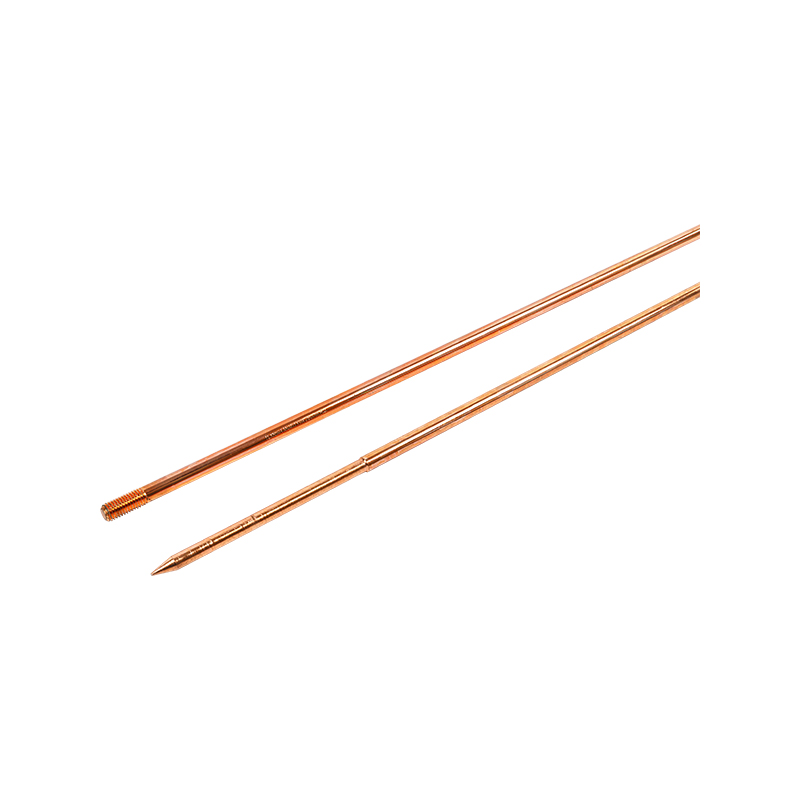
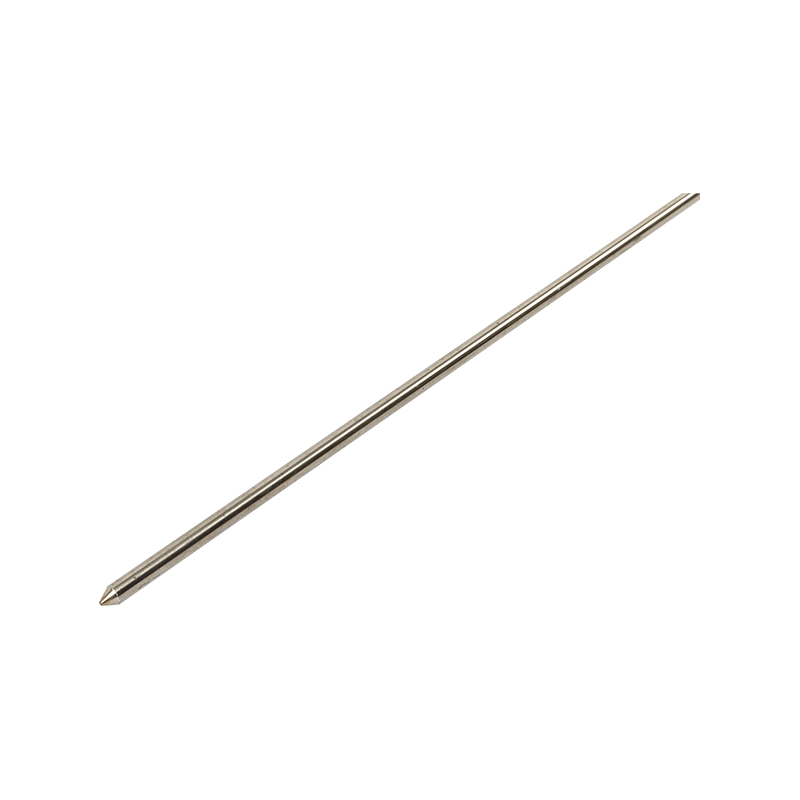
Rod clamps connect the conductor to grounding rods, ensuring a low-resistance path to earth. These are essential in outdoor installations, substations, and lightning protection systems.
4. Multi-Conductor Clamps
Multi-conductor clamps allow several grounding wires to be connected at a single point. This design simplifies complex earthing networks in industrial plants or high-rise buildings.
Materials and Durability
The material of earthing fixing clamps significantly affects their durability and performance. Common materials include copper, brass, and stainless steel. Each has advantages and limitations:
- Copper clamps offer excellent conductivity and corrosion resistance, ideal for high-performance grounding systems.
- Brass clamps provide a balance between strength and conductivity, often used in moderate industrial applications.
- Stainless steel clamps are preferred in corrosive environments, such as coastal regions, though they have slightly lower conductivity.
Choosing the right material ensures long-term safety and minimal maintenance, especially for outdoor or high-load installations.
Installation Best Practices
Proper installation is critical to guarantee the performance of earthing fixing clamps. Improper installation can lead to poor contact, increased resistance, and potential hazards.
1. Surface Preparation
Before attaching the clamp, clean the metal surface to remove rust, paint, or debris. Ensuring a bare, conductive surface maximizes electrical continuity.
2. Torque and Fastening
Tighten bolts to the manufacturer-recommended torque. Over-tightening can deform the clamp, while under-tightening may cause loose connections.
3. Environmental Considerations
For outdoor installations, use corrosion-resistant clamps and protective coatings. Avoid locations prone to water accumulation or chemical exposure.
Maintenance and Inspection
Regular inspection of earthing fixing clamps is necessary to maintain system reliability. Recommended practices include:
- Check for corrosion or rust, especially in outdoor installations.
- Verify mechanical tightness of bolts and screws periodically.
- Ensure electrical continuity using a multimeter or ground resistance tester.
- Replace damaged or worn clamps immediately to avoid system failure.
Consistent maintenance ensures long-term safety and reduces unexpected electrical hazards.
Applications in Industrial and Residential Systems
Earthing fixing clamps are widely used in diverse sectors. Some key applications include:
Industrial Plants
In industrial facilities, earthing clamps connect machinery, panels, and metal structures to a central grounding system. This prevents static build-up and protects equipment from voltage surges.
Commercial Buildings
Commercial electrical installations require multiple grounding points. Earthing fixing clamps ensure reliable connections to structural steel and electrical enclosures, maintaining safety for occupants and sensitive electronics.
Residential Installations
For homes, clamps are used to ground water pipes, electrical panels, and lightning protection rods. Correct installation reduces the risk of electrical shocks and fire hazards in domestic environments.
Comparative Performance Data
The following table shows performance comparisons of different earthing clamp materials:
| Material | Conductivity | Corrosion Resistance | Typical Applications |
|---|---|---|---|
| Copper | Excellent | High | Industrial, Substations |
| Brass | Good | Moderate | Commercial, Residential |
| Stainless Steel | Moderate | Excellent | Outdoor, Corrosive Environments |
 About Us
 +86-15167536268
 29, Xingmei Avenue, Xinchang, Zhejiang, China