

 English
 简体中文
简体中文
Earthing Conductors: Ensuring Electrical Safety
Earthing conductors are a fundamental component in electrical systems, providing a safe path for fault currents to the ground. They protect people, equipment, and property from electrical hazards such as shock, fire, and damage caused by lightning or short circuits.
By directing excessive electrical energy safely into the earth, earthing conductors maintain system stability and prevent dangerous voltage buildup on exposed metal parts.
Types of Earthing Conductors
Earthing conductors come in various forms, selected according to the installation environment and electrical system requirements:
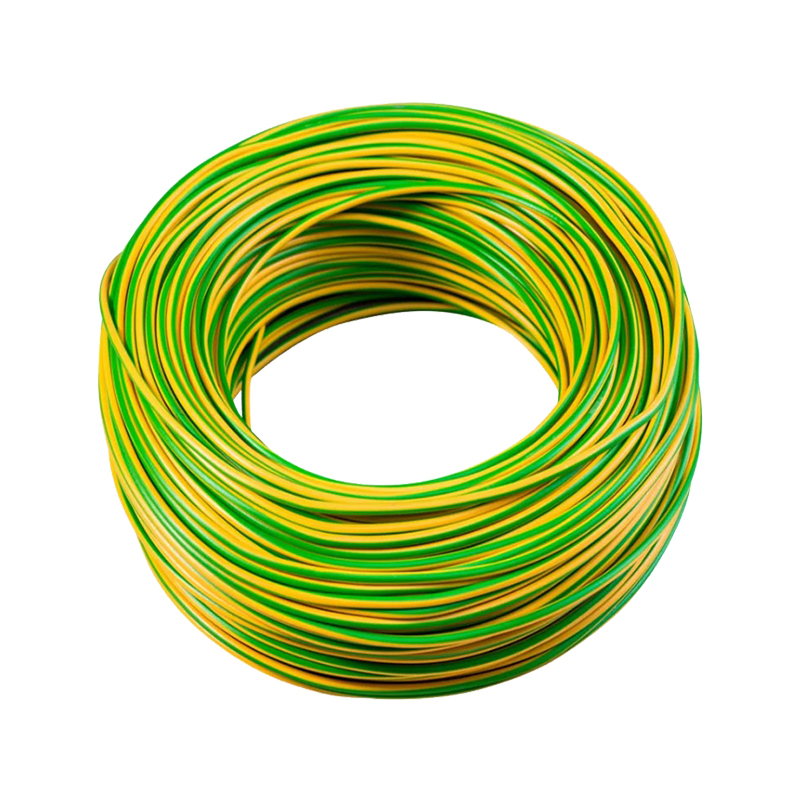
- Main Earthing Conductor: Connects the main electrical panel to the earth electrode, handling the highest fault currents.
- Supplementary Earthing Conductor: Provides additional paths for current, often used in industrial plants or complex installations.
- Bonding Conductors: Connect metal parts within the installation to prevent potential differences and ensure safety.
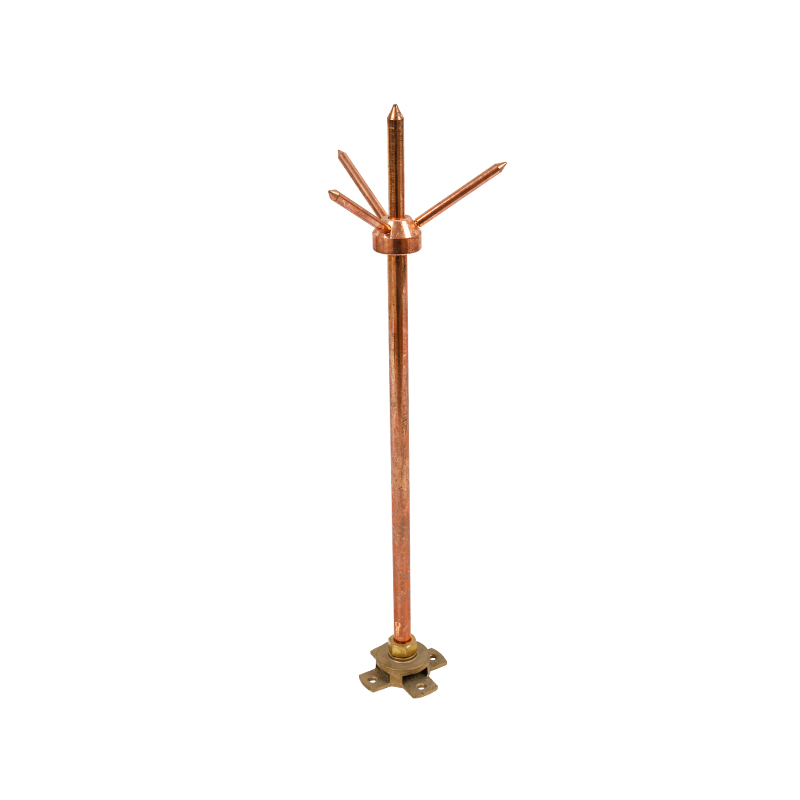
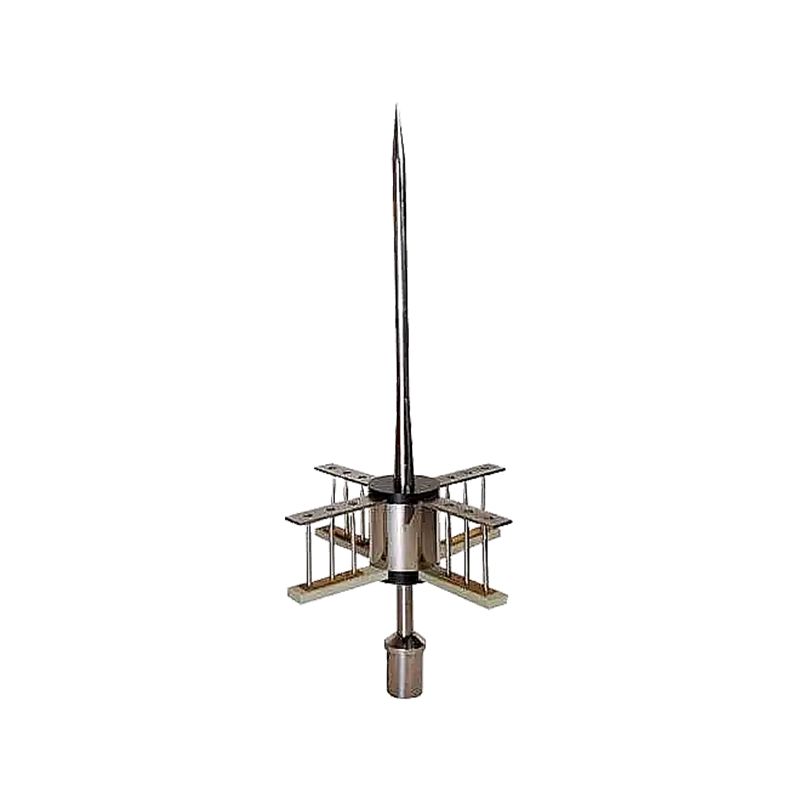
- Lightning Earthing Conductors: Specific conductors designed to safely carry lightning strikes to the ground.
Material Selection for Earthing Conductors
The choice of material for earthing conductors directly affects conductivity, durability, and corrosion resistance:
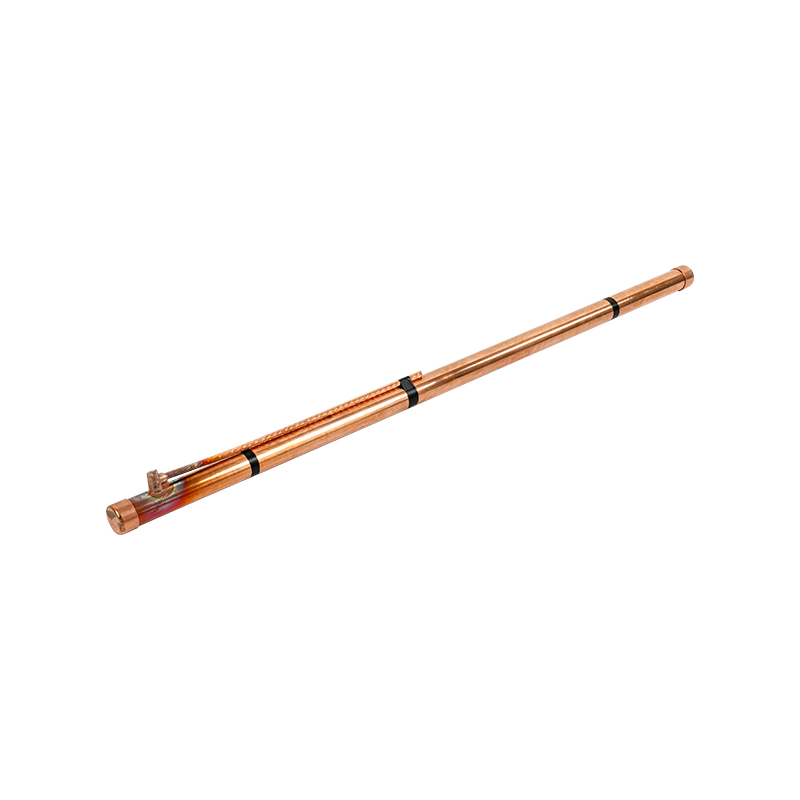
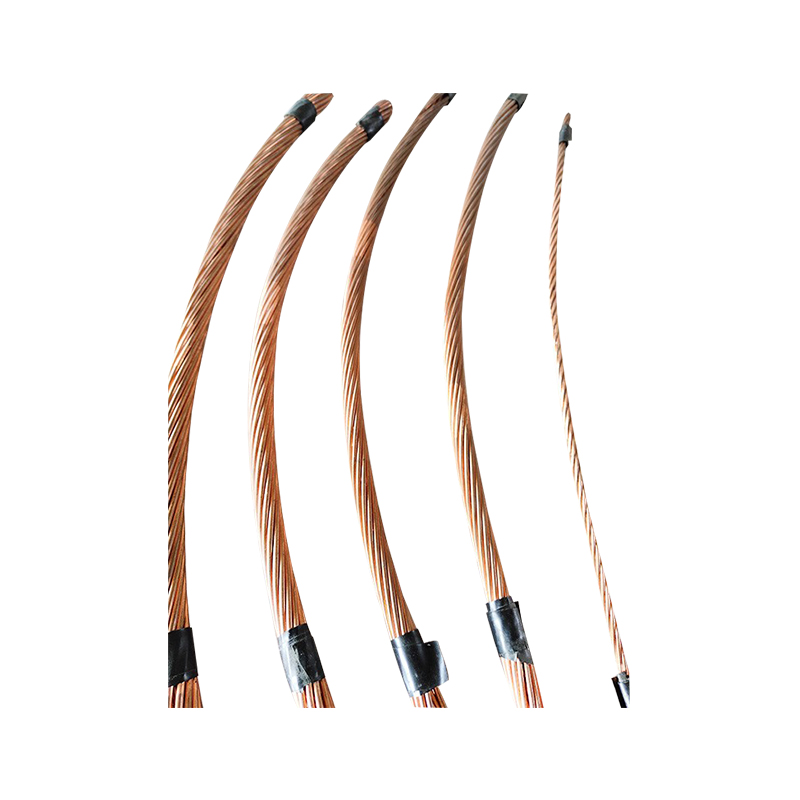
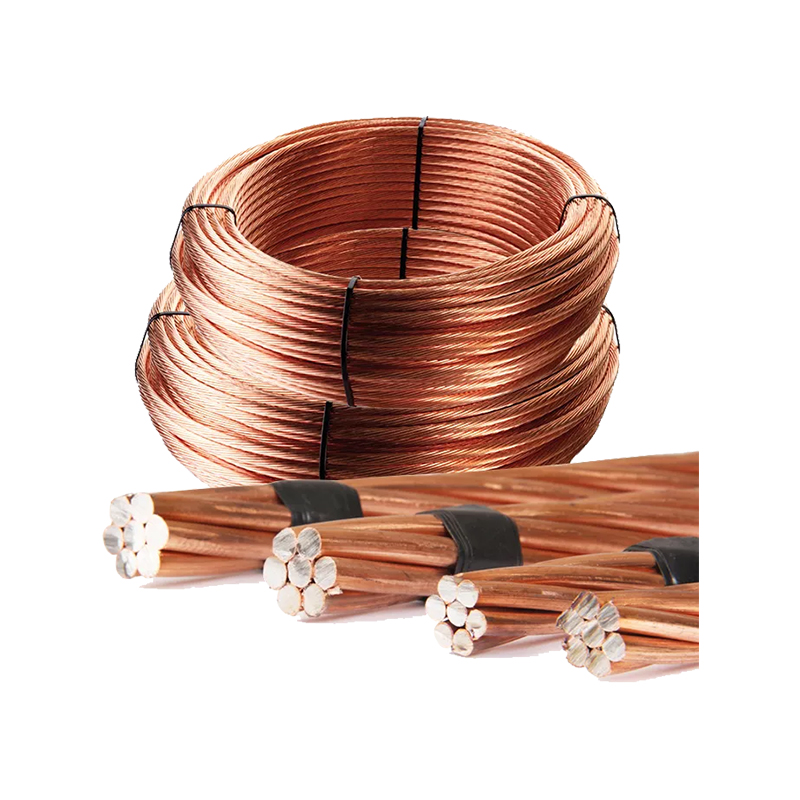
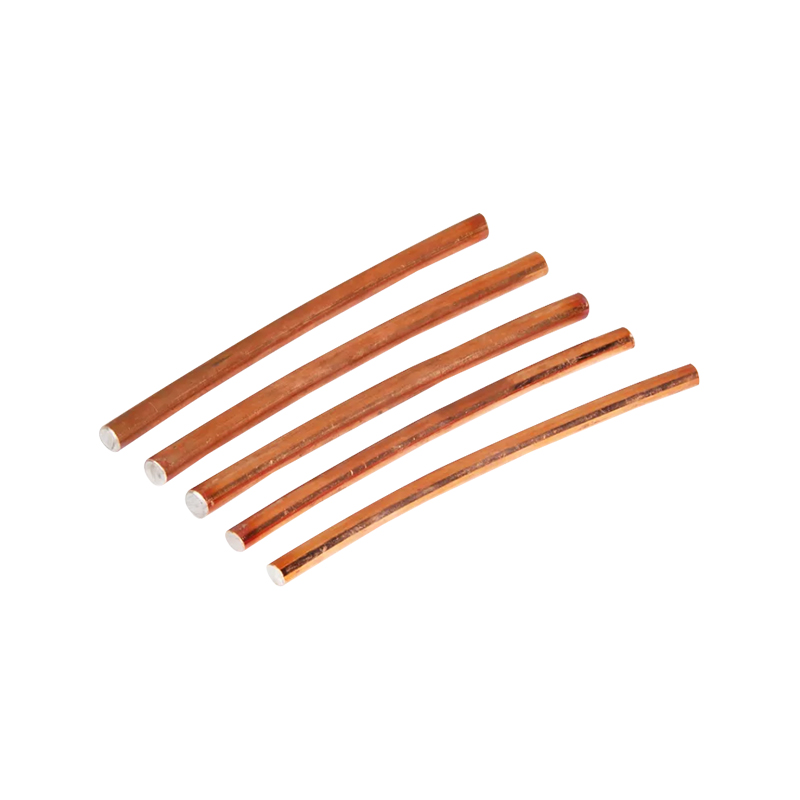
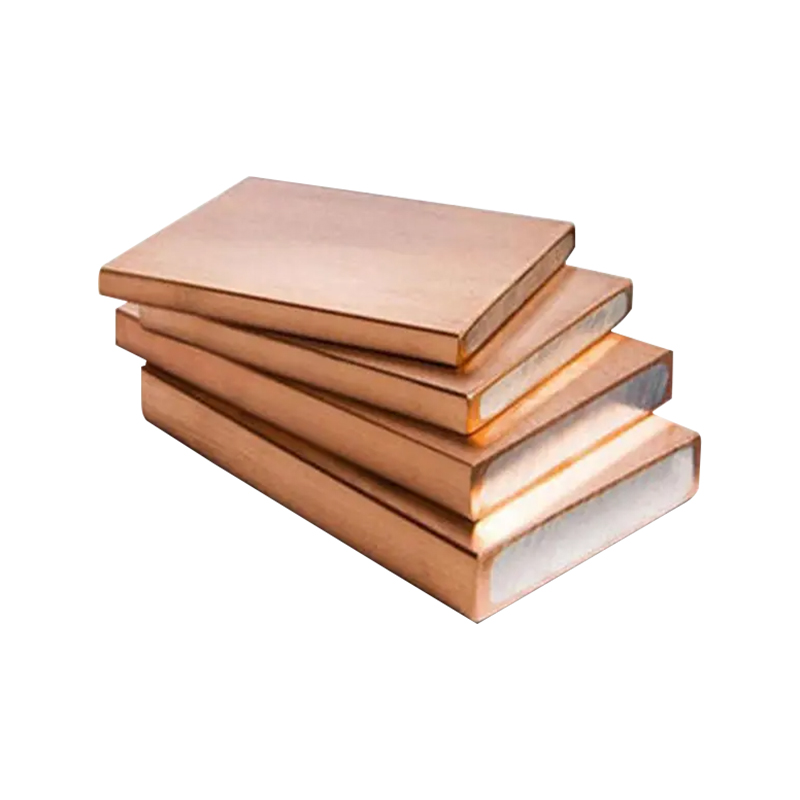
- Copper: Excellent conductivity and corrosion resistance, widely used in residential and commercial installations.
- Aluminium: Lighter and less expensive than copper, suitable for large-scale systems but requires careful connection to prevent oxidation.
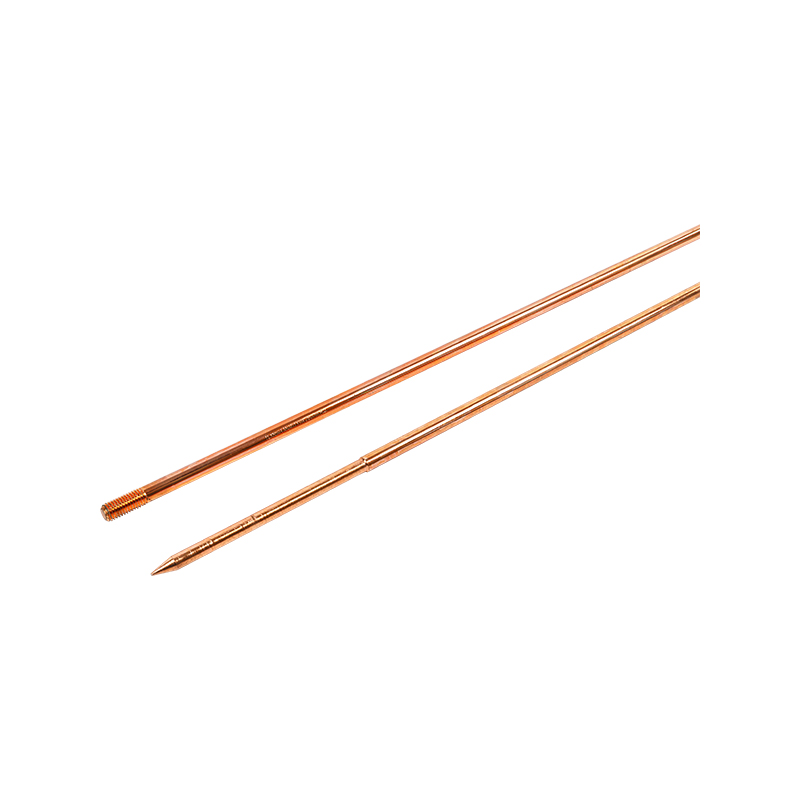
- Galvanized Steel: Cost-effective and strong, often used for outdoor grounding rods and lightning protection systems.
Installation Guidelines
Proper installation of earthing conductors is critical for safety and system performance. Key considerations include:
Earth Electrode Connection
Earthing conductors must be securely connected to earth electrodes, such as rods, plates, or mesh. Connections should be mechanically strong and corrosion-resistant to maintain long-term effectiveness.
Routing and Conductor Size
Conductors should follow the shortest practical path to the electrode, avoiding sharp bends. Cross-sectional size is determined based on system voltage, fault current, and regulatory standards.
Bonding of Metallic Parts
All exposed metal components, including pipes, enclosures, and structural parts, should be bonded to the earthing system to prevent potential differences that could cause electric shock.
Testing and Maintenance
Routine testing and maintenance ensure earthing conductors continue to provide protection:
- Continuity Testing: Verifies the conductor path is intact and not broken or corroded.
- Earth Resistance Measurement: Uses instruments such as earth resistance testers to ensure low resistance between conductor and earth.
- Visual Inspection: Checks for physical damage, corrosion, or loose connections.
- Periodic Maintenance: Includes tightening connections, replacing corroded sections, and cleaning electrodes.
Regulatory Standards and Compliance
Compliance with national and international standards ensures safety and legal conformity. Key standards include:
- IEC 60364: International standard for electrical installations, including earthing requirements.
- BS 7671: British standard covering wiring regulations and earthing conductor specifications.
- NEC (National Electrical Code): US standard defining grounding and bonding rules for electrical installations.
Applications of Earthing Conductors
Earthing conductors are vital across a wide range of electrical systems:
- Residential Buildings: Protect occupants from electric shocks and lightning strikes.
- Industrial Installations: Safeguard heavy machinery and control systems against fault currents.
- Power Transmission: Maintain stability in substations and high-voltage systems by providing a low-resistance path to ground.
- Telecommunications: Prevent equipment damage due to surges and electromagnetic interference.
Conclusion
Earthing conductors are essential for the safety, reliability, and efficiency of electrical systems. By selecting appropriate materials, following installation guidelines, and maintaining compliance with standards, electrical hazards can be effectively mitigated, protecting both people and equipment.


 About Us
 +86-15167536268
 29, Xingmei Avenue, Xinchang, Zhejiang, China