

 English
 简体中文
简体中文
Effective Grounding Rods: The Foundation of Electrical Safety
Grounding rods are essential components for ensuring electrical system safety. They provide a low-resistance path for electrical faults, lightning strikes, and static electricity to safely dissipate into the earth. Without properly installed grounding rods, electrical systems are prone to equipment damage, power surges, and safety hazards for personnel.
Types of Grounding Rods
Grounding rods come in various materials and designs, each suited to specific soil conditions and electrical requirements.
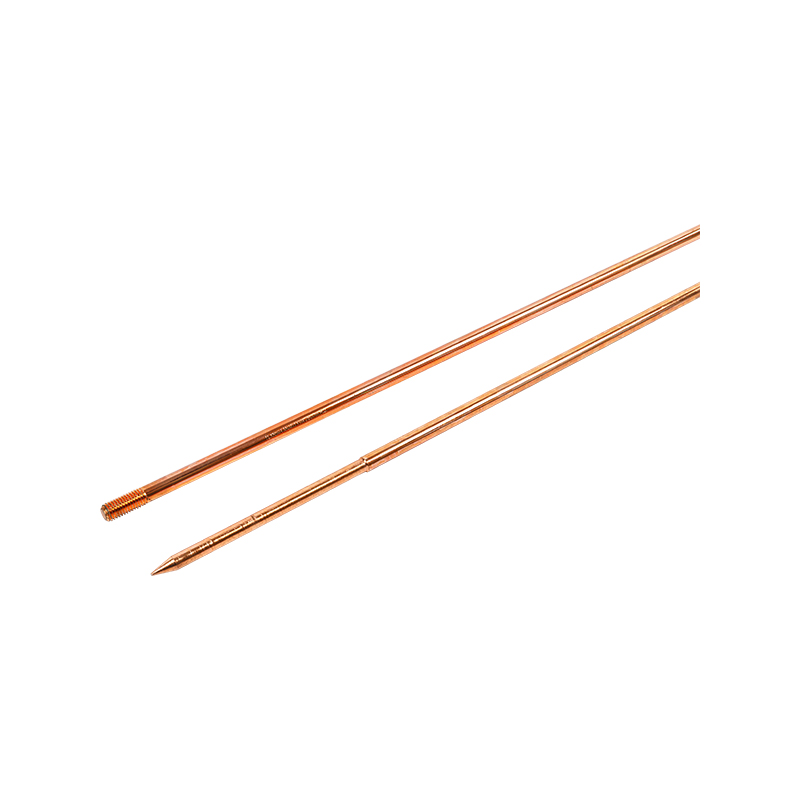
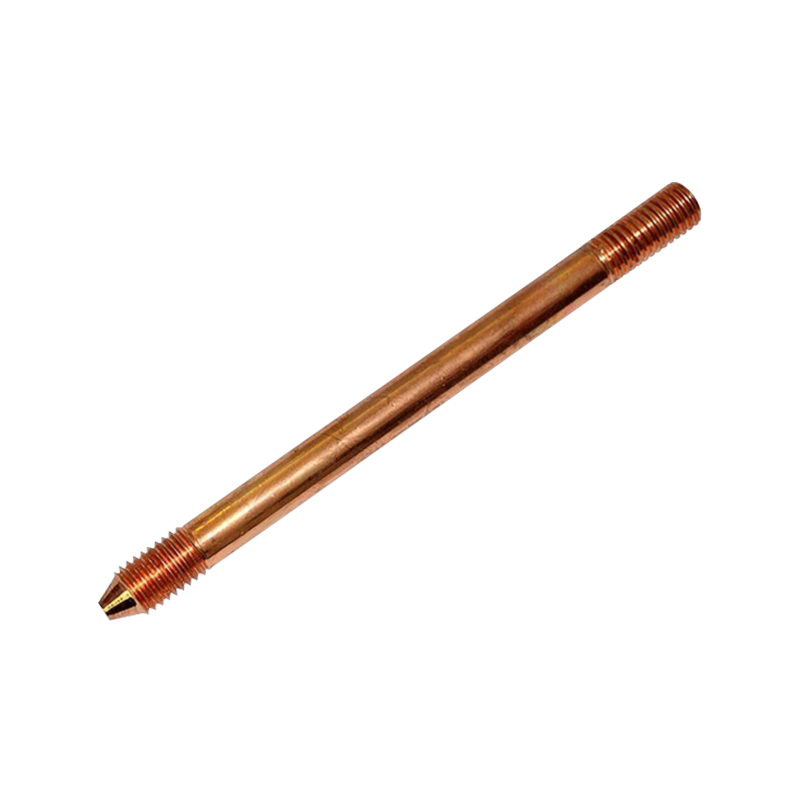
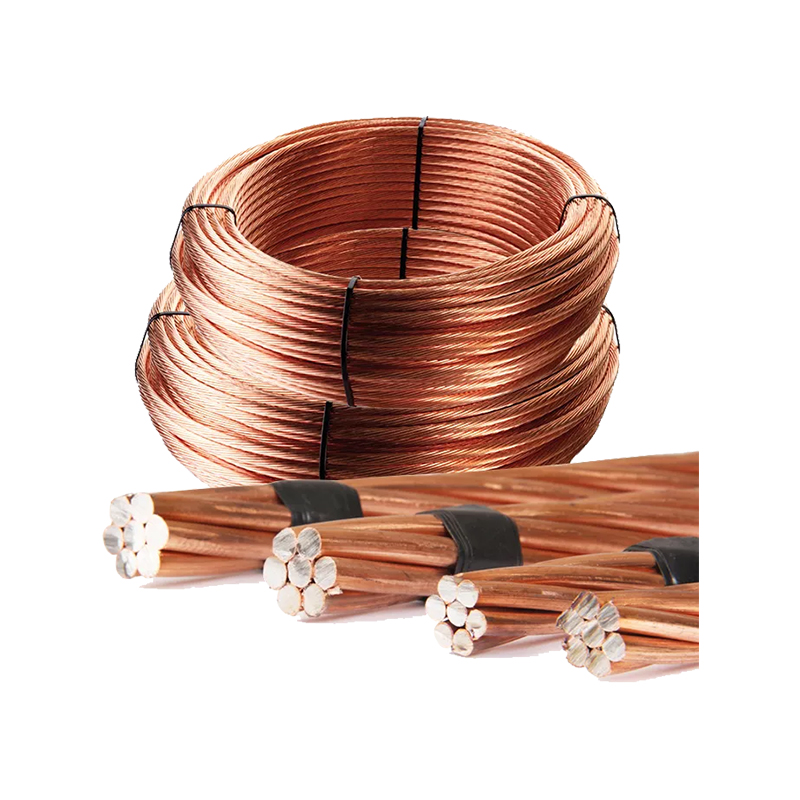
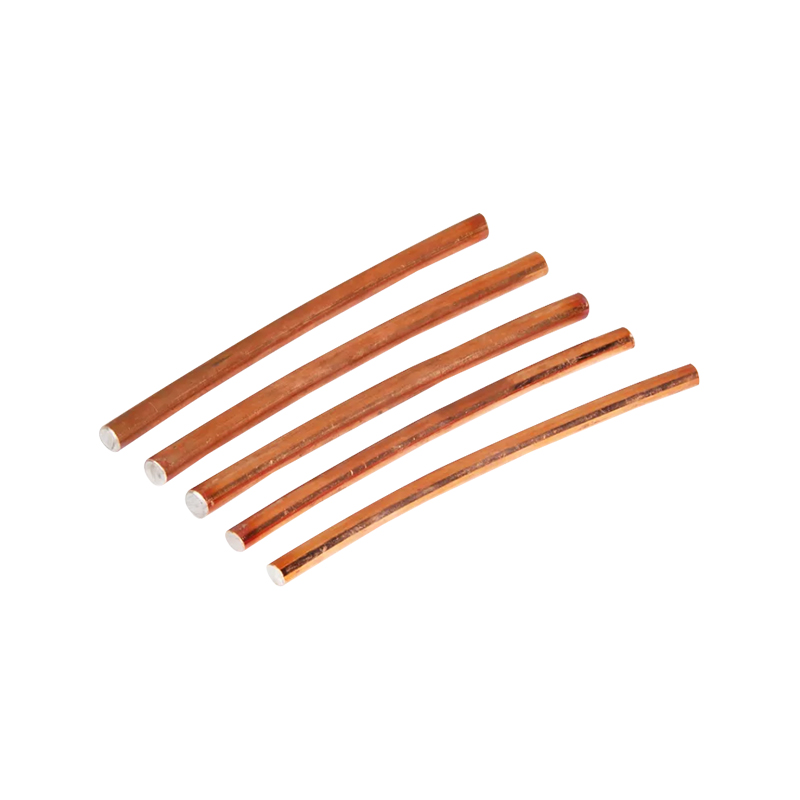
Copper-Clad Steel Rods
Copper-clad steel rods are the most common type, combining the strength of steel with the corrosion resistance of copper. They are highly effective in most soil conditions and have a typical lifespan of over 30 years.
Galvanized Steel Rods
Galvanized rods are coated with zinc to resist corrosion. While less expensive than copper, they may require replacement after 10–15 years in highly acidic or saline soils.
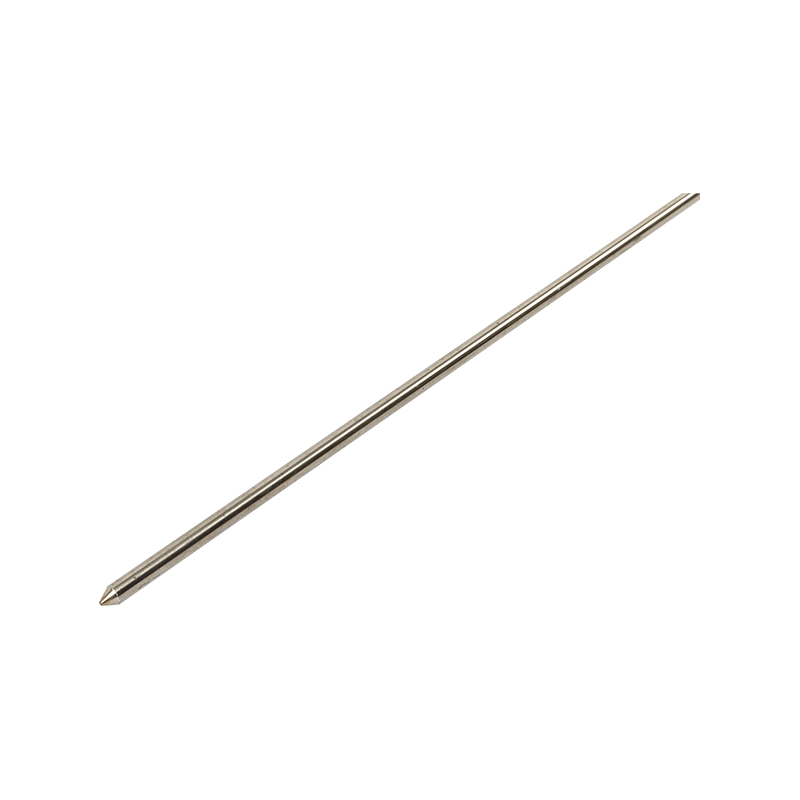
Stainless Steel Rods
Stainless steel rods are suitable for extreme soil conditions and industrial environments. They offer excellent corrosion resistance but come at a higher cost.
Grounding Rod Installation Methods
Proper installation ensures grounding rods perform optimally. Key factors include depth, spacing, and soil composition.
Driving the Rod into the Ground
Rods should be driven vertically into the soil to a depth that achieves a resistance of less than 25 ohms, which is recommended for residential systems. In challenging soil, multiple rods can be connected in series.
Rod Spacing and Series Connection
When using multiple rods, they should be spaced at least the length of one rod apart. Series-connected rods reduce overall resistance and improve system safety.
Factors Affecting Grounding Rod Performance
Several environmental and technical factors influence how effectively a grounding rod disperses electrical energy.
- Soil Resistivity: Moist, clay-rich soils provide lower resistance than sandy or rocky soils.
- Rod Material: Copper-clad rods outperform galvanized steel in longevity and conductivity.
- Rod Length: Longer rods achieve deeper contact with low-resistivity soil layers.
- Corrosion Protection: Rods exposed to acidic or saline conditions require corrosion-resistant coatings.
Measuring Grounding Rod Effectiveness
Grounding rod effectiveness is measured by its resistance to earth. The lower the resistance, the better the rod can safely discharge electricity.
| Soil Type | Typical Resistance (Ohms) |
|---|---|
| Clay | 10–15 |
| Sandy Soil | 25–35 |
| Rocky Soil | 40–60 |
Regular testing using an earth resistance tester ensures grounding rods maintain effectiveness over time. Adjustments may include adding additional rods or improving soil conductivity using chemical enhancements.
Maintenance and Longevity of Grounding Rods
Proper maintenance ensures long-term reliability. Inspect rods annually for corrosion, mechanical damage, and loose connections. In corrosive soils, consider using rods with sacrificial coatings or installing deeper rods for extended lifespan.
 About Us
 +86-15167536268
 29, Xingmei Avenue, Xinchang, Zhejiang, China