

 English
 简体中文
简体中文
Introduction to Grounding Rods and Their Role in Protection
Grounding rods are essential components in electrical systems that serve as a safety mechanism for protecting both equipment and personnel from the potentially damaging effects of electrical surges. These surges can be caused by a variety of factors, including lightning strikes, power line faults, and electrical malfunctions. When a high current event occurs, the grounding system provides a pathway for the excess electricity to safely dissipate into the ground, preventing damage to sensitive equipment and reducing the risk of fire or electric shock. However, ensuring that grounding rods can effectively handle high current, such as that generated by a lightning strike, requires careful consideration of various design and installation factors.
Understanding the Impact of High Current Conditions
When a lightning strike occurs, it generates an extremely high current, which can reach tens of thousands of amperes in a fraction of a second. If this current is not properly managed, it can cause severe damage to electrical equipment, melt wires, ignite fires, or lead to catastrophic system failures. In such conditions, grounding rods act as the primary means of safely directing the electricity away from the electrical equipment and into the earth, thereby reducing the potential for harm.
The main challenge in these situations is that the grounding rod must be capable of handling such high current without becoming overloaded or malfunctioning. The high energy from a lightning strike or similar surge must be safely dissipated into the ground, and the grounding system must be designed to handle the stress without breaking down. Effective grounding design ensures that all parts of the electrical system remain safe even under extreme conditions, preventing both damage to the equipment and hazardous safety risks.
Key Design Considerations for Grounding Rods
The effectiveness of grounding rods in high current conditions depends significantly on the design of the grounding system. Several key factors must be considered to ensure that the system can withstand the intense energy produced by lightning strikes and other high current events. These include the material of the grounding rod, its length, diameter, placement, and the surrounding soil conditions.
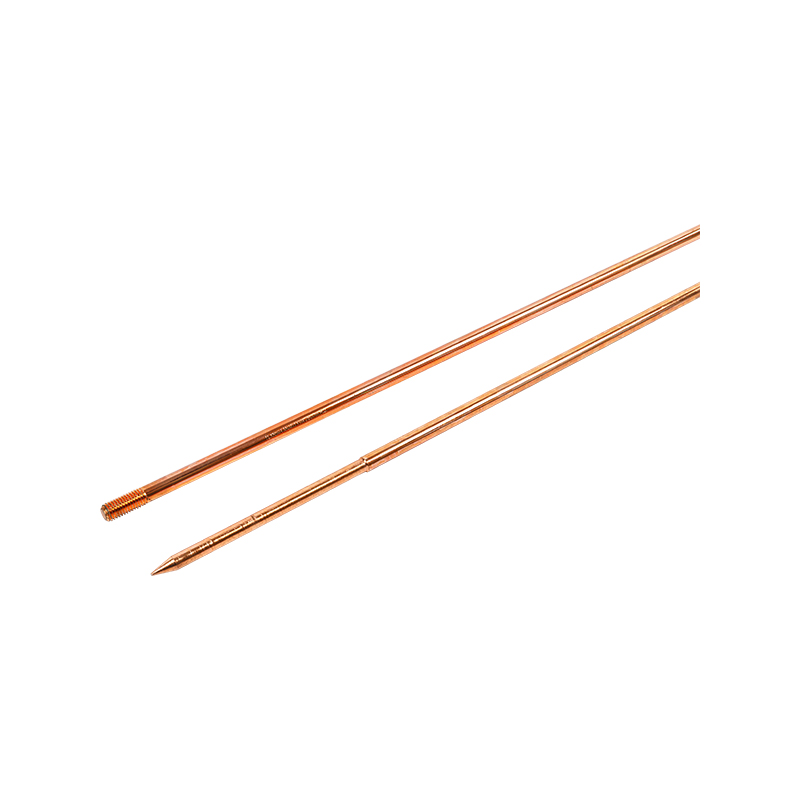
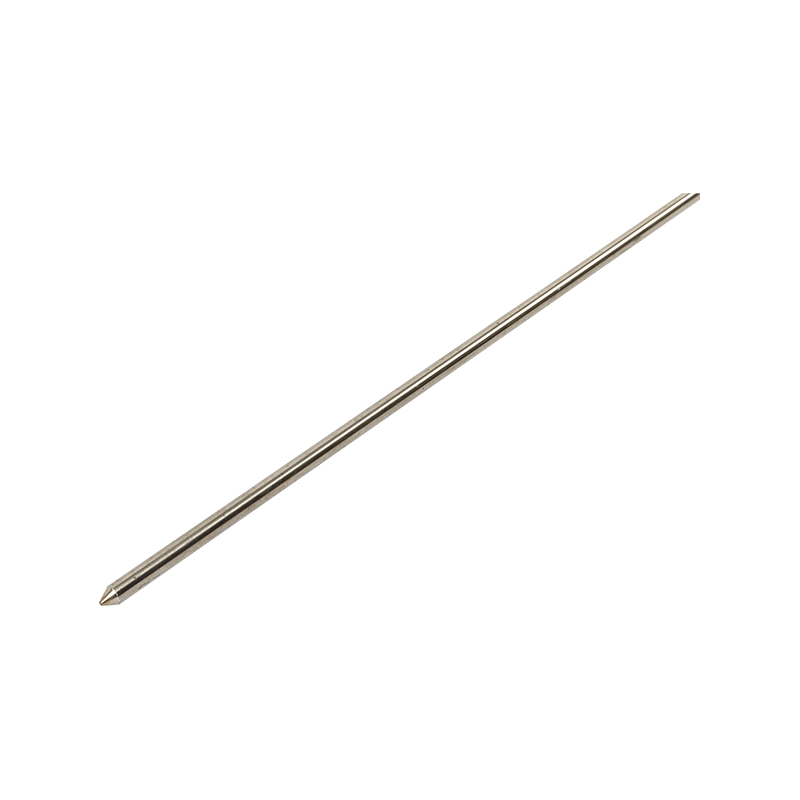
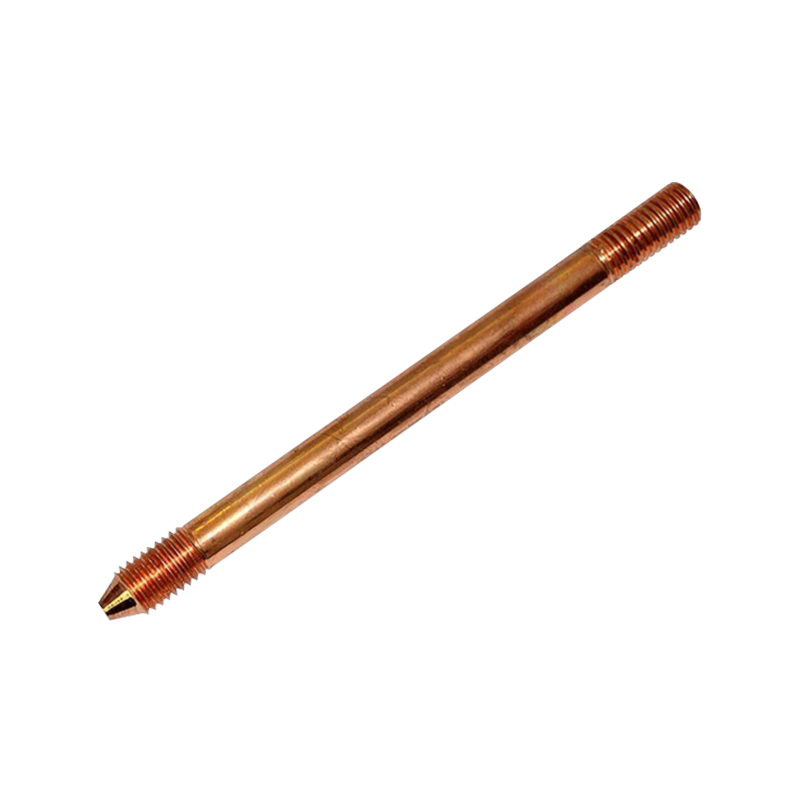
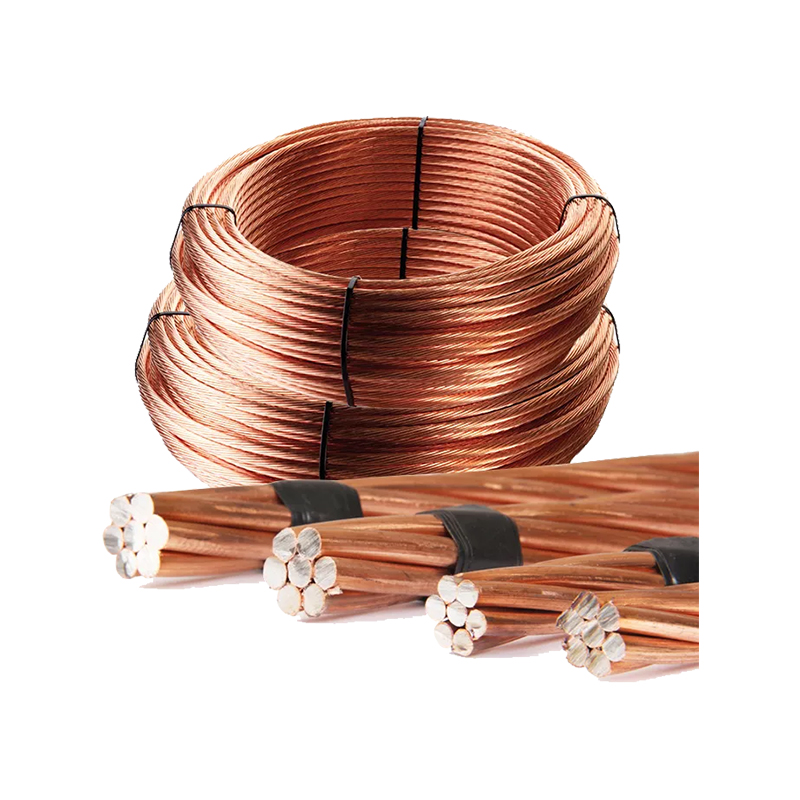
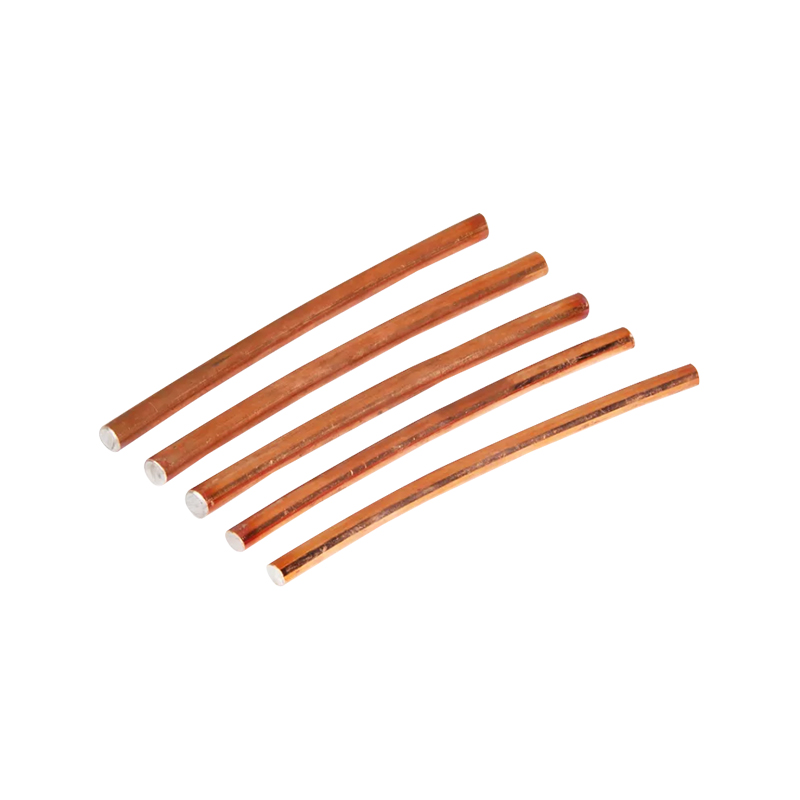
First, the material used for the grounding rod is critical. Copper and galvanized steel are common materials used for grounding rods due to their high conductivity and resistance to corrosion. Copper is especially effective because of its excellent ability to conduct electricity, which allows the current from a lightning strike to pass through the rod with minimal resistance. However, it can be more expensive than other materials, and its use may be limited in certain applications. Galvanized steel, while not as conductive as copper, is still a reliable material that offers good corrosion resistance and is often more cost-effective.
The length and diameter of the grounding rod are also important factors in ensuring effective current dissipation. Longer grounding rods can offer a greater surface area for electrical current to flow through, which helps to reduce the risk of excessive heat buildup. The diameter of the rod can also influence its ability to carry current, with larger diameter rods providing lower resistance to electrical flow. However, the correct length and diameter depend on the specific installation conditions, such as the type of soil and the expected magnitude of electrical surges.
Placement of Grounding Rods for Maximum Efficiency
Proper placement of the grounding rods is another crucial factor in ensuring that the system can handle high current conditions. The rods should be installed in locations that allow for effective dissipation of electrical energy into the ground. The depth of the rod installation is important for ensuring contact with soil that is both conductive and able to carry the electrical current safely away. Shallow installations may result in higher resistance and less effective current dissipation, while deeper installations that reach more conductive layers of soil tend to provide better performance.
In addition to depth, the number of grounding rods used can also affect the system’s efficiency. Multiple rods connected in parallel can help to distribute the current more evenly across the grounding system, reducing the chance of localized overheating and ensuring that the electrical surge is adequately spread out. In some cases, a network of interconnected rods or grounding plates can be used, creating a more robust grounding system capable of handling even larger surges.
Soil Resistivity and Its Influence on Grounding Performance
The type of soil surrounding the grounding rods plays a significant role in the system’s overall performance, especially when it comes to dissipating high currents. Soil resistivity refers to the ability of the soil to conduct electrical current, and it varies based on several factors, including moisture content, temperature, mineral composition, and density.
Soils with high resistivity, such as dry, rocky, or sandy soils, tend to offer more resistance to the flow of electrical current. This can make it harder for the grounding system to dissipate the energy from a lightning strike or surge, increasing the risk of equipment damage. In contrast, soils with low resistivity, such as those that are moist or rich in minerals, provide a better pathway for current flow, improving the effectiveness of the grounding system.
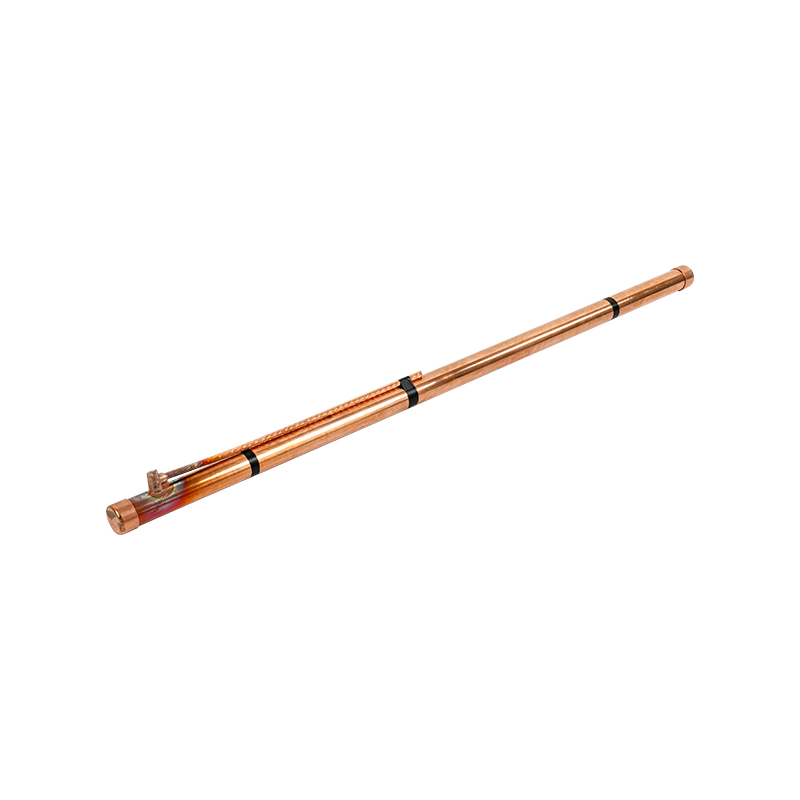
To improve the effectiveness of the grounding system in high-resistivity soils, techniques such as soil treatment can be used. By introducing materials like salt, charcoal, or conductive cement into the soil, it is possible to lower its resistivity and enhance its ability to carry current. Additionally, the use of specialized grounding electrodes, such as chemical grounding rods or copper-bonded rods, can also help improve performance in challenging soil conditions.
Grounding Rod Maintenance for Long-Term Effectiveness
To ensure that grounding rods continue to function effectively under high current conditions over time, proper maintenance is essential. Over time, grounding rods can experience corrosion, especially when exposed to moisture or other environmental factors. Corrosion can increase the resistance of the grounding system and reduce its ability to carry electrical current, leading to inefficiencies and increased risks in the event of a lightning strike or power surge.
Regular inspections should be conducted to check for signs of corrosion or damage to the grounding rods. If corrosion is detected, the affected rods may need to be cleaned, replaced, or treated with anti-corrosion coatings. In addition to checking for corrosion, the grounding system should be inspected for any loose connections, damaged wiring, or other issues that could affect its ability to handle high current events. By ensuring that the system remains in good condition, it will continue to provide reliable protection against electrical surges.
Surge Protection Devices and Their Role in Enhancing Grounding Effectiveness
While grounding rods are an important part of a comprehensive surge protection strategy, they work most effectively when combined with other protective measures. Surge protection devices (SPDs) are commonly used in electrical systems to provide an additional layer of defense against high current conditions such as lightning strikes.
Surge protection devices are designed to divert excess voltage away from sensitive equipment and redirect it to the grounding system. These devices typically include components such as arresters, varistors, and gas discharge tubes, which act to absorb and dissipate the energy from electrical surges. By using SPDs in conjunction with grounding rods, the overall protection system becomes more robust and capable of handling extreme conditions, ensuring that the equipment is protected from damage.
Testing and Monitoring Grounding Systems
Regular testing and monitoring are vital for ensuring that grounding systems can effectively protect equipment under high current conditions. Ground resistance testing is commonly performed to measure the resistance of the grounding system and ensure that it is within acceptable limits. If the resistance is too high, the system may not be able to handle the current from a lightning strike or power surge effectively, which could result in equipment damage.
Monitoring systems can also be used to continuously track the performance of the grounding system. These systems can measure factors such as voltage, current, and temperature, providing real-time data that can help identify issues before they become serious. If the system detects any irregularities, maintenance or adjustments can be made to prevent damage during high current events.
 About Us
 +86-15167536268
 29, Xingmei Avenue, Xinchang, Zhejiang, China