

 English
 简体中文
简体中文
Lightning rods protect structures only when the entire lightning protection system is designed, installed, and maintained as one unit. A rod without a proper grounding path is just a metal spike on the roof. This is the first thing experienced engineers check when reviewing a protection scheme, and it is also a common point of confusion for buyers who shop for lightning rods by price alone.
What a Lightning Rod Actually Does
A lightning rod, also called an air terminal, provides a controlled point of attachment for a strike that is already forming near a structure. It does not attract lightning from distant storms, and it does not prevent lightning from occurring. What it does is give the strike a preferred path: from the air terminal, through the down conductor, and into the earth termination system, where the energy is dissipated into the soil.
The function depends on three links in a chain. The air terminal intercepts the strike. The down conductor carries the surge from the roof to ground level. The earthing system dissipates the current. If any one link is weak, the protection chain fails. A high-quality rod paired with undersized conductors or poor grounding will not protect the building; it simply moves the failure point to a less predictable location.
Types of Lightning Rods: Needle-Type vs ESE
Two types of lightning rods dominate commercial and industrial procurement: conventional needle-type terminals and early streamer emission (ESE) terminals. Both intercept lightning, but they operate differently and are accepted to different degrees across markets.
Conventional Needle-Type Lightning Rods
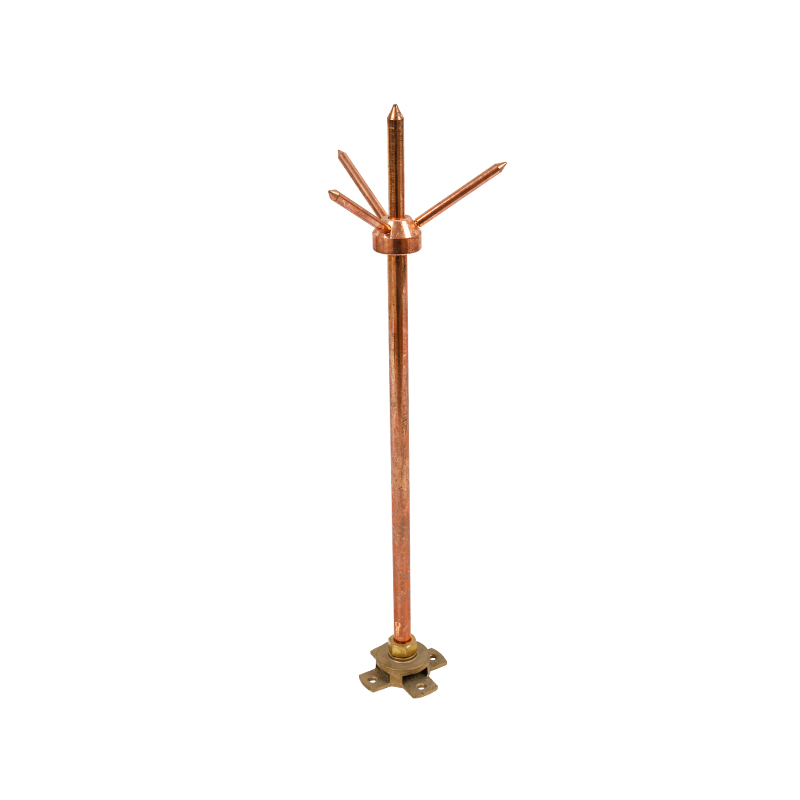
A conventional needle-type lightning rod is a passive air terminal with no active electronics or triggering mechanism. Its protection radius is determined by its mounting height and is typically calculated using the rolling sphere method defined in standards such as IEC 62305. For most industrial buildings, substations, and telecommunication towers, this type of rod remains the most straightforward and cost-effective solution. It has no moving parts, requires no power supply, and behaves predictably under surge conditions.
ESE Lightning Rods
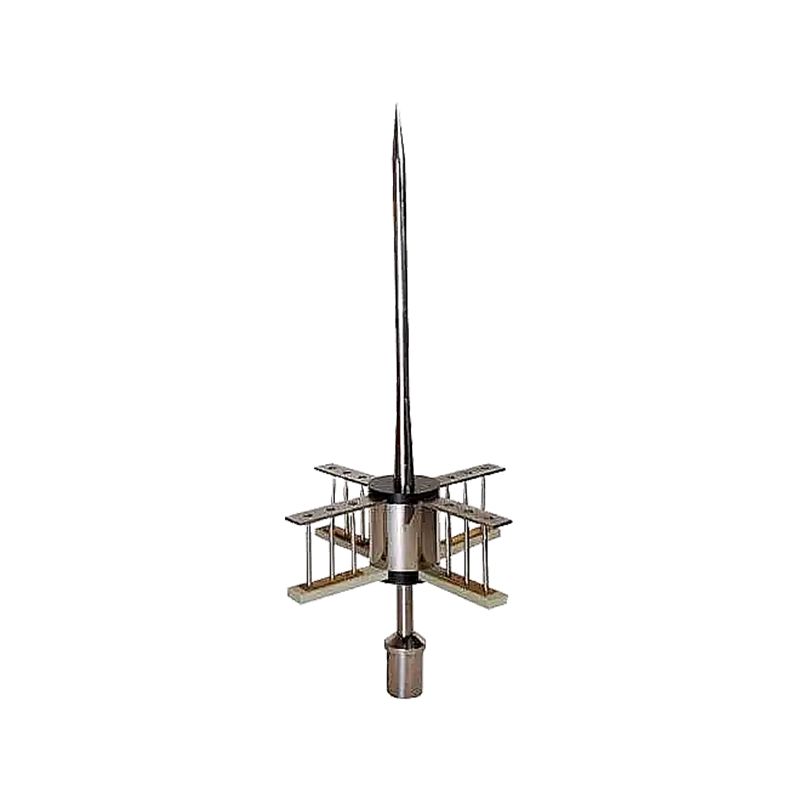
An ESE lightning rod is designed to generate an upward streamer earlier than a conventional rod under identical conditions. The claim is that earlier streamer initiation gives the ESE terminal a larger protection radius, which can reduce the number of terminals needed on large roofs or open structures. ESE rods are commonly specified for logistics centers, sports facilities, and large industrial roofs where installing many conventional terminals is impractical. Buyers should verify that the ESE unit carries the relevant certification for the target market and that the protection radius calculation follows the manufacturer's documented methodology.
| Parameter | Needle-Type Rod | ESE Rod |
|---|---|---|
| Operating principle | Passive interception | Early streamer emission |
| Protection radius | Determined by height and rolling sphere method | Larger claimed radius per manufacturer data |
| Typical applications | Industrial plants, towers, substations | Large roofs, logistics centers, stadiums |
| Maintenance | Minimal visual inspection | Periodic verification of electronics |
| Unit cost | Lower | Higher |
Materials and Corrosion: Matching the Rod to the Environment
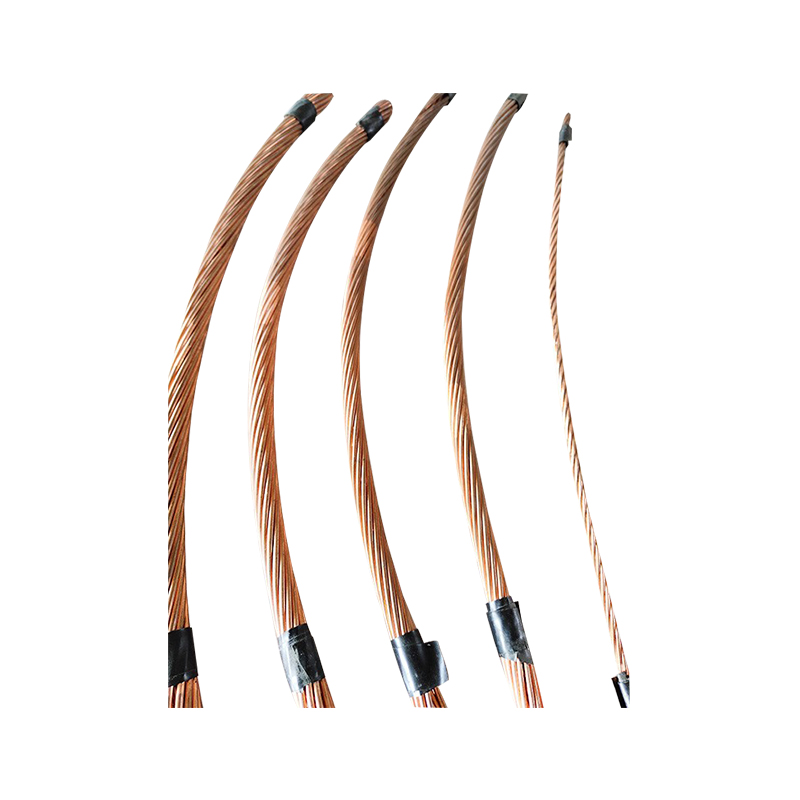
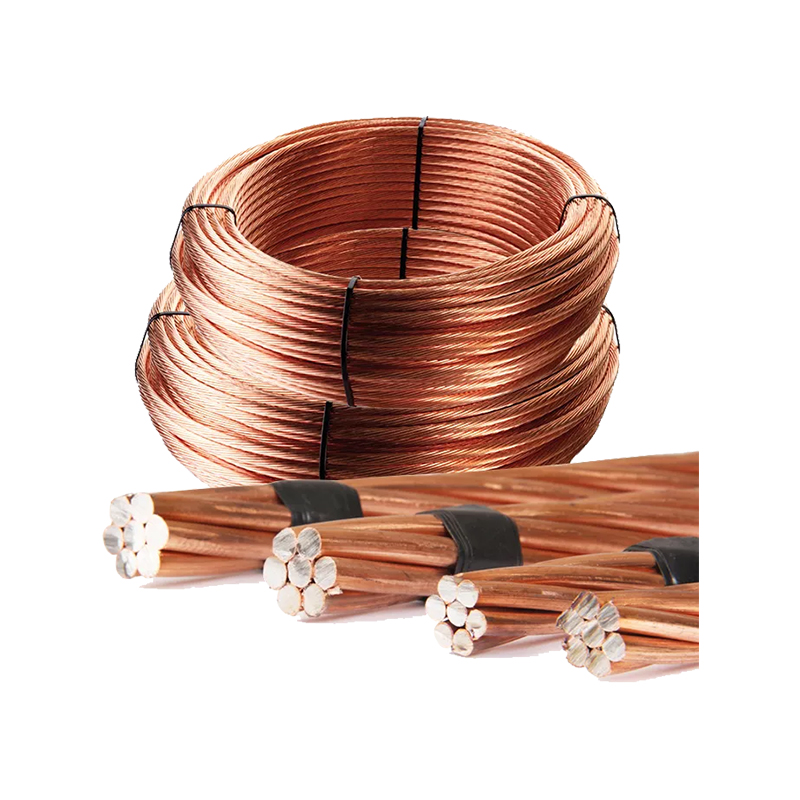
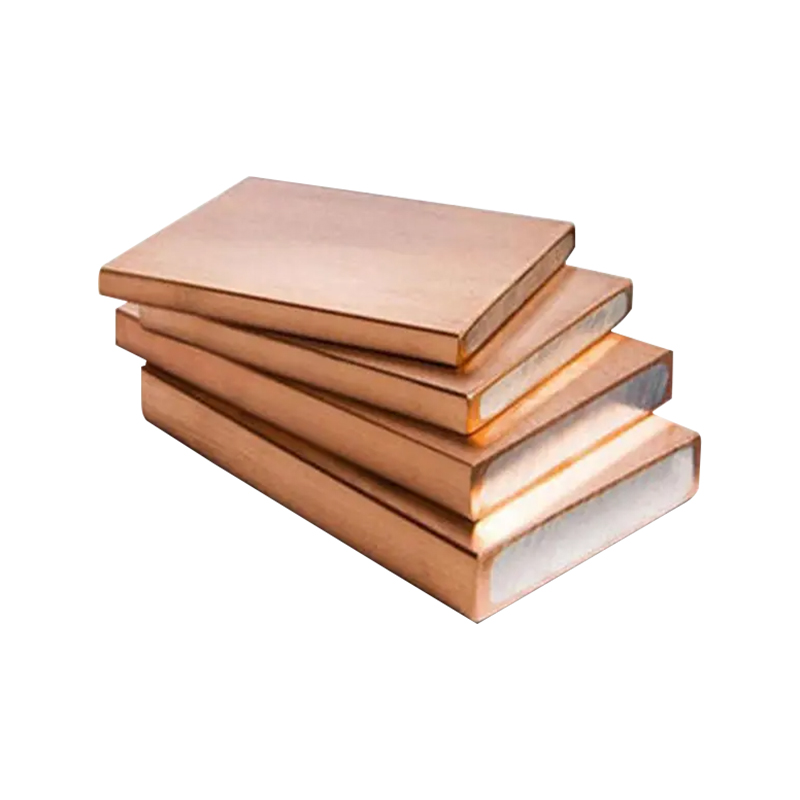
Lightning rods remain exposed to weather, UV radiation, salt spray, and industrial pollutants for decades. Material selection directly affects service life and maintenance cost. Copper is the classic choice for air terminals and down conductors because of its high conductivity and superior corrosion resistance. Copper-clad steel offers a practical compromise: the conductivity and corrosion performance of copper on the surface, with the mechanical strength of a steel core at a lower material cost. Stainless steel is preferred where mechanical abuse, vibration, or particularly aggressive chemical environments are present. For coastal installations, the combination of salt-laden air and high humidity accelerates corrosion on ordinary galvanized components. In these environments, copper or copper-clad materials with sealed connections typically provide the longest service life.
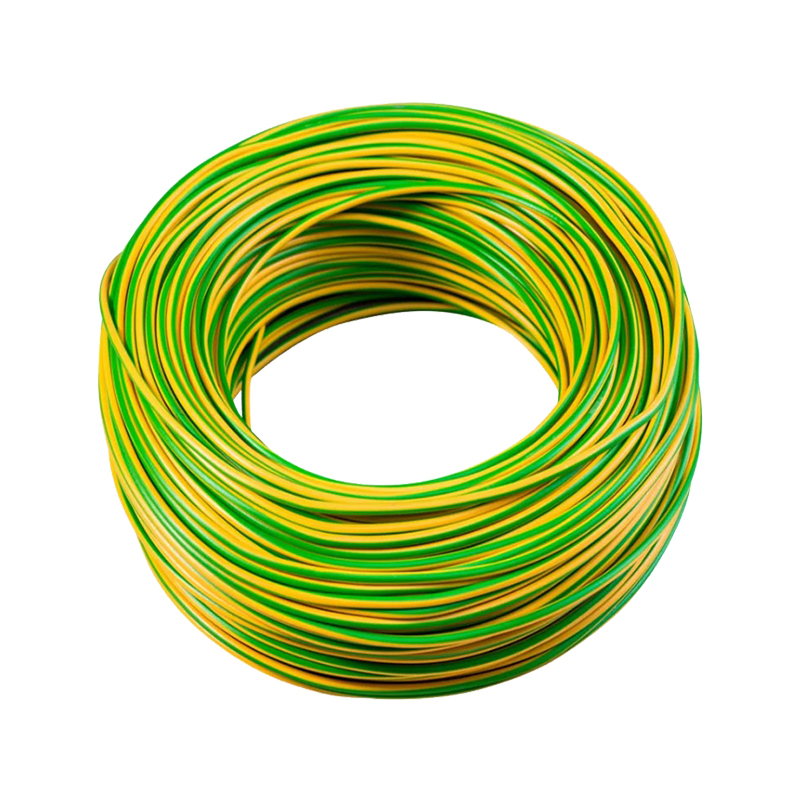
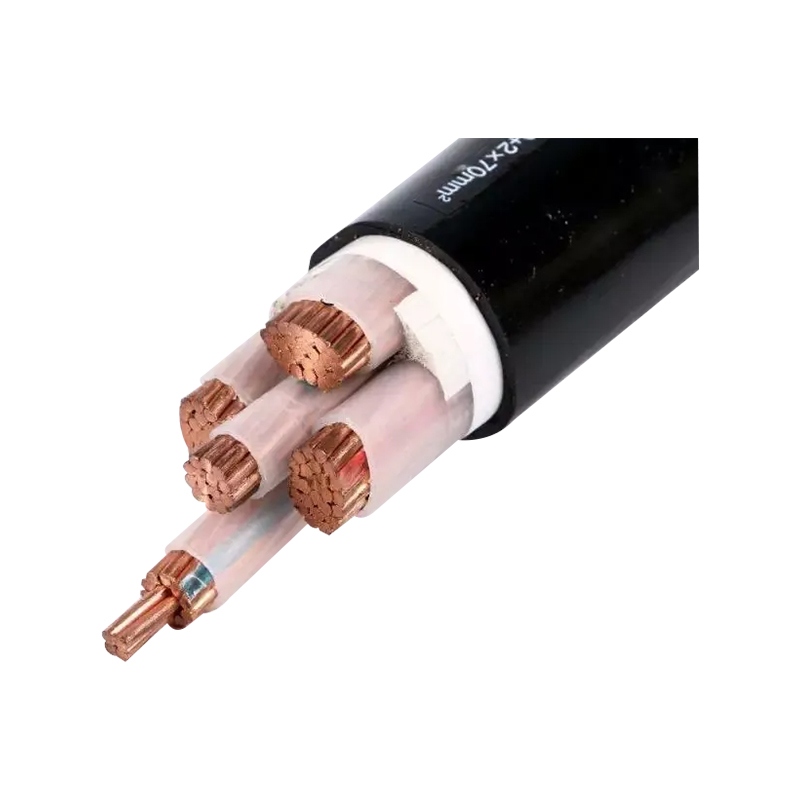
The same material logic applies to the rest of the earthing path. If the rod is copper but the down conductor is galvanized steel, bimetallic corrosion can develop at the junction. Consistent material selection across the air terminal, down conductor, and grounding electrode reduces long-term maintenance surprises and keeps contact resistance stable.
The Grounding Side: Where the Surge Actually Goes
A lightning rod is only the visible tip of the protection system. The current that the rod intercepts must be conducted into an earthing network with sufficiently low resistance to dissipate the surge without producing dangerous step and touch voltages. For a typical lightning protection system, the earth termination network consists of grounding rods, horizontal conductors or tapes, and connections that maintain low impedance over the installation's service life.
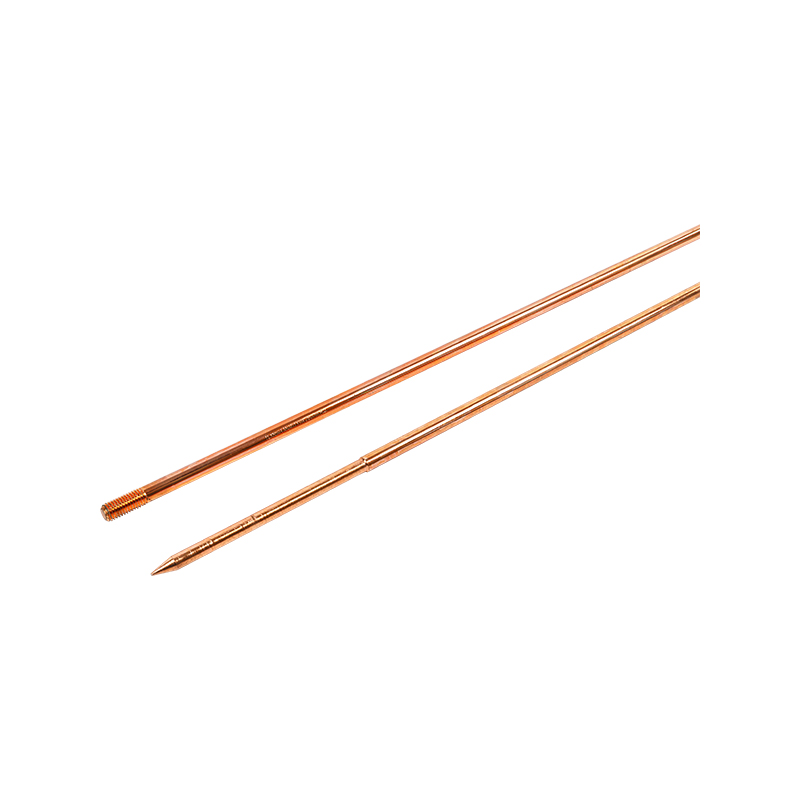
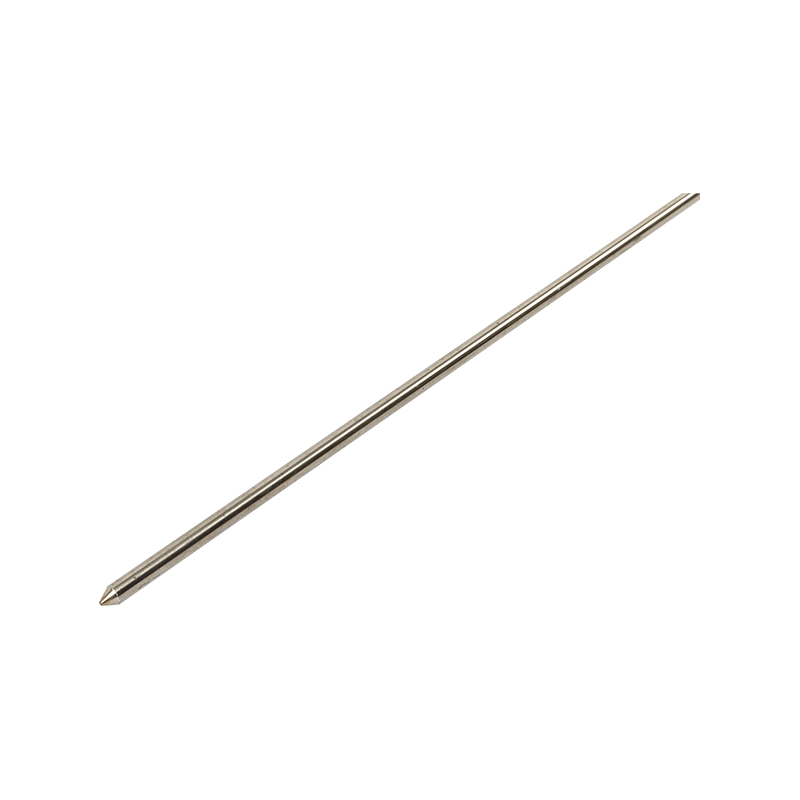
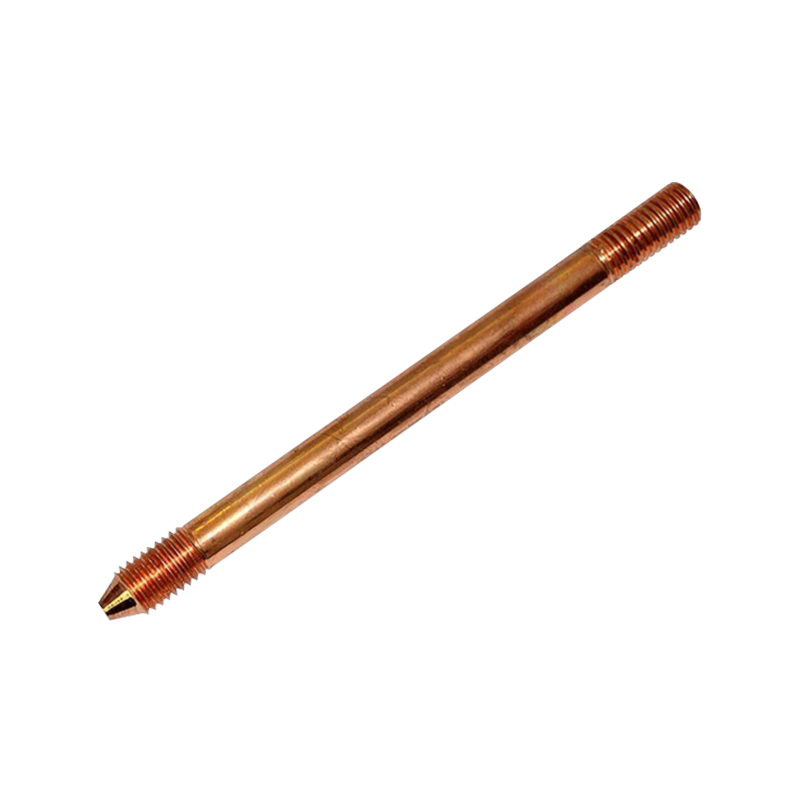
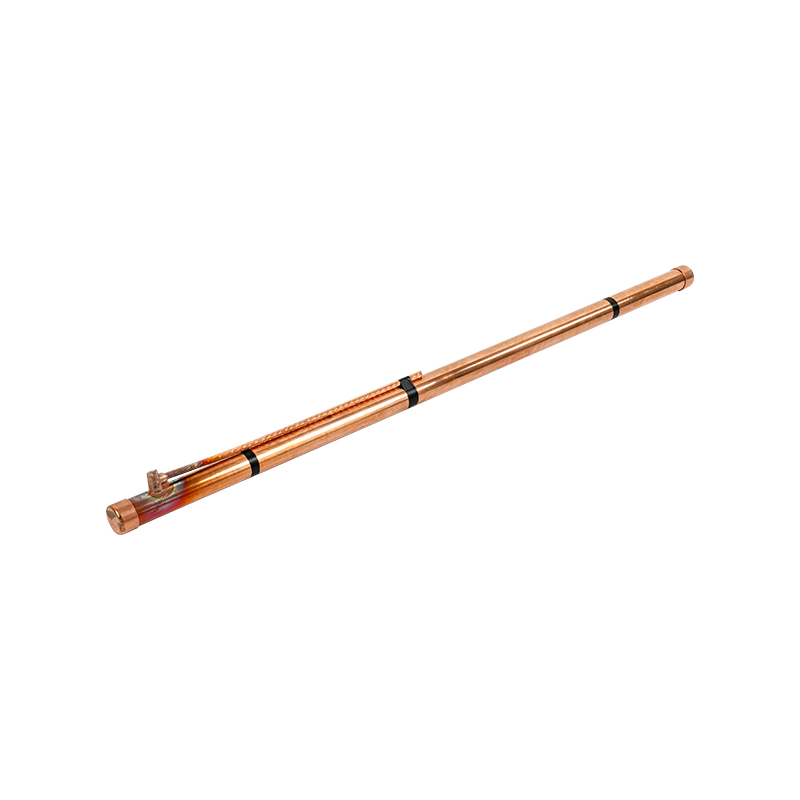
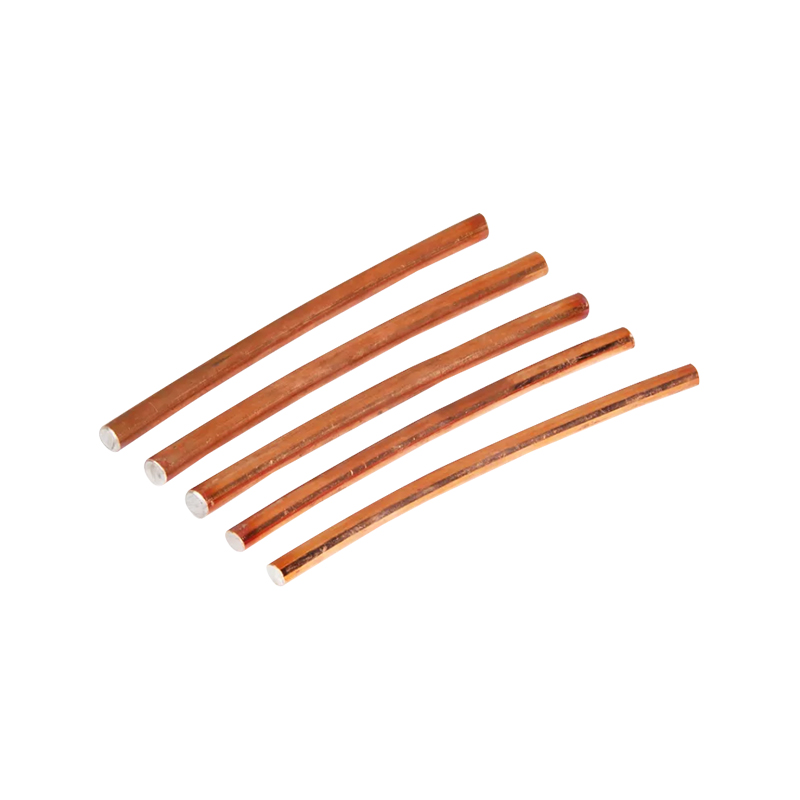
Grounding rods are available in copper-bonded steel, pure copper, stainless steel, and galvanized steel. The choice depends on soil resistivity, required service life, and the corrosion environment. In high-resistivity soils, multiple rods spaced apart, or chemical grounding rods with conductive backfill, can bring resistance down to an acceptable range. For most projects, copper-clad steel grounding rods offer the best balance of conductivity, mechanical strength, and cost.
The connections between the down conductor and the earthing network are just as critical as the rods themselves. Mechanical clamps are fast to install and easy to remove, but exothermic welding produces a molecular bond that does not loosen under thermal cycling and does not corrode at the joint. For critical installations, exothermic welded connections are widely regarded as the standard practice for permanent grounding joints.
Selection and Installation Considerations
Choosing the right lightning rod is not a one-size-fits-all exercise. The following factors should be part of any procurement specification.
Assess the Structure and Its Risk Profile
Start with a risk assessment based on the structure's height, location, occupancy, and the value of the equipment inside. IEC 62305 defines four lightning protection levels, each with different interception probabilities and corresponding design parameters. The risk assessment determines whether protection is required and, if so, what level is appropriate for the structure.
Calculate the Protection Radius Correctly
For needle-type rods, the rolling sphere method is the most widely accepted way to determine the protected zone. The sphere radius depends on the protection level: 20 meters for Level I, 30 meters for Level II, 45 meters for Level III, and 60 meters for Level IV. A rod that is too low or mounted in the wrong position can leave a significant portion of the roof unprotected. For ESE rods, the manufacturer's documented radius calculation should be reviewed and validated against the applicable national standard.
Plan the Down Conductor Route
Down conductors should follow the shortest practical path from the air terminal to the earthing network, avoiding sharp bends that increase impedance. Each bend in the conductor adds inductive reactance, which raises the voltage drop during the fast-rising lightning current. The routing of down conductors is therefore a design consideration, not just an installation detail.
Plan for Inspection and Testing
Lightning protection systems require periodic inspection. Down conductors should be checked for mechanical damage, corrosion, and loose connections. Grounding resistance should be measured regularly, and records kept to track trends over time. Lightning protection systems that include grounding inspection pits allow test access to the earth termination without excavation, which is why pits are increasingly specified in industrial installations.
Lightning rods are proven technology, but their effectiveness depends on the quality of the entire system and the care taken in selection, installation, and maintenance. For procurement teams, the key is to treat the rod, the down conductor, and the earthing network as one integrated solution. A manufacturer that can supply the full chain and provide practical guidance on material selection and installation is a more valuable partner than one that simply ships a single rod.
 About Us
 +86-15167536268
 29, Xingmei Avenue, Xinchang, Zhejiang, China