

 English
 简体中文
简体中文
The Verdict: Copper Earthing Conductors Provide 50-Year Service Life
For electrical grounding systems, earthing conductors (grounding electrodes and bonding conductors) must carry fault currents safely to earth. Copper earthing conductors provide 40-50 years of service life in most soils, compared to 15-25 years for galvanized steel and 5-10 years for bare steel. The direct conclusion: select earthing conductors based on material (bare copper > tinned copper > galvanized steel > stainless steel), cross-sectional area (AWG size based on fault current), and connection method (exothermic welding > compression > mechanical clamps). For a typical residential service (200A, 120/240V), a #4 AWG bare copper conductor is the minimum per NEC 250.66. For substations and industrial facilities, 4/0 AWG to 500 kcmil copper conductors are common to handle fault currents up to 50 kA.
Conductor Materials: Copper vs. Galvanized Steel vs. Stainless
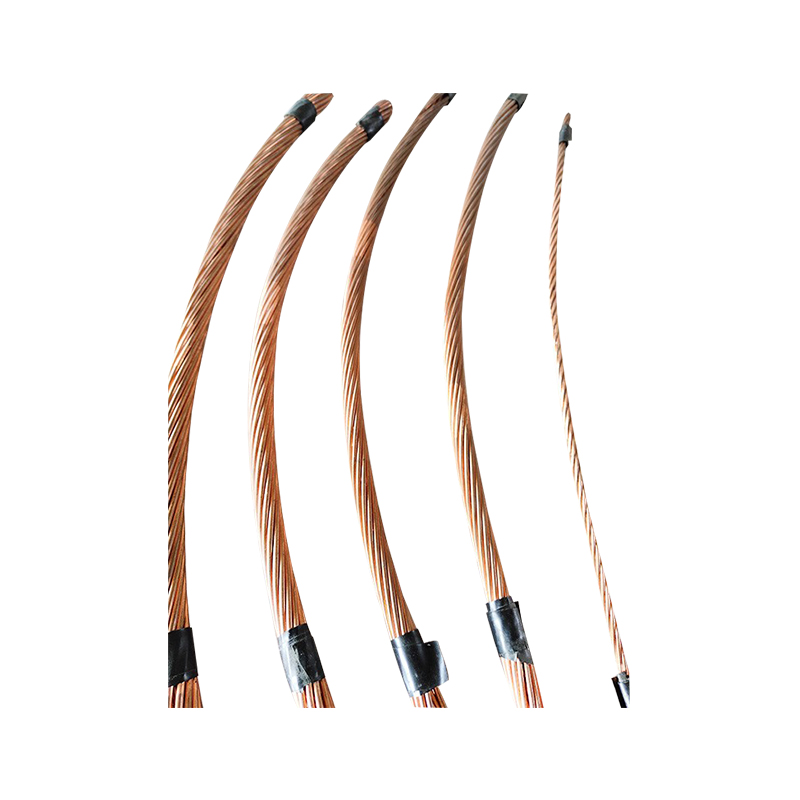
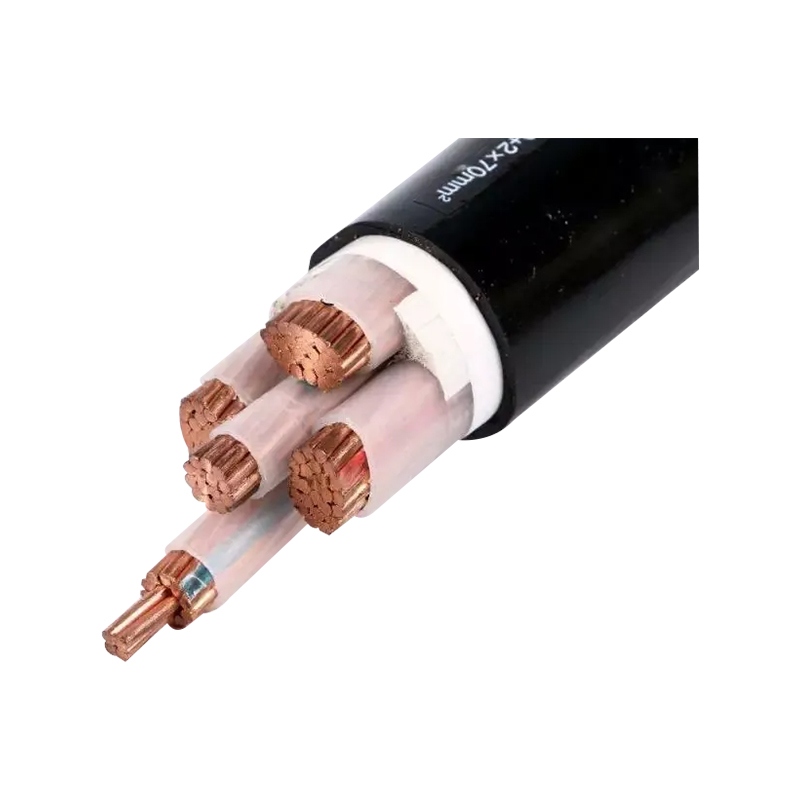
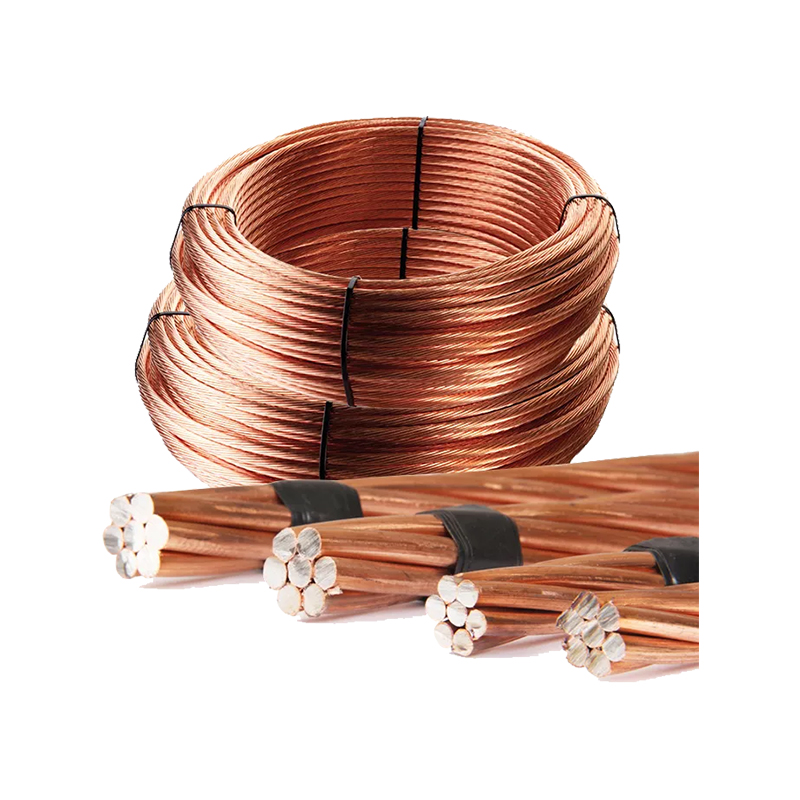
Earthing conductors are manufactured from several materials, each with distinct conductivity and corrosion resistance. Copper (100% IACS conductivity, 5.8 × 10⁷ S/m) is the standard due to its high conductivity, corrosion resistance, and ductility. Bare copper is suitable for most soils (pH 4-9). In corrosive soils (high chlorides, sulfates, pH <4 or >10), specify tinned copper (tin coating 2-5 microns) or copper-clad steel (30-40% IACS). Galvanized steel (8-12% IACS, zinc coating 50-85 microns) is less conductive (requires 4-6x larger cross-section for same fault current) and corrodes in acidic soils (pH <6). Stainless steel (304 or 316, 2-3% IACS) is used only for highly corrosive environments (chemical plants, coastal) where copper is attacked, but requires 10-15x larger cross-section.
For direct burial in concrete (Ufer grounds), bare copper is preferred (concrete pH 12-13, copper passivates). Aluminum is not permitted for direct earth burial in NEC (corrodes rapidly in soil, exothermic welding not possible). For overhead grounding (pole grounds), copper-clad steel (40% IACS) provides tensile strength for spans >10 meters. Cost comparison (per meter, 50mm²): bare copper $15-25, galvanized steel $3-6 (but requires 200-300mm² for equivalent ampacity), tinned copper $20-35. For long service life (30+ years), bare copper is the most cost-effective; for budget-limited projects with expected life under 15 years, galvanized steel may be acceptable.
| Material | Conductivity (% IACS) | Corrosion Resistance | Expected Life (years) | Typical Applications |
|---|---|---|---|---|
| Bare copper (soft drawn)-- | 100%-- | Excellent (pH 4-9)-- | 40-50+-- | Most residential/commercial-- |
| Tinned copper-- | 98%-- | Very good (pH 3-10)-- | 50-60+-- | Corrosive soils, marine-- |
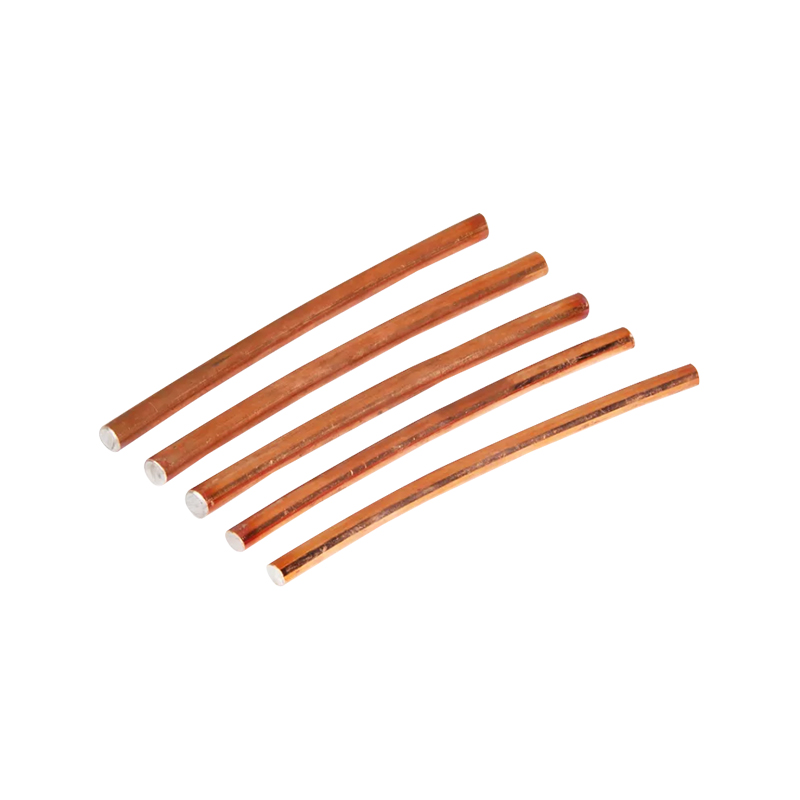
| Copper-clad steel (40%)-- | 30-40%-- | Good (if copper intact)-- | 20-30-- | Pole grounds, overhead-- |
| Galvanized steel-- | 8-12%-- | Fair (pH 6-8)-- | 15-25-- | Temporary, low-budget-- |
| Stainless steel (316)-- | 2-3%-- | Excellent (pH 2-12)-- | 50+-- | Chemical plants, severe corrosion-- |
Conductor Sizing: NEC 250.66 and Fault Current Capacity
Earthing conductor size is determined by the largest service entrance conductor or by available fault current. For residential services (200A, 2/0 AWG copper service conductors), NEC 250.66 requires a #4 AWG copper grounding electrode conductor (minimum 25mm², 85A ampacity). For commercial/industrial, size per Table 250.66: for 500 kcmil service conductors, use #1/0 AWG copper grounding conductor. For high-fault-current installations (substations, switchgear), the conductor must withstand the full fault current without melting: I²t withstand rating (kA²·s). A #4/0 AWG copper conductor (120mm²) withstands 20 kA for 0.5 seconds (I²t = 200); a #2/0 AWG (70mm²) withstands 15 kA for 0.5 seconds.
Calculate minimum size for fault current: minimum cross-section (mm²) = (I × √t) / K, where I = rms fault current (A), t = fault clearing time (s, typical 0.2-0.5 sec), K = constant 226 for copper, 129 for steel. For 40 kA fault, t = 0.2 sec: copper area = (40,000 × √0.2) / 226 = (40,000 × 0.447) / 226 = 17,880 / 226 = 79mm² (≈ #3 AWG). To be conservative, use #1/0 AWG (53mm²) for 40 kA, 3/0 AWG (85mm²) for 50 kA. Always verify with engineer; undersized conductors can vaporize under fault, creating an arc flash hazard. For parallel conductors (multiple runs), each conductor must be sized for the total fault current (no sharing assumption).
Soil Resistivity and Its Effect on Conductor Needs
Soil resistivity (ρ, ohm-meters) determines the required length and spacing of earthing conductors. Low resistivity soils (clay, loam, moist: 10-100 Ω·m) require shorter grounding electrodes; high resistivity soils (rock, sand, gravel: 1,000-10,000 Ω·m) require longer conductors or chemical treatment. For a single ground rod in 100 Ω·m soil, resistance is approximately 25 Ω for a 3m rod; adding a second rod 3m apart reduces resistance by 40% to 15 Ω. In 1,000 Ω·m soil (dry sand), a 3m rod has 250 Ω resistance—too high for lightning protection (requires <25 Ω). Solution: install longer rods (6-10m), multiple rods spaced 2-3x rod length, or use chemical grounding (bentonite clay or conductive concrete).
For ring earthing conductors (encircling a building), increase conductor length in high resistivity soils: target resistance < 5 Ω for substations, < 25 Ω for residential, < 10 Ω for telecom. Resistance formula for ring conductor: R = ρ / (2πL) × ln(4L/r) where L = circumference, r = conductor radius. For 100 Ω·m soil, 50m circumference (16m square) gives R ≈ 2.5 Ω. For 1,000 Ω·m soil, need 300m circumference (75m square) to achieve 5 Ω. Measure soil resistivity with Wenner four-pin method (ASTM G57) before designing earthing system; treat high-resistivity soils with ground enhancement material (GEM, bentonite, gypsum) to reduce ρ to < 10 Ω·m in immediate vicinity of conductors.
Connection Methods: Exothermic Welding vs. Compression vs. Clamps
Connections between earthing conductors are critical; poor connections increase resistance and corrosion. Exothermic welding (cadweld) provides the lowest resistance (micro-ohms), highest mechanical strength, and no corrosion at the joint; the weld has same conductivity as the parent metal. Exothermic welding requires specialized molds and cartridges ($5-15 per weld) but is the only method approved for critical installations (substations, telecommunications, lightning protection). Compression connections (hydraulic crimp with C-taps or H-taps) are acceptable (NEC 250.8) for residential and commercial if properly torqued. Mechanical clamps (bolted bronze or brass) are the least reliable (loosen over time, corrode at contact surfaces) and are permitted only for temporary grounds or accessible locations.
For exothermic welding, surface preparation is critical: clean conductors to bright metal (wire brush, no oil/grease), heat mold to remove moisture (moisture causes porosity and weak welds), use correct cartridge size for conductor sizes. Weld strength: minimum 5,000 psi shear for copper-copper joints. Test welds by hammer strike (should not break) or resistance measurement (should be less than 50 µΩ for 100mm² conductor). For compression connections, use tool calibrated per manufacturer (dies marked for conductor size); inspect crimp for proper indentation (full die closure). Mechanical clamps require anti-oxidant compound (Noalox for aluminum-to-copper; copper anti-seize for copper-to-copper) and re-torque after 30 days (initial relaxation). For direct-burial joints, all connections must be waterproofed (exothermic weld and compression are self-sealing; mechanical clamps require tape or heat shrink).
Corrosion Prevention and Cathodic Protection
Earthing conductors corrode due to galvanic action and soil chemistry. Bare copper corrodes at 0.01-0.05 mm/year in neutral soils (pH 6-8), acceptable for 40-50 year life; in acidic soils (pH <5), corrosion rate increases to 0.1-0.5 mm/year. For a #2 AWG copper conductor (6.5mm diameter), 0.1mm/year corrosion reduces cross-section by 30% over 20 years—acceptable but marginal. For high-corrosion soils, specify tinned copper (tin galvanically protects copper) or increase conductor size by 25-50%. For dissimilar metal connections (copper to galvanized steel), use insulated connectors or apply dielectric grease to prevent galvanic corrosion (copper-steel couple accelerates steel corrosion 10-100x).
Cathodic protection is required for earthing conductors in contact with impressed current systems (e.g., pipeline grounding). Sacrificial anodes (magnesium or zinc) protect steel conductors; for copper conductors, cathodic protection is not needed (copper is more noble than steel). For buried earthing grids in high-resistivity soils (> 10,000 Ω·m), impressed current systems (titanium anodes with DC rectifier) reduce grid resistance but require ongoing maintenance. Measure soil pH, chlorides, sulfates, and resistivity before installation; for corrosive soils (pH <4, >10, chlorides >1000 ppm, sulfates >2000 ppm), consult corrosion engineer. For marine environments (tidal zones), use tinned copper with double insulation (if above ground) or increase conductor size by 100% for bare buried conductors.
Installation Depth and Mechanical Protection
Earthing conductors must be buried at sufficient depth to avoid mechanical damage and to maintain low soil resistivity (deeper soil has higher moisture content, lower resistivity). Minimum burial depth per NEC 250.53: 750mm (30 inches) for ground ring conductors, 450mm (18 inches) for electrode conductors. For residential, 450mm is typical; for substations, 600-900mm to protect from surface disturbance. In rocky soil, install conductors in sand bedding (50-100mm cover) to prevent abrasion against rocks. For areas with heavy vehicle traffic (driveways, parking lots), install conductors in rigid conduit (PVC or galvanized steel) encased in concrete.
Mechanical protection: for conductors within 1.5m of building foundation, install in Schedule 40 PVC conduit or 2.5cm pressure-treated lumber cover. For conductors crossing under driveways, use Schedule 80 PVC or rigid steel conduit; depth minimum 600mm below surface. For exposed conductors (above ground on poles), secure with insulated standoffs every 1-2 meters; use copper-clad steel for tensile strength (prevents stretching). For buried conductors, backfill with excavated soil free of rocks (>25mm diameter) or with sand/gravel mix (10-20mm screened). Avoid sharp bends: minimum bending radius 5x conductor diameter for solid, 3x for stranded; tight bends create stress points and increase resistance.
Bonding vs. Grounding: Understanding the Difference
Earthing conductors serve two distinct functions: grounding (connection to earth) and bonding (connection between metallic parts). Grounding conductors (GEC, grounding electrode conductor) connect the electrical system to earth (rods, plates, water pipe). Bonding conductors (bonding jumpers, equipment grounding conductors) connect metallic parts (conduit, enclosures, structural steel) to ensure equal potential. NEC requires both: grounding provides a reference and fault path; bonding ensures no voltage difference between exposed conductive surfaces. A common error is using a single conductor for both (e.g., connecting conduit to ground rod but not bonding the conduit to the service neutral).
Bonding conductor sizing per NEC 250.122: based on overcurrent device rating. For 200A service, #6 AWG copper bonding conductor (minimum), #4 AWG preferred. For high-impedance fault paths, bonding resistance must be less than 1 Ω to ensure breakers trip. Test bonding continuity with ohmmeter; resistance from ground bus to farthest metallic enclosure should be < 0.5 Ω. For swimming pools, bonding grids (minimum #8 AWG copper) encircle the pool and connect to all metal parts (ladders, rails, pumps). For lightning protection, bonding conductors must have no sharp bends (lightning jumps gaps > 0.5m). Separate grounding and bonding conductors where possible to avoid single-point failure.
Testing and Measurement: Earth Resistance
After installation, earthing conductors must be tested for resistance to earth. Acceptable resistance: < 25 Ω for residential (NEC recommendation), < 5 Ω for substations, < 10 Ω for telecom, < 1 Ω for lightning protection systems. Use 3-pole fall-of-potential method (ANSI/IEEE 81): drive two auxiliary rods 20-50m from ground electrode, inject test current (10-50A at 60-100 Hz), measure voltage drop. For large grids, use 4-pole method (Wenner array) to measure soil resistivity without disconnecting. For existing systems, clamp-on ground resistance testers (earth ground clamps) measure loop resistance non-invasively (±5% accuracy).
Interpretation: High resistance (>100 Ω) indicates poor connection to earth (dry soil, corroded rod, broken conductor). Moderate resistance (25-100 Ω) acceptable for residential but may be improved. Low resistance (<5 Ω) excellent for sensitive electronics. For high-resistance soils, treat with ground enhancement material (GEM, conductive concrete) around the conductor—pour GEM slurry (1-5 parts water) into trench before backfilling. Re-test after 30 days (GEM cures and reduces resistivity by 50-90%). Record test results for annual maintenance; resistance typically increases 1-5% per year due to soil drying and corrosion. When resistance exceeds 2x initial value, investigate and repair.
Lightning Protection Earthing Requirements
Lightning protection systems (LPS) have more stringent earthing requirements than power grounding. NFPA 780 requires: resistance to earth < 10 Ω for Class I LPS, < 25 Ω for Class II; multiple down conductors (minimum 2) and ring earth electrodes (minimum #2/0 AWG copper). Lightning earthing conductors must be sized for high-frequency impulses (10/350 µs waveform) not just 60 Hz. For a 200 kA lightning strike, the earthing conductor must withstand 200 kA for 350 µs—I²t of 14,000 (versus 200-800 for power faults). Minimum copper conductor size: #2 AWG (35mm²) for down conductors, #4/0 AWG (120mm²) for ring earth electrodes.
Special considerations: avoid sharp bends (lightning arcs across bends > 30°); maintain 0.5m separation from power conductors (to prevent side-flash); bond to building steel and water pipes. For structures taller than 20m, install multiple down conductors spaced every 30m of perimeter. For lightning strike risk, use surge protection devices (SPD Type 1) on electrical panels—earthing conductor must have low impedance (< 5 Ω, < 30 nH/m) to dissipate strike energy. Test LPS annually per NFPA 780: measure resistance (should be stable within 20% of initial), inspect for corrosion at connections, check for mechanical damage. Retest after any lightning strike; strikes can damage conductors (melting, pitting) even if system appears intact.
Inspection and Maintenance Schedule
Earthing conductors require periodic inspection and testing to ensure continued safety. Residential: visual inspection every 3-5 years (check exposed connections for corrosion, ensure ground rod clamp tight); resistance test every 10 years. Commercial: visual inspection annually, resistance test every 3-5 years. Industrial/substation: visual inspection quarterly, resistance test annually, thermographic scan (for connections) annually. Utilities: visual inspection of pole grounds every 5 years, resistance test every 10 years. During inspection, look for: broken conductors (animal damage, excavation), corrosion at connections (green or white powder), loose clamps, and vegetation overgrowth (roots displace conductors).
Remedial actions: re-torque mechanical clamps to 15-25 Nm (#4 AWG to #2/0), apply anti-oxidant compound; replace corroded connectors (exothermic weld or compression); install additional ground rods if resistance has increased >50% from initial. For galvanized steel conductors, replace when coating loss exceeds 50% (visible rust covering >25% of surface). For direct-buried splices, expose and inspect every 10 years; replace if corrosion is visible. For lightning protection systems, test continuity (should be < 0.5 Ω between all down conductors and earth ring). Keep maintenance records (resistance values, repair dates) for insurance and liability purposes; poor grounding is a leading cause of electrical fires and equipment damage.
Common Code Violations and How to Avoid Them
NEC violations involving earthing conductors are among the most common electrical infractions. Violation #1: using the same conductor for both grounding electrode conductor and equipment grounding conductor (NEC 250.58). Solution: run separate conductors. Violation #2: connecting grounding electrode conductor to conduit instead of directly to ground rod (NEC 250.70). Solution: use acorn clamp or exothermic weld directly to rod. Violation #3: insufficient burial depth (NEC 250.53). Solution: bury at least 450mm for residential, 750mm for ground rings. Violation #4: ungrounded systems (no connection to earth). Solution: always install ground rod or connect to building steel/water pipe per 250.50.
Violation #5: aluminum conductors direct burial (NEC 250.64). Solution: use copper or copper-clad steel only. Violation #6: splicing grounding conductors with wire nuts (NEC 110.14). Solution: use irreversible compression splices or exothermic welding. Violation #7: painting or coating ground rod (increases resistance). Solution: leave bare copper or galvanized finish exposed. Violation #8: using ground rod less than 2.4m (8ft) long (NEC 250.52). Solution: use 3m (10ft) rod, driven full length. Violation #9: no supplemental electrode for water pipe grounds (NEC 250.53). Solution: add ground rod or other electrode. Violation #10: failure to bond metal water pipe within 1.5m of building entry (NEC 250.104). Solution: install bonding jumper across water meter and around any plastic sections. Always consult latest NEC edition (2023 as of writing) for local amendments; some jurisdictions have stricter requirements.
Cost Analysis and Lifecycle Economics
For a 50-year facility life, copper earthing conductors are the most cost-effective despite higher initial cost. Copper: $15/meter installed, 50-year life = $0.30/meter-year. Galvanized steel: $5/meter installed, 20-year life = $0.25/meter-year + replacement labor $10/meter in year 20 = $0.75/meter-year. Copper saves $0.45/meter-year × 100 meters = $45/year. For a large industrial ground grid (10,000 meters), copper saves $4,500/year. For residential (30 meters of wire + 2 rods), copper cost premium over galvanized steel: $450 vs. $150; over 50 years, copper costs $300 more upfront but requires no replacement; steel requires rod replacement at year 20 ($150) and conductor replacement at year 20-25 ($300 labor + $150 material) = $600 total. Copper saves $300 over 50 years.
For high-corrosion environments (coastal, chemical plants), tinned copper ($20/m) vs. stainless steel ($40/m) vs. copper-clad steel ($10/m). Copper-clad steel fails in 20-25 years (cladding pinholes allow core steel corrosion); stainless lasts 50+ years but costs 2x copper. For most applications, tinned copper provides best lifecycle cost ($0.40/meter-year). For lightning protection, the cost of a strike (equipment damage, fire) far exceeds any earthing conductor savings; use copper or tinned copper per NFPA 780. For temporary installations (<10 years), galvanized steel is acceptable. For service entrance grounding, always use copper (NEC 250.64 requires copper for grounding electrode conductors in residential).
 About Us
 +86-15167536268
 29, Xingmei Avenue, Xinchang, Zhejiang, China