

 English
 简体中文
简体中文
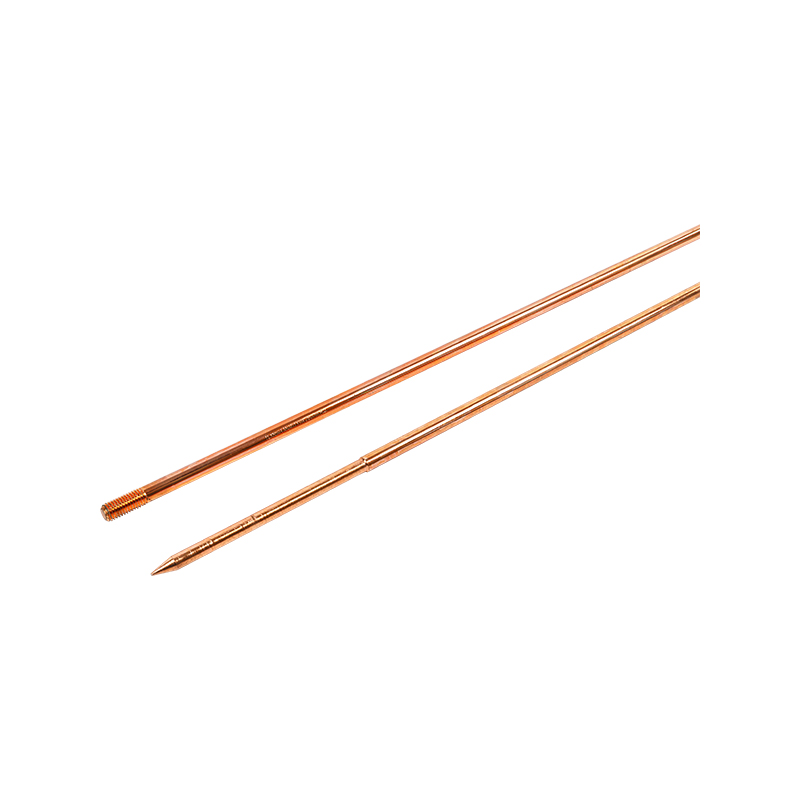
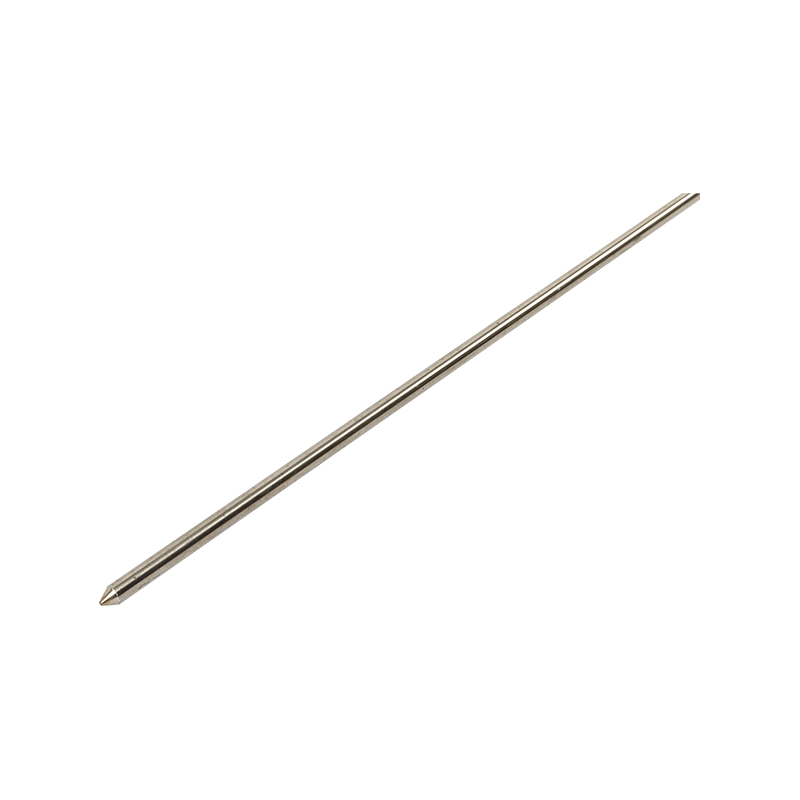
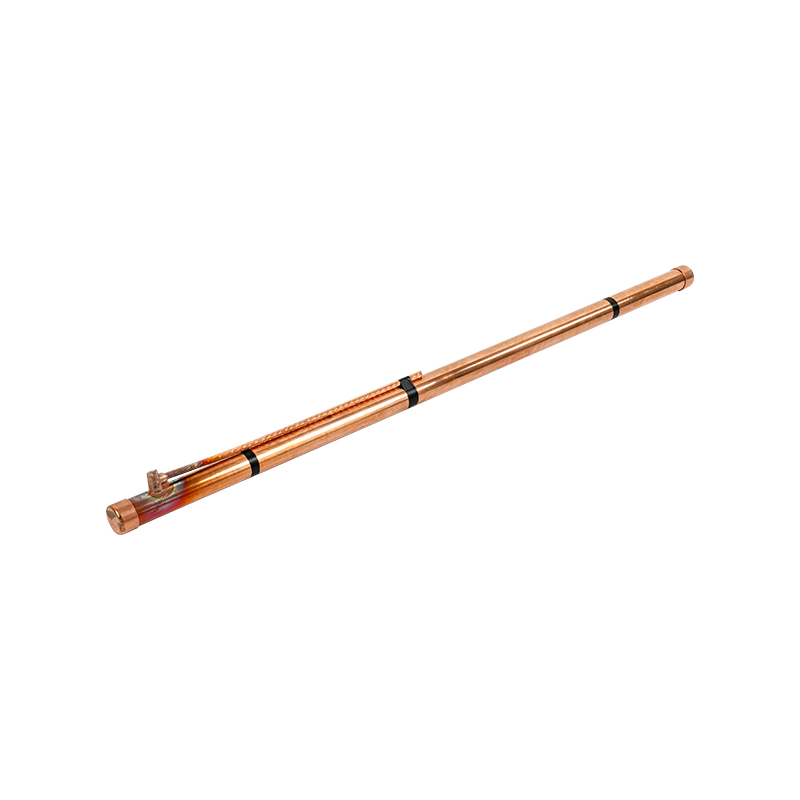
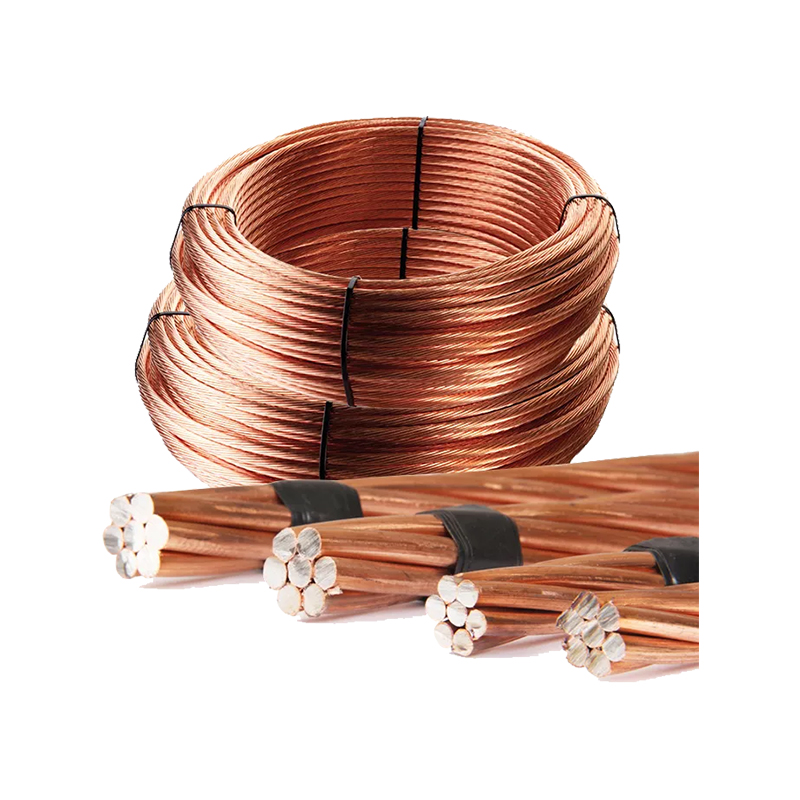
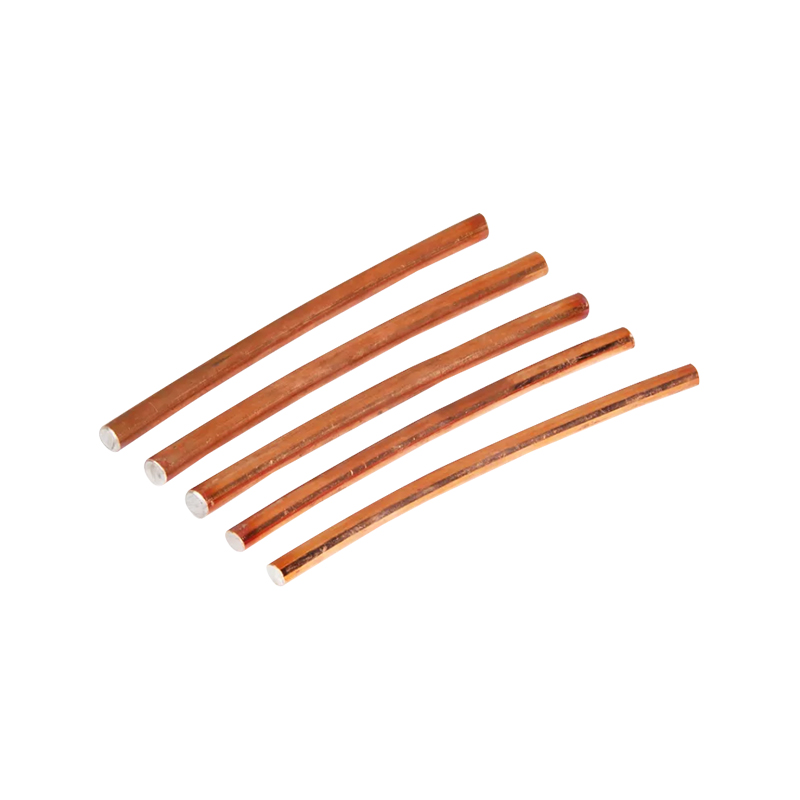
Establishing a high-reliability path to earth for transient fault currents, atmospheric lightning discharges, and static accumulations relies fundamentally on the integration of a heavy-duty copper plated steel grounding rod. Implementing molecular-bonded bimetallic electrodes reduces the electrical resistance of a facility’s grounding grid to a benchmark below 25 Ohms, satisfying strict international safety regulations. These specialized infrastructure components achieve optimal life-safety performance by merging the high structural tensile strength of a low-carbon steel core with the exceptional electrical conductivity and oxidation immunity of an exterior copper sheath.
Metallurgical Architecture and the Molecular Bonding Manufacturing Process
A high-performance grounding rod is not a simple metallic stake. It is an engineered bimetallic component designed to handle intense mechanical friction during deep earth driving while providing a continuous, low-resistance electrical pathway for decades.
The Electro-Plating Manufacturing Method
To create a permanent metallurgical bond that will not split, crack, or peel when driven through rocky soil, modern factories utilize a continuous electro-plating process. The low-carbon steel core, chosen for its tensile strength of approximately 600 MPa, passes through a multi-stage chemical cleaning sequence to remove all traces of surface oxides, oils, and mill scale.
The pristine steel core is then submerged in an electrolytic bath containing dissolved copper ions. An electrical current drives a molecular-level deposition, building a highly uniform outer copper jacket. This electro-plating process creates an atomic bond at the metal interface. This bond ensures that even if the rod is bent at a sharp 90-degree angle during a difficult installation, the outer copper layer will not tear or separate from the steel core, keeping the underlying steel perfectly sealed against soil moisture.
Copper Coating Thickness and Regulatory Benchmarks
The operational lifespan of a grounding electrode buried in corrosive soil is directly proportional to the thickness of its protective copper layer. Standard specifications like UL 467 dictate that for a copper-bonded electrode to be certified for industrial use, the minimum copper plating thickness must be 0.25 millimeters (254 microns) at all points along the rod.
Cheaper alternative products, such as copper-wrapped or painted rods, often feature thin coatings measuring less than 30 microns. These thin layers can easily scratch open during installation, exposing the raw steel underneath. This exposure triggers aggressive galvanic corrosion that can destroy the electrical continuity of the electrode within a few short years, jeopardizing the safety of the entire electrical system.
Physics of Soil Resistivity and Subterranean Dissipation Dynamics
The ultimate metric of a grounding system’s effectiveness is its resistance-to-earth value. When a lightning strike or short-circuit fault injects thousands of amperes of current into a grounding rod, the charge must dissipate smoothly into the surrounding earth mass without generating dangerous surface touch voltages.
The Concentric Shell Model of Earth Resistance
As electrical current leaves the outer surface of a buried copper-plated rod, it spreads radially through a series of concentric earth shells. The shell closest to the rod surface has the smallest surface area, representing the zone of highest electrical resistance. Each subsequent outer shell provides a significantly larger surface area, causing the incremental resistance to drop to near zero as the current moves farther away.
Because the first shell holds the highest concentration of electrical resistance, ensuring a tight, high-conductivity interface between the outer copper plating and the raw soil is critical. Any air pockets, rocks, or loose backfill materials surrounding the driven rod will disrupt this interface, causing a major spike in the system's total resistance-to-earth value.
Soil Stratification and Moisture Variations
Soil is rarely uniform; it typically consists of multiple distinct layers with vastly different electrical resistivity values, measured in Ohm-meters (Ω·m). Dry, sandy surface soils often exhibit high resistivities exceeding 1,000 Ω·m, whereas deep subterranean clay layers mixed with moist groundwater can drop below 30 Ω·m.
To achieve a low-resistance connection, grounding installations use long, sectioned copper-plated steel rods driven deep enough to pierce through high-resistance surface layers and lock into the stable, moist clay beds underneath. This deep penetration bypasses seasonal frost lines and dry summer conditions, maintaining consistent, safe grounding performance all year round.
Comparative Engineering Performance Matrix
To assist electrical engineers and infrastructure contractors during material selection and grounding grid design phases, the following table compares different grounding electrode options across critical mechanical, electrical, and longevity parameters.
| Engineering Parameter | Copper Plated Steel (254µm) | Solid Copper Electrode | Galvanized Zinc-Coated Steel |
|---|---|---|---|
| Tensile Strength Limit | 550 – 650 MPa (Very High) | 220 – 260 MPa (Soft/Malleable) | 400 – 500 MPa |
| Surface Electrical Conductivity | 40% to 50% IACS rating | 100% IACS baseline rating | 8% to 12% IACS rating |
| Deep Driving Buckle Resistance | Excellent (Resists Rock Impacts) | Poor (Bends & Distorts Easily) | Good (Stiff Steel Matrix) |
| Average Underground Asset Life | 30 – 40 Years (Stable) | 40+ Years | 10 – 15 Years (Sacrificial Wear) |
| Material Cost Index | Moderate Balanced Baseline | Extremely High (Market Fluctuating) | Low Initial Acquisition Cost |
| Galvanic Cell Corrosion Creation | Inert to Copper Sub-Grids | Inert to Copper Sub-Grids | Severe Sacrificial Decay Risk |
Mechanical Installation Protocols and Deep-Driving Methodologies
The mechanical installation of grounding hardware is demanding work that requires specialized machinery and precise techniques to ensure structural integrity and code-compliant electrical performance.
Power Hammer Drive Assemblies and Drive Sleeves
Manual installation using regular sledgehammers is limited to soft loam or loose soils. For dense industrial sites, utility sub-stations, and high-impedance rocky terrains, installation teams deploy electric or pneumatic rotary power breakers equipped with custom driving sleeves.
The drive sleeve slips directly over the chamfered end of the grounding rod, cushioning the impact of the hammer piston. This preventing the top of the rod from mushrooming or distorting under high-frequency impacts. Distorted rod ends can split the outer copper jacket, creating paths for moisture infiltration and accelerated structural corrosion.
Sectional Threaded Couplings for Deep Penetration
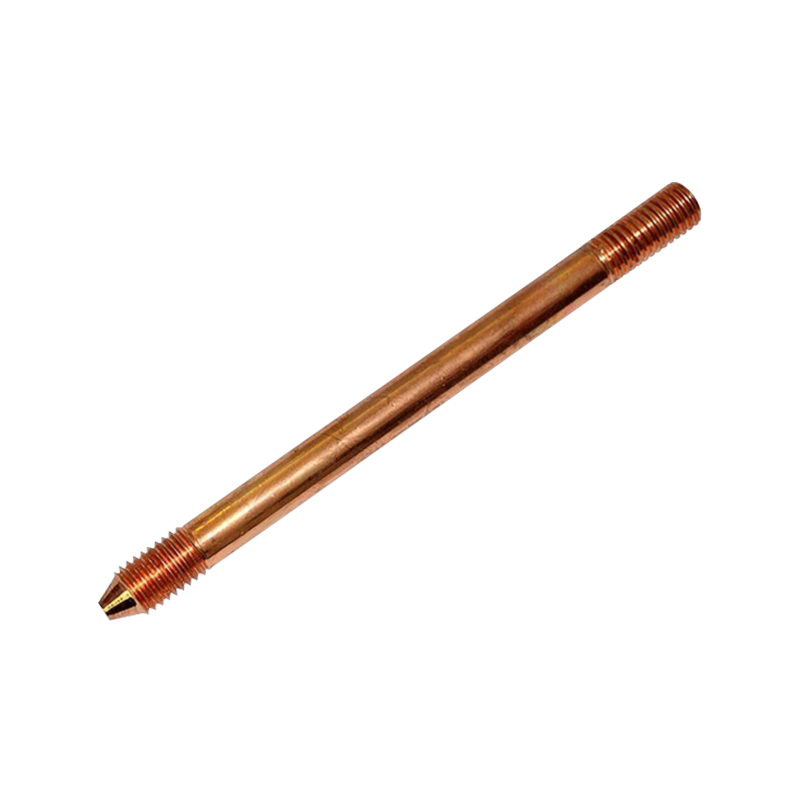
When structural engineering specs require driving depths of 20, 30, or 50 feet to hit target earth resistivity baselines, handling a single, ultra-long rod is logistically impossible. Field teams solve this challenge by using sectional copper-plated rods joined by threaded bronze couplings.
Each end of the sectional rod features high-precision machine threads cut directly into the steel core before the outer copper coating is applied. The high-strength bronze coupling sleeve joins the separate rod sections together. When tightened down, the ends of the two rods mate firmly inside the center of the coupling, ensuring that the mechanical force of the power hammer travels directly through the steel cores rather than stressing the brass threads, preventing thread strip-out during deep-driving operations.
Advanced Sub-Surface Junction Engineering and Joint Integrity
A grounding rod is only as effective as the physical connection linking it to the primary grounding conductor cable coming from the building's main electrical panel. If this single connection degrades, the entire grounding system loses its safety utility.
Exothermic Welding Connections
The gold standard connection method for industrial utility facilities is exothermic welding. This process uses a semi-permanent graphite mold to enclose the top of the copper-plated grounding rod and the bare copper grounding conductor cable.
The technician pours a chemical mixture of aluminum powder and copper oxide into the mold's top crucible and ignites it using a flint spark gun. This triggers an intense exothermic reaction that superheats the mixture above 1,400°C, liquefying the copper. The molten copper flows down into the weld cavity, melting the outer sheath of the rod and the strands of the cable together into a single, solid copper block.
This molecular weld yields an electrical connection with zero resistance across the joint. Because it forms a continuous metal path with no mechanical gaps, it is completely immune to looseness over time, vibration displacement, or moisture ingress, allowing it to safely handle high-amperage short circuits without failing.
Heavy-Duty Mechanical Clamping Alternates
For standard light commercial or residential installations, high-strength mechanical ground clamps are a code-compliant and cost-effective alternative. These connectors are manufactured from high-tensile silicon bronze alloys to resist environmental stress-corrosion cracking.
When installing these connectors, technicians use a calibrated torque wrench to tighten the stainless steel drive bolt to a precise target, typically around 20 to 25 Newton-meters. This high clamping pressure cold-flows the conductor wire directly into the outer copper plating of the grounding rod, maximizing the electrical contact area and ensuring long-term mechanical stability.
Electrochemical Soil Enhancements and Corrosion Mitigation
In challenging high-resistance areas like dry sand dunes, volcanic rock fields, or solid granite formations, driving standard grounding rods into the earth often fails to yield a safe, low-resistance connection. To overcome these harsh conditions, engineering teams deploy active electrochemical backfill materials.
Bentonite and Carbon-Based Ground Enhancement Compounds
Rather than driving a rod straight into rocky ground, contractors drill a large 4-to-6-inch diameter pilot hole, center the copper-plated grounding rod inside, and backfill the remaining space with a specialized ground enhancement compound.
These high-conductivity compounds typically consist of premium sodium bentonite clay or dust-free carbon gel matrix formulations. When mixed with water, the compound cures into a stable, highly conductive gel that sticks firmly to the outer copper plating of the rod and locks into the microscopic cracks of the surrounding rock. This configuration effectively expands the functional diameter of the grounding rod, dropping total system resistance by up to 60% to 75% without needing to drive deep, expensive multi-tier sectional rods.
Cathodic Protection and Stray Current Prevention
In industrial zones located near high-voltage DC transit rail systems, electrical welding yards, or massive pipelines, stray currents can travel through the soil. These stray currents can induce localized electrolytic corrosion along buried metals.
The heavy 254-micron outer copper jacket of a premium grounding rod provides strong resistance to this stray-current corrosion, outlasting standard galvanized iron rods by up to four times. To further protect critical infrastructure sites, engineers connect sacrificial magnesium or zinc anodes to the grounding ring. These sacrificial anodes redirect the stray electrical currents, corroding away first while keeping the main copper-plated grounding grid completely intact.
Diagnostic Testing and Long-Term Performance Verification
Safety codes mandate that newly installed grounding systems must undergo verification testing prior to energizing the main building equipment. Ongoing testing is also required at regular intervals to monitor the system for gradual degradation.
The Fall-of-Potential Testing Method
The most accurate technique used to verify a grounding rod's resistance-to-earth value is the three-terminal Fall-of-Potential test, conducted in accordance with IEEE Standard 81 guidelines. This test requires isolating the grounding rod under test from the main building panel.
The technician drives two small temporary test stakes into the soil at precise distances away from the main grounding rod. The tester injects a known AC current between the main grounding rod and the farthest current stake, and then measures the resulting voltage drop at various points using the closer potential stake. The instrument uses these measurements to calculate and plot a resistance curve, allowing the technician to confirm the true resistance value of the grounding rod while filtering out temporary surface interference.
Stakeless Clamp-On Diagnostic Checks
For routine quarterly maintenance inside operational facilities where driving temporary test stakes into paved concrete surfaces is impractical, technicians use dual-induction stakeless clamp-on ground meters. These specialized meters feature two integrated magnetic cores within a single handheld clamp.
The first core loop induces a preset high-frequency AC voltage into the grounding conductor wire, while the second core loop measures the resulting current flowing through the loop. This stakeless method allows maintenance teams to quickly verify system continuity and check for broken ground connections or loose mechanical clamps without needing to take critical equipment offline, ensuring continuous protection for the facility.
References
- Underwriters Laboratories: UL 467 Safety Standard for Grounding and Bonding Equipment (10th Edition).
- Institute of Electrical and Electronics Engineers: IEEE Std 81 Guide for Measuring Earth Resistivity, Ground Impedance, and Earth Surface Potentials of a Grounding System.
- National Fire Protection Association: NFPA 70 National Electrical Code (NEC - 2026 Edition).
- International Journal of Electrical Power & Energy Systems: Subterranean Transient Dissipation Modeling and Corrosion Kinetic Evaluation of Bimetallic Copper-Bonded Grounding Rods (2025).
 About Us
 +86-15167536268
 29, Xingmei Avenue, Xinchang, Zhejiang, China