

 English
 简体中文
简体中文
If you are sizing the ground wire for a 400 amp service, the first step is deciding which ground wire you mean. A 400A breaker or disconnect may need a 3 AWG copper equipment grounding conductor (EGC) under Table 250.122, while the grounding electrode conductor (GEC) connected to a ground rod can be as small as 6 AWG copper under Table 250.66. This article explains both rules so you can order the correct wire without guesswork.
EGC vs. GEC: Two Different Grounding Conductors
The term “ground wire” is often used for two conductors that perform different jobs. The equipment grounding conductor clears ground faults by carrying fault current back to the source, so it is sized by the overcurrent device rating. The grounding electrode conductor connects the electrical system to the earth electrode, such as a ground rod or a concrete-encased electrode, and is sized by the phase conductor size and electrode type.
| Characteristic | Equipment Grounding Conductor | Grounding Electrode Conductor |
|---|---|---|
| Purpose | Bond equipment and clear faults | Reference the system to earth |
| NEC rule | Table 250.122 | Table 250.66 |
| Typical size for 400A | 3 AWG copper or 1 AWG aluminum | 6 AWG copper to ground rods; up to 1/0 copper for other electrodes |
Because the EGC and GEC follow different tables, you cannot simply pick one wire size for every 400A installation.
Equipment Grounding Conductor for a 400A Service
The EGC must be sized from NEC Table 250.122 using the rating of the branch-circuit or feeder overcurrent device protecting the equipment. A 400A overcurrent device calls for a 3 AWG copper EGC, or a 1 AWG aluminum or copper-clad aluminum EGC.
| Overcurrent device rating | Minimum copper EGC |
|---|---|
| 100A | 8 AWG |
| 200A | 6 AWG |
| 300A | 4 AWG |
| 400A | 3 AWG |
| 500A | 2 AWG |
If the phase conductors for the 400A service are oversized beyond the minimum required for the ampacity, the EGC must be increased proportionally, as required by NEC 250.122(B). For example, a long feeder run that requires upsized phase conductors also forces a larger EGC.
Grounding Electrode Conductor for a 400A Service
The GEC sizing starts with NEC Table 250.66 based on the size of the largest ungrounded supply conductor entering the service. For a common 400A service using 400 kcmil copper or 600 kcmil aluminum phase conductors, Table 250.66 typically requires a 1/0 AWG copper GEC. However, there is an important exception: when the GEC terminates to a ground rod, pipe electrode, or plate electrode, NEC 250.66(A) lets you stop at 6 AWG copper because the electrode itself cannot usually accept more fault current effectively. If the electrode is a concrete-encased electrode, the maximum required size is 4 AWG copper.
To select the GEC, follow this simple sequence:
- Identify the type of grounding electrode actually installed.
- Find the phase conductor size and consult Table 250.66.
- Apply the applicable exception for rods or concrete-encased electrodes.
- Verify local amendments, since some jurisdictions require a larger electrode conductor for lightning systems.
Here is the decision summary for the most common electrode types:
- Ground rod electrode: 6 AWG copper maximum required, regardless of phase size.
- Concrete-encased electrode: 4 AWG copper maximum required.
- Other electrodes: Table 250.66 value, typically 1/0 copper for a 400A service.
For a supplementary ground rod driven for lightning or surge protection, the same 6 AWG copper rule typically applies, but check the electrode connection and the distance from the panel before finalizing the run.
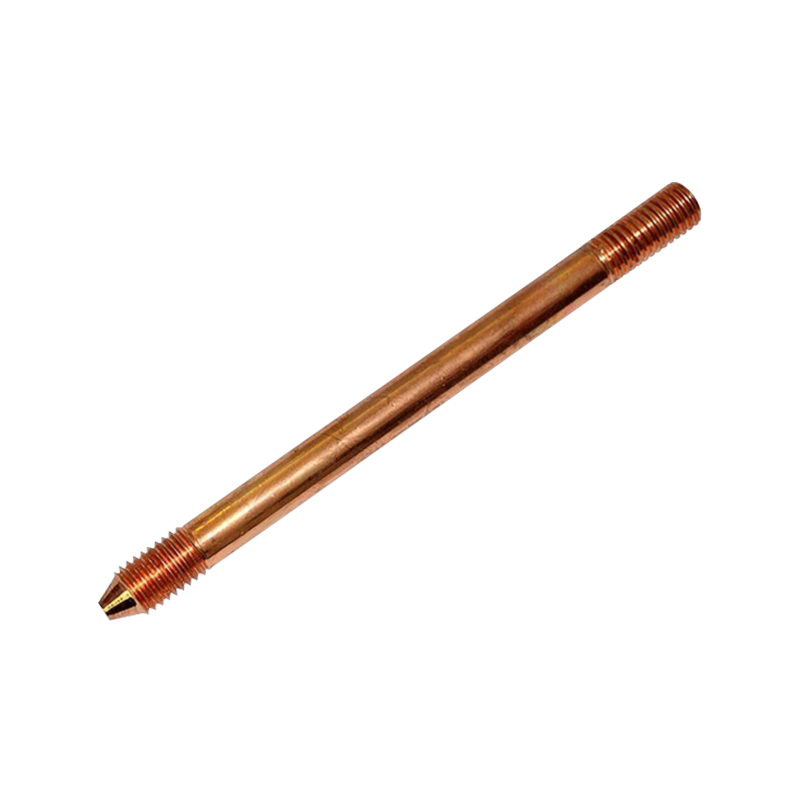
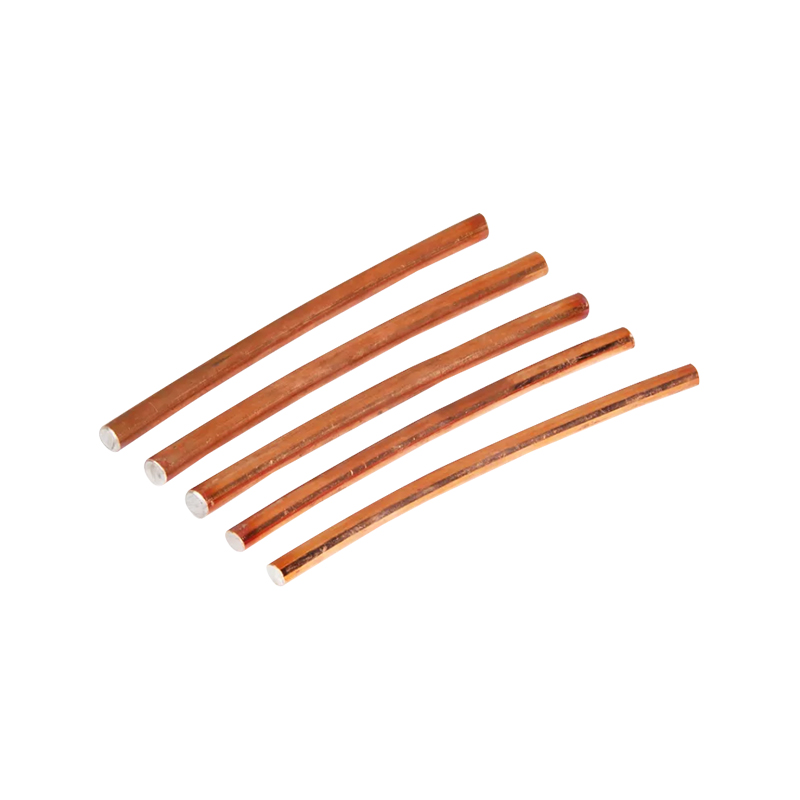
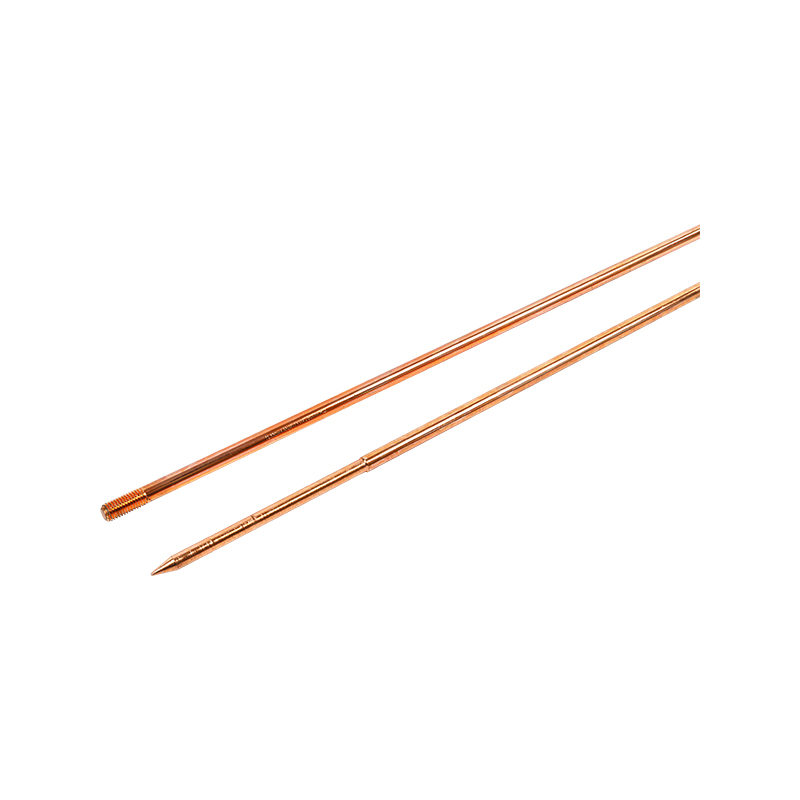 Copper Clad Steel Grounding Rod for Surge and Lightning ProtectionThis grounding rod pairs well with the supplementary ground rod discussion, offering a durable copper bonded steel core with high tensile strength and corrosion resistance for reliable electrode connections.View Product →
Two-Panel 400A Services and Grounding Layout
Many 400A residential services arrive as a single meter/disconnect enclosure containing two 200A main breakers. The grounding electrode conductor for this combined service is still based on Table 250.66 using the largest ungrounded conductor feeding the enclosure. With two 200A supplies bonded together, many plans choose a 1/0 copper GEC when the electrode is not a ground rod, or a 6 AWG copper GEC if the only electrode is a pair of ground rods. The equipment grounding conductors for each 200A panel follow Table 250.122 for 200A, which is 6 AWG copper, unless the phase conductors are upsized.
When the service has separate disconnects, the GEC can be run from the meter enclosure to the ground bus, and then individual taps can be made to each panel. Keep the GEC continuous from the electrode to the first disconnecting means, and bond the enclosure at that point with the proper connector. If you need to extend from a 400A meter to two panels, using a single larger GEC to a bonding bus will save labor and reduce the chance of losing conductance in a splice.
Conductor Material and Corrosion Considerations
Ground wire size is only half of the equation; material choice affects long-term reliability. Copper offers low resistance and excellent corrosion resistance, but direct burial in alkaline or acidic soil can cause galvanic corrosion when connected to steel rods. Copper-clad steel conductors combine a steel core for mechanical strength with a copper outer layer for conductivity and compatible connections to copper materials. Aluminum GEC is permitted by the NEC but cannot be used in all soil conditions, and it must not be installed within 18 inches of the earth unless listed for direct burial.
When you select the GEC material, consider the conductor run length, soil resistivity, and whether you need flexibility at terminations. For exposed runs, copper-clad steel round wire provides enough stiffness to stay in place, while flexible copper braid is easier to route inside cabinets.
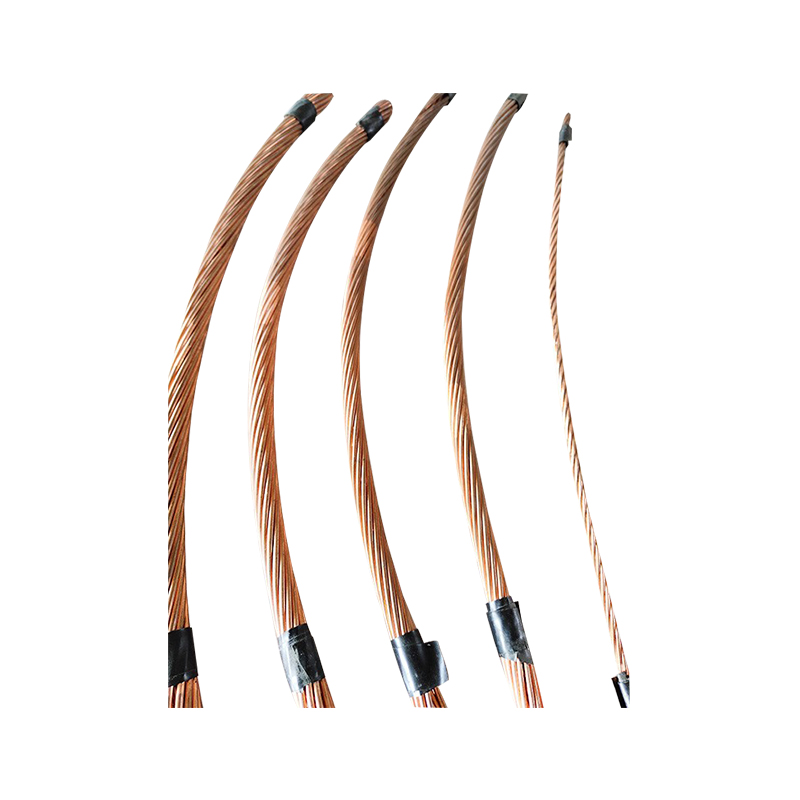
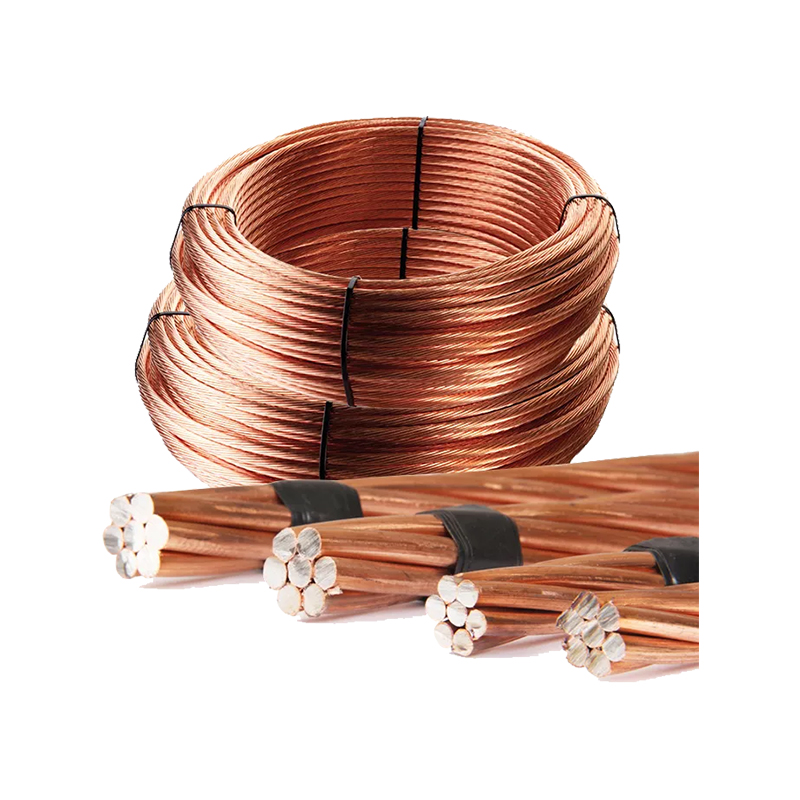
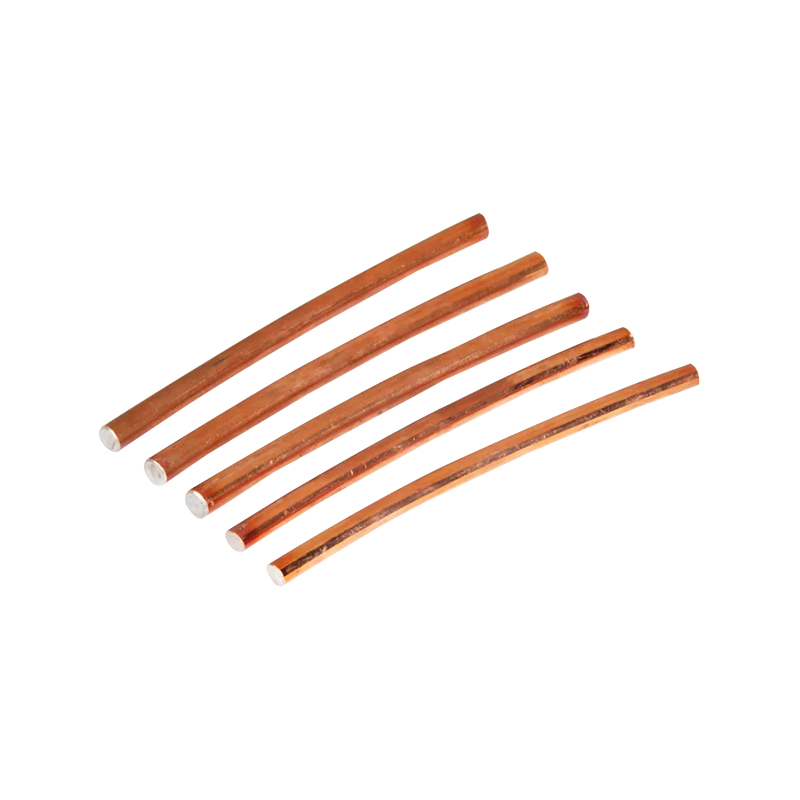 Copper Clad Steel Round Wire for Grounding Electrode ConductorsSuitable for exposed GEC runs in a 400A service, this round wire combines a tough steel core with a molecularly bonded copper layer, allowing tight bends without cracking.View Product →
Build the Complete Grounding Path
A 400A service grounding system needs more than wire: the electrode, the exothermic or mechanical connections, the clamps, and the bus bar all have to work together. For a two-panel 400A setup, a common approach is to bond the meter enclosure to a grounding bus bar and then feed each 200A panel with its own GEC tap. The bus bar must be rated for the number of conductors and sized to handle the possible fault current.
Use listed clamps for each electrode connection, and make the GEC continuous or splice only with irreversible compression connectors listed for grounding. Inspectable connections are preferred because a corroded splice can defeat the whole system. For that reason, many installers put the GEC through an inspection pit or grounding check well.
Before you buy, review the basics of grounding conductors and the different grounding rods available for the electrode side of the system.
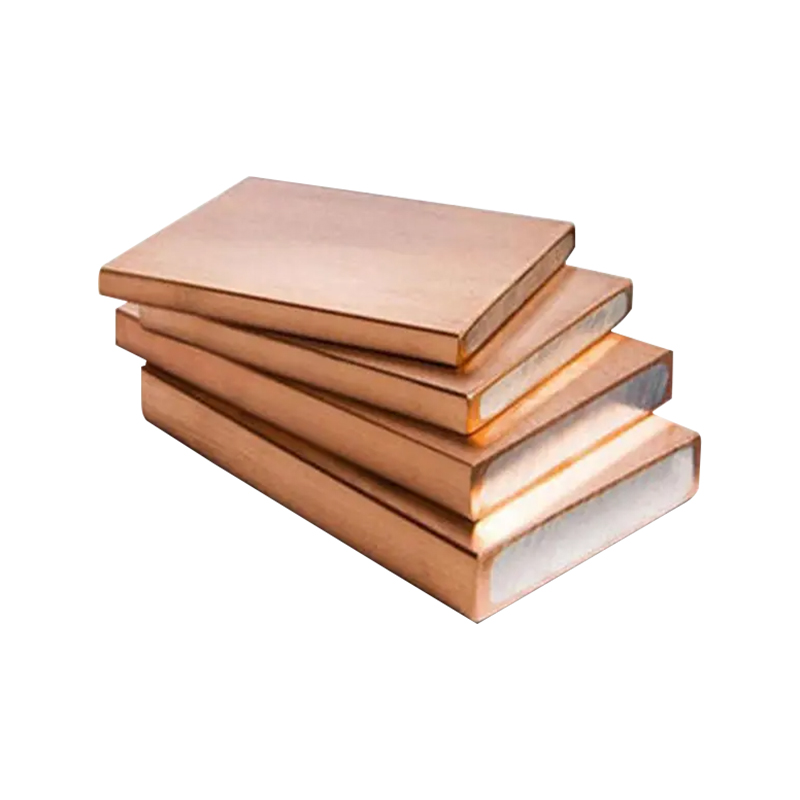
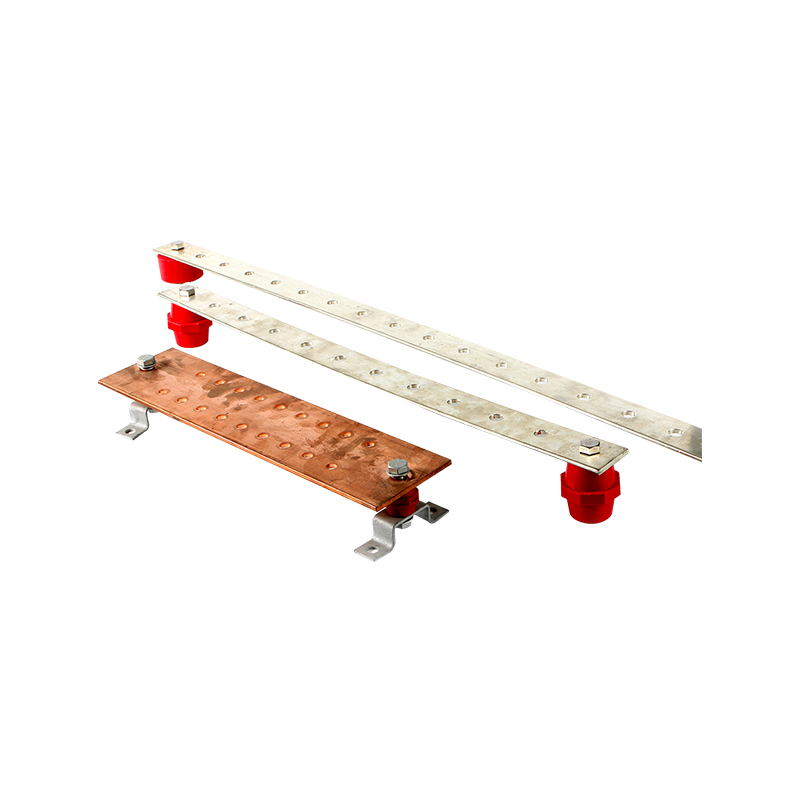 Grounding Bus Bar for Bonding Multiple Service ConductorsWhen coordinating the GEC taps for a two-panel 400A setup, this bus bar provides a central bonding point rated for multiple conductors, helping organize the grounding system.View Product →
The correct ground wire size for a 400 amp service depends on whether you are sizing the equipment grounding conductor or the grounding electrode conductor. Use 3 AWG copper, or 1 AWG aluminum, for the EGC, and follow Table 250.66 with its electrode exceptions for the GEC. Always confirm the actual phase conductor sizes and local electrical amendments before placing your material order, because a wire that is a half-size too small can create a serious safety hazard, while an oversized conductor rarely costs you much but can complicate termination.
 About Us
 +86-15167536268
 29, Xingmei Avenue, Xinchang, Zhejiang, China