

 English
 简体中文
简体中文
What Is a Lightning Rod and Why Does It Need a Complete System?
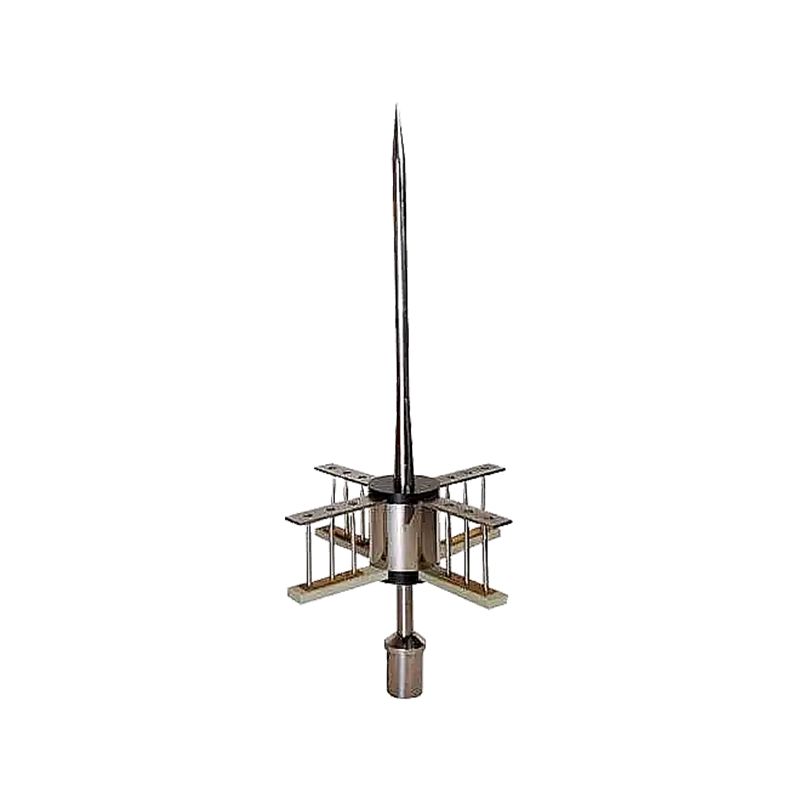
When a project specification calls for a lightning rod, the conversation rarely stops at the air terminal. A lightning rod, also called a lightning conductor, is a metal strike termination device mounted at the highest point of a structure. It intercepts a lightning strike and provides a controlled path for the current to reach the ground.
That protection path has three essential components:
- Air terminal, the rod itself, typically made of copper or copper alloy
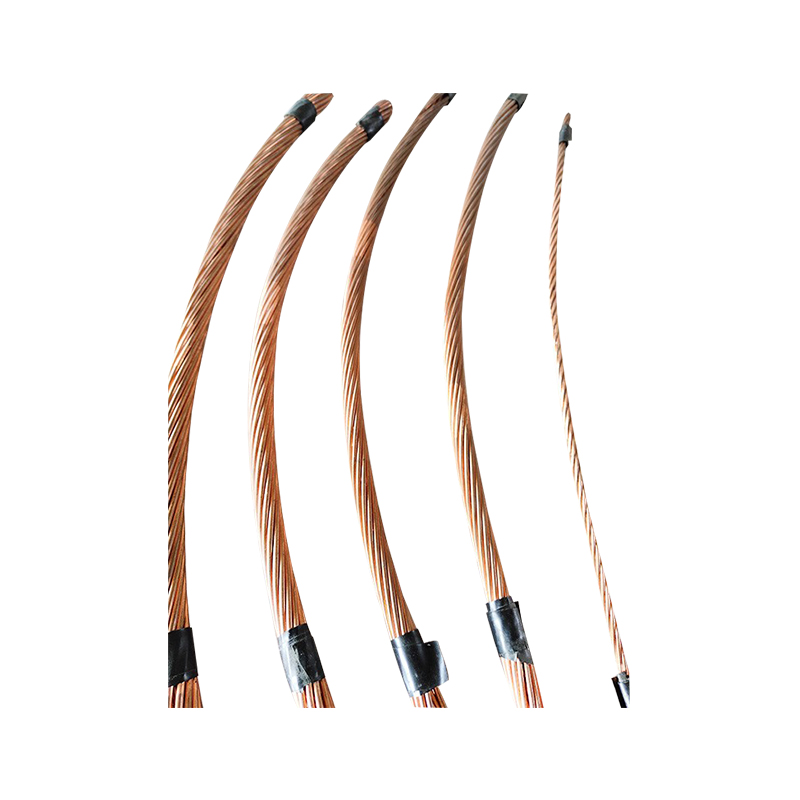
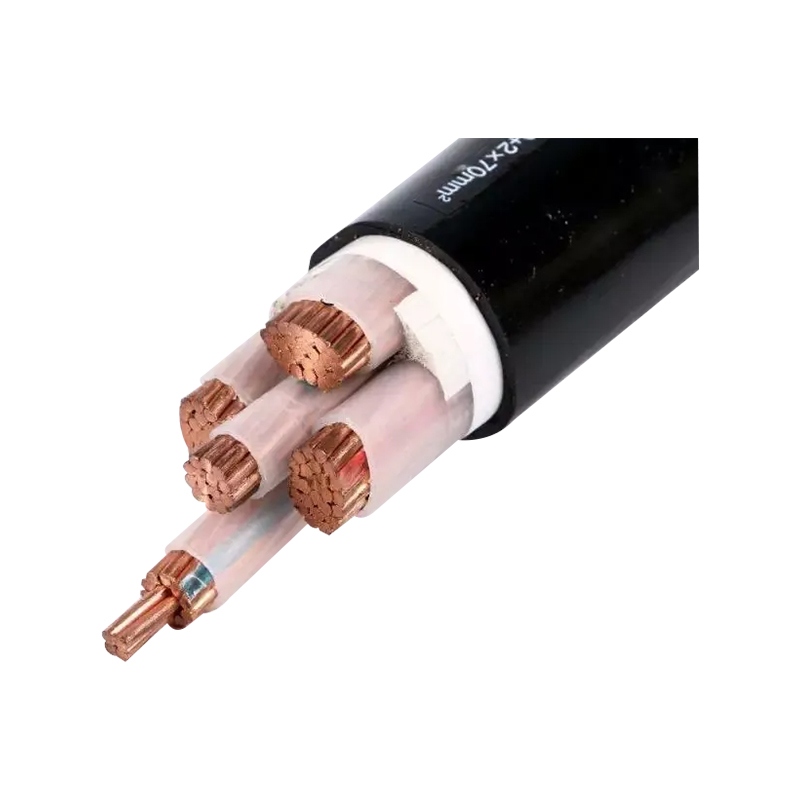
- Down conductor, the cable that carries the strike current from the rod toward the ground
- Grounding system, ground rods and the earth electrode network that dissipate the current safely into the soil
The National Weather Service makes an important distinction: a lightning rod does not prevent lightning from striking. It intercepts the strike and channels it safely to earth. Without a properly designed grounding system, the rod cannot perform its protective function. Copper and copper-clad materials are the most common choices for air terminals because they combine good electrical conductivity with corrosion resistance.
For a procurement team, this distinction has direct consequences. If a supplier quotes a lightning rod without discussing the grounding design, the system will likely underperform. The component price becomes irrelevant if the installation cannot pass a resistance test.
This is why supplier selection matters as much as product selection. A supplier who can provide complete lightning protection systems, from the air terminal down to the grounding electrode, is better positioned to help you specify components that work together rather than parts that simply share a catalog.
Types of Lightning Rods: Which One Does Your Project Need?
The two designs most commonly offered by lightning conductor suppliers are traditional needle-type rods and ESE (Early Streamer Emission) rods. They share the same protective purpose, but they differ in operating principle, protection radius, and cost. Reviewing the full lightning rod product range before comparing designs can help you understand what configurations are available.
Needle-Type Lightning Rods
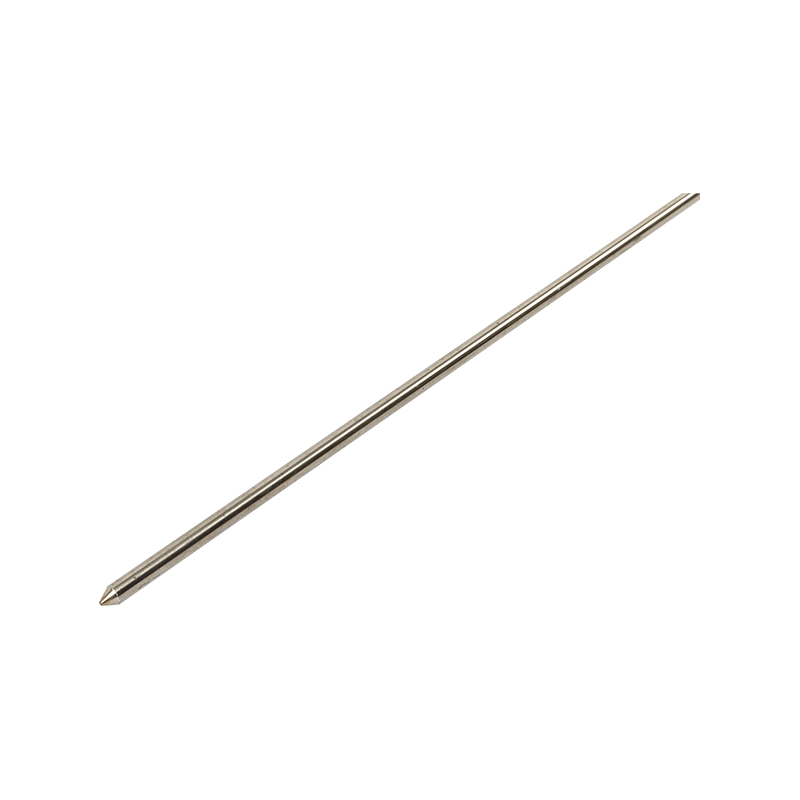
The needle-type rod, also known as a Franklin rod, is the conventional air terminal. It relies on its height and geometry to become the preferred attachment point for a lightning strike relative to the structure it protects. Its behavior is well documented, it is accepted by most standards bodies, and it integrates easily into building and industrial designs. For projects where a conservative, code-friendly solution is preferred, buyers often select needle-type lightning rods in copper, copper-clad steel, or stainless steel.
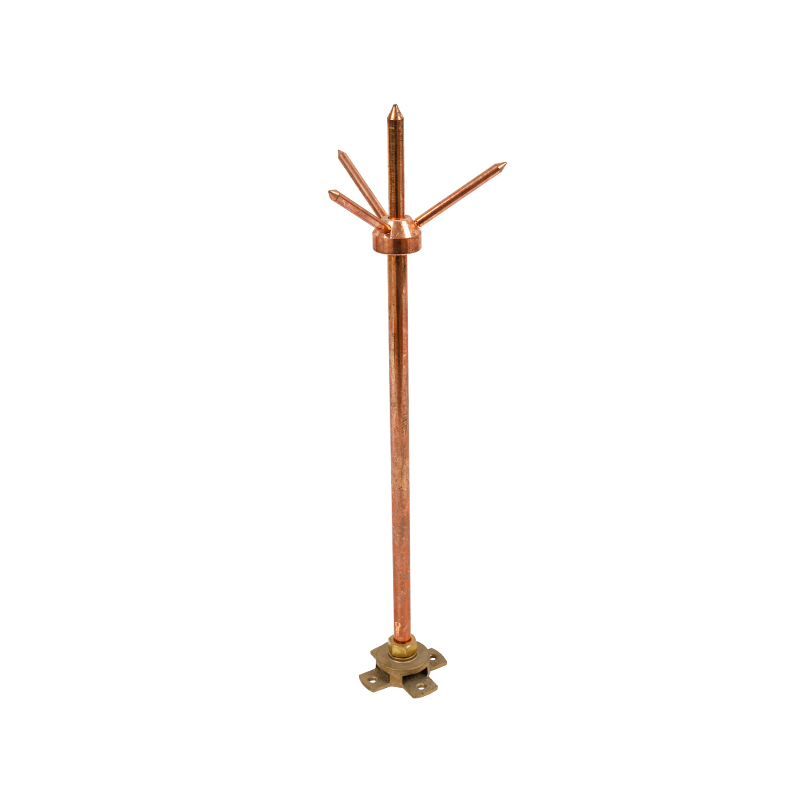 Wholesale Needle Type Lightning Rod Manufacturers, OEM/ODM Factory - Xinchang TXinchang TuAn Machinery Co., Ltd. is China Wholesale Needle Type Lightning Rod Manufacturers and OEM/ODM Factory, Lightning rods provide...View Product →
ESE Lightning Rods
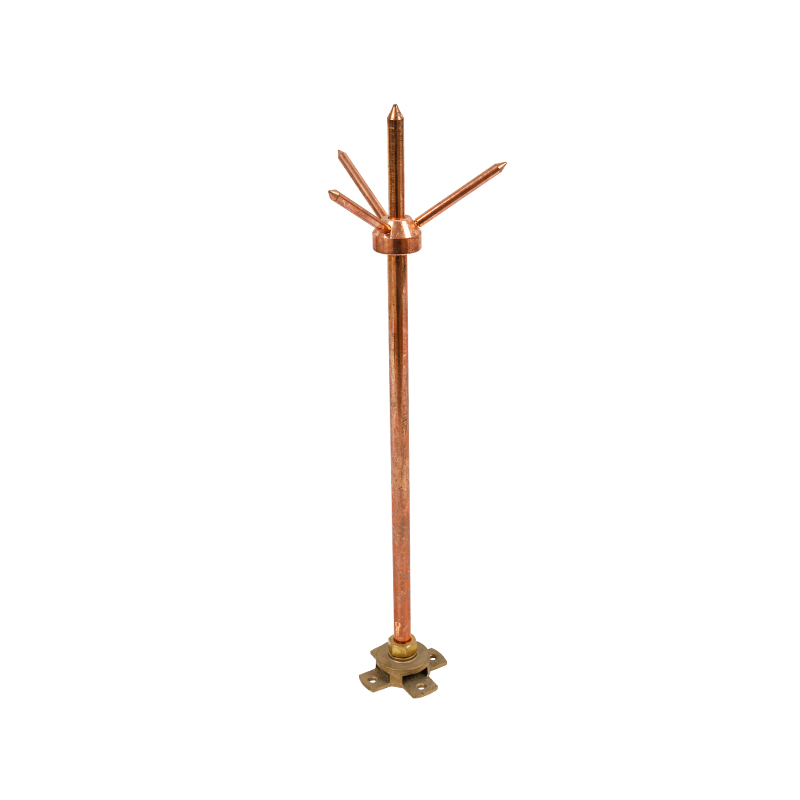
An ESE rod incorporates an ionization device intended to generate an upward streamer earlier than a conventional rod, which extends the effective protection radius. That design suits large-span structures such as warehouses, sports venues, and industrial complexes where fewer air terminals are desirable. Standards for ESE performance vary by country, so verify that the supplier's ESE lightning rods comply with the codes that apply in your target market before committing to this option.
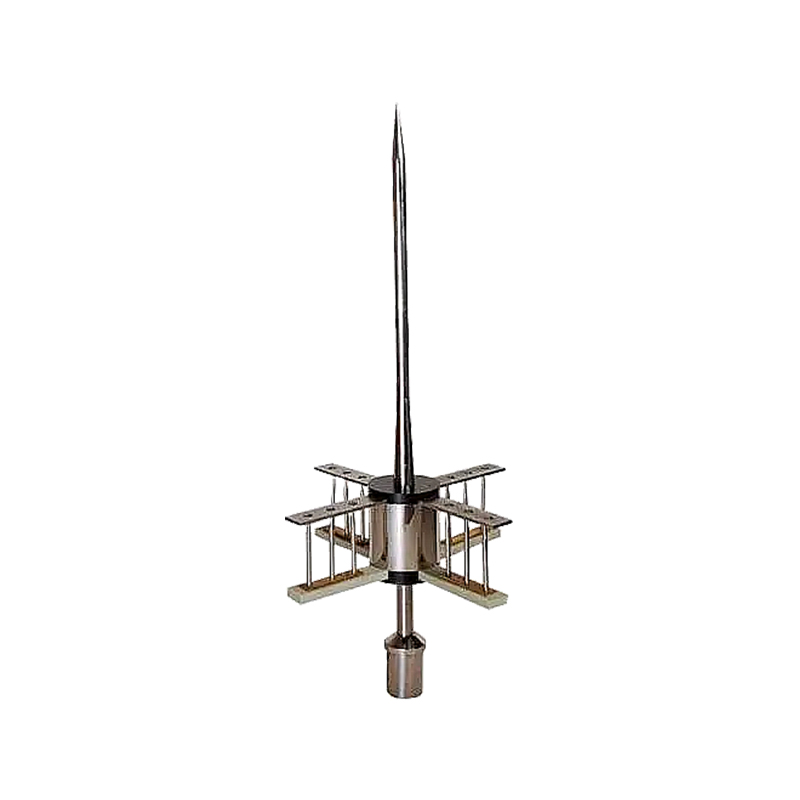 Wholesale ESE Lightning Rod Manufacturers, OEM/ODM Factory - Xinchang TuAn MachiXinchang TuAn Machinery Co., Ltd. is China Wholesale ESE Lightning Rod Manufacturers and OEM/ODM Factory, Early Steamer Emission Lightnin...View Product →
Material Comparison
| Material | Conductivity | Corrosion Resistance | Typical Application |
|---|---|---|---|
| Pure copper | Excellent | Good | Coastal sites, high-value assets |
| Copper-clad steel | Good | Good | General industrial facilities |
| Stainless steel | Moderate | Excellent | Chemical plants, marine environments |
| Galvanized steel | Moderate | Moderate | Budget-conscious projects, dry climates |
Each material carries a different lifecycle cost. Pure copper offers the best conductivity but commands a premium. Copper-clad steel balances cost and performance for most industrial applications. Stainless steel is the stronger choice where corrosive atmospheres are present. Galvanized steel serves budget-sensitive projects in dry inland areas. A supplier with multiple material options lets you match the rod to the site instead of adapting the site to the product.
Material choice also affects maintenance planning. Galvanized steel has a shorter service life in humid environments and may require earlier replacement, while stainless steel supports longer inspection intervals. These operational factors should be part of the total cost calculation.
What to Look for in Lightning Conductor Suppliers: 6 Key Evaluation Criteria
The quality of a supplier becomes visible long before the first quotation arrives. Use these six criteria to compare candidates fairly and reduce the risk of a costly specification error.
1. Full Product Chain Coverage
Lightning rods do not work as standalone components. They depend on down conductors, brackets, clamps, ground rods, and often exothermic welding materials. A supplier who can provide these items as a coordinated set reduces procurement lead time, eliminates compatibility questions, and offers a single point of responsibility. Ask whether the supplier carries lightning rod accessories and grounding hardware under one roof, and confirm that those components match the installation method your design specifies.
2. Material Quality and Manufacturing Standards
The material specification determines both conductivity and service life. Copper should be high-grade and free of surface defects. Copper-clad steel should have a sufficiently thick copper layer with a metallurgically bonded interface to prevent delamination. Stainless steel should be the correct grade for the corrosive environment in which it will be installed. A reliable supplier will clearly state material specifications and provide test reports or mill certificates when requested.
3. Compliance with National and International Standards
NFPA 780, UL 96, and IEC 62305 are the frameworks most commonly referenced in international lightning protection projects. Standards compliance is not just a technical detail; it affects insurance approval and project handover. A supplier who understands these standards can help you select the correct system configuration and supply the documentation that engineering reviewers expect. Do not assume that a product sold for domestic use automatically meets the requirements of another market. Working with a supplier who ships internationally on a regular basis also means the products are likely to come with the export documentation, labeling, and test certificates that customs and site inspectors expect.
4. Customization and Project Engineering Support
Large projects often require nonstandard dimensions, special mounting arrangements, or site-specific protection radius calculations. A supplier with engineering capability will recommend the right air terminal height, spacing, and conductor routing rather than quoting a catalog part without context. Ask how the supplier handles technical questions during the design phase, and whether they provide calculation support or reference existing project documentation.
5. Industry Experience in Critical Sectors
Petrochemical plants, high-speed rail, power utilities, and solar farms each present distinct lightning protection challenges. Suppliers with experience in these sectors understand how corrosive atmospheres, electromagnetic interference, and soil resistivity affect design decisions. Request references or example projects for the sector you are working in, and look for concrete evidence that the supplier has solved problems similar to yours rather than generic sales claims.
6. After-Sales and Technical Support
Lightning protection systems must be inspected and tested over time. Installation guidance, grounding resistance testing recommendations, and troubleshooting support are part of long-term reliability. Confirm what level of technical assistance the supplier offers after shipment, whether drawings and installation manuals are provided, and how quickly you can reach someone who can answer engineering questions.
How a Complete Lightning Protection System Reduces Project Risk
Lightning protection works as a chain. The air terminal intercepts the strike, the down conductor routes the current, the ground electrode dissipates it, and connection hardware ties every component together. If one link fails, the integrity of the entire system is compromised.
Separating procurement across multiple vendors creates avoidable risk. Components may be mechanically incompatible, quality levels may differ, and when a problem emerges, neither supplier may accept responsibility. A single supplier for the complete chain simplifies coordination, shortens delivery schedules, and gives you one accountable partner. Consolidation also simplifies spare part management. When a system needs maintenance or replacement, you do not need to track down the original vendor of each individual component.
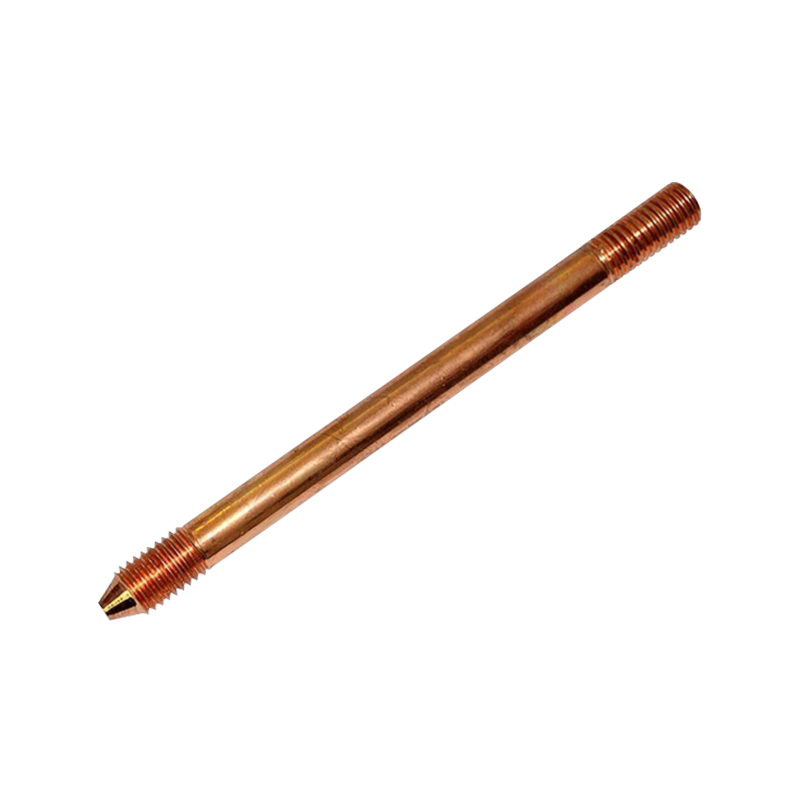
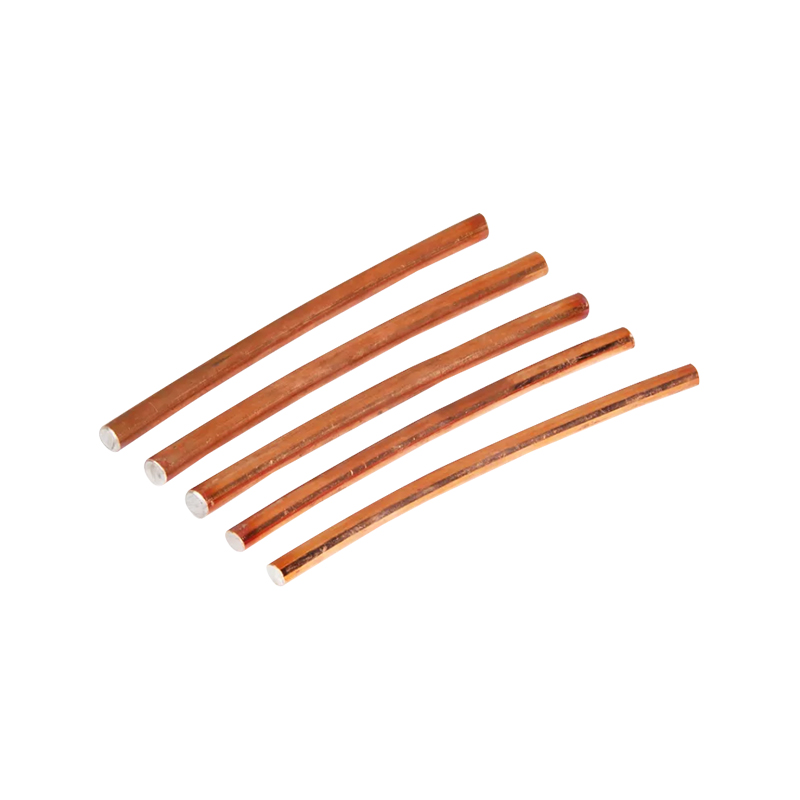
The grounding electrode deserves as much attention as the air terminal. Copper-clad steel grounding rods are widely used because they combine copper's conductivity with the mechanical strength of a steel core, making them suitable for most soil conditions. For highly corrosive soils, pure copper or stainless steel electrodes may be justified despite the higher cost.
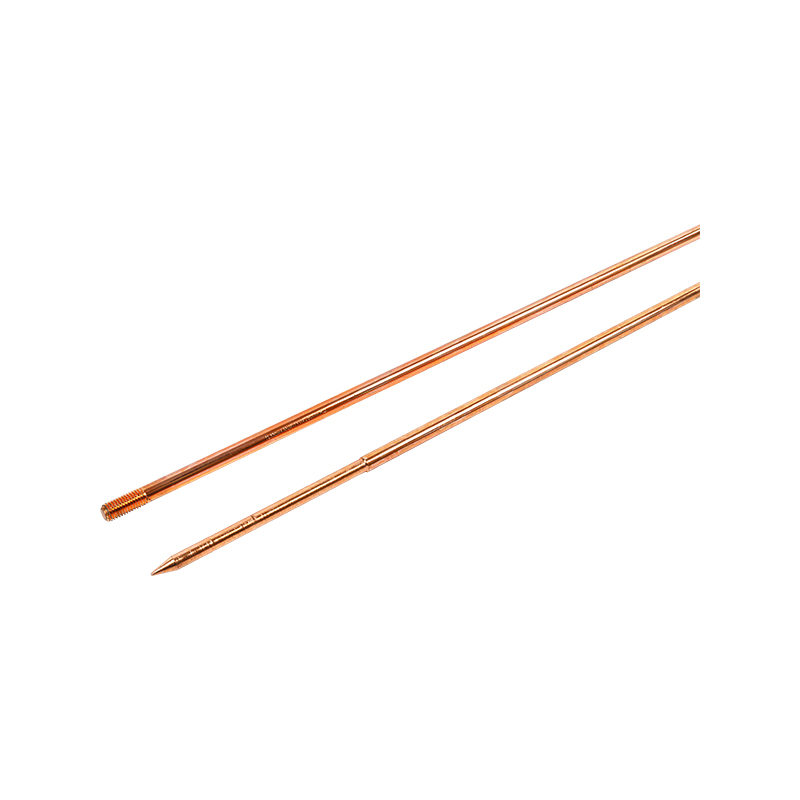 Wholesale Copper Clad Steel Grounding Rod Manufacturers, OEM/ODM Factory - XinchXinchang TuAn Machinery Co., Ltd. is China Wholesale Copper Clad Steel Grounding Rod Manufacturers and OEM/ODM Factory, The copper welded...View Product →
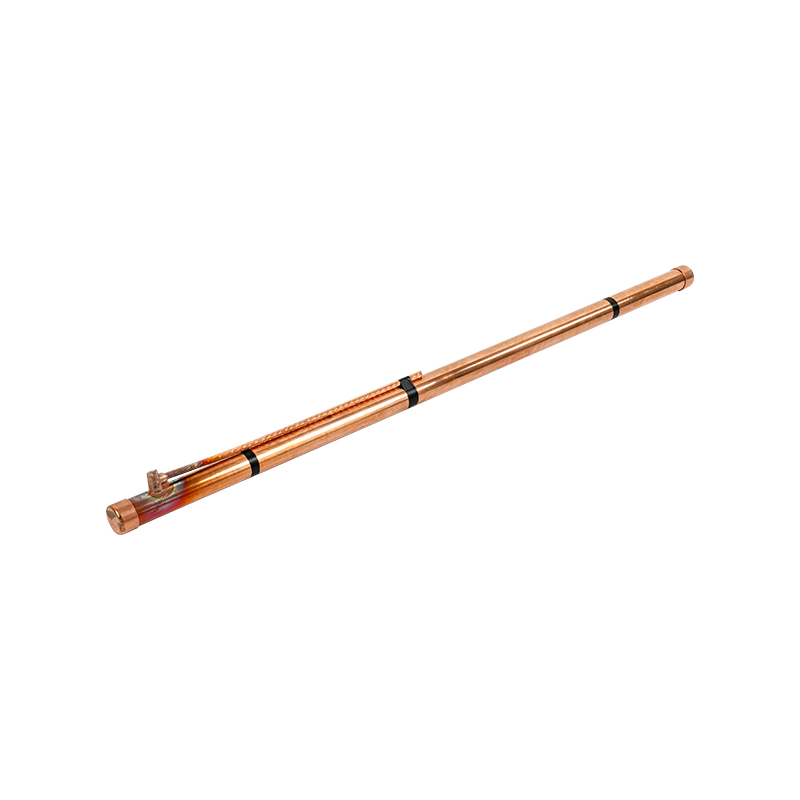
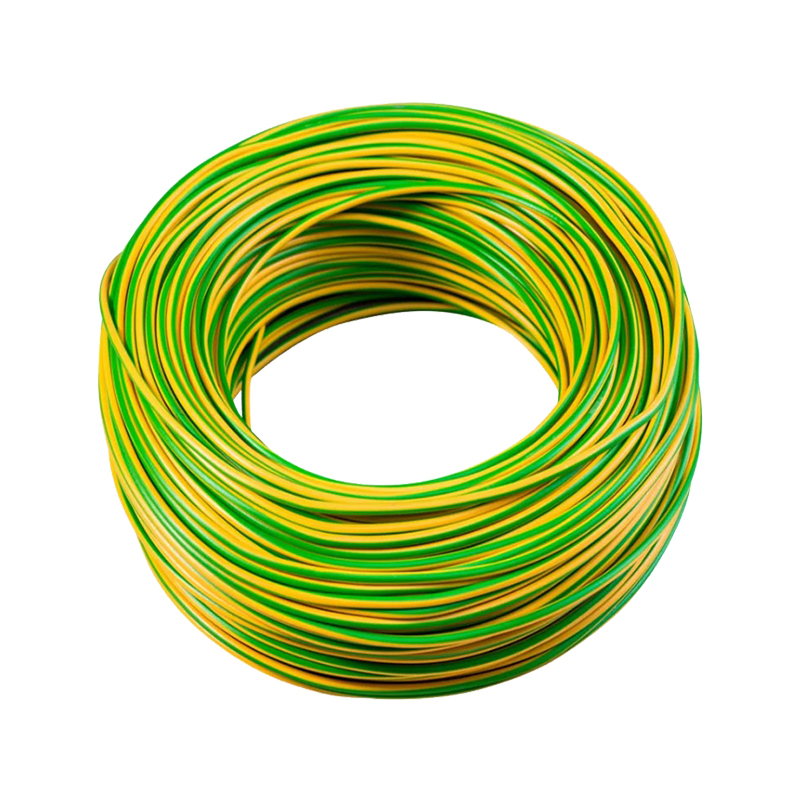
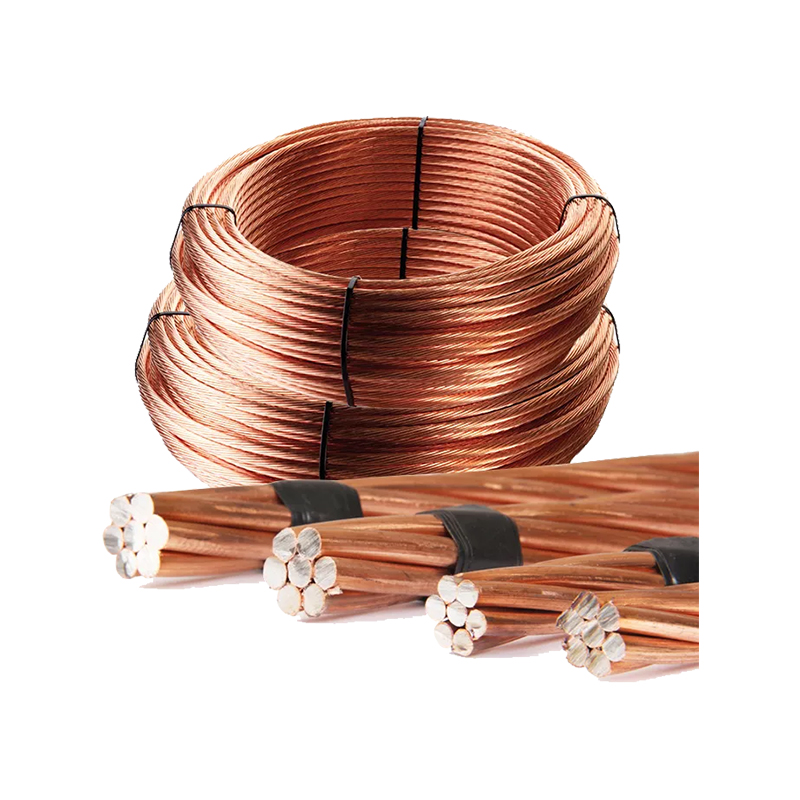
Connection quality is equally important. Exothermic welding creates a molecular bond between the conductor and the electrode, which resists corrosion far better than a mechanical clamp and maintains a stable resistance over decades. For the conductors themselves, the same supplier should offer appropriately sized grounding conductors that match the rod material and the fault current rating of the system. When conductor routing crosses expansion joints or sharp edges, the supplier should also provide guidance on bracket spacing and mechanical protection. These details are easy to overlook at the quotation stage but directly affect installation quality.
Procurement Checklist: Questions to Ask Before You Order
Before you issue a purchase order, confirm the following points with the supplier:
- Rod type, needle type or ESE, and what protection radius calculation supports the choice? For guidance, see how to calculate the protection range of a lightning rod.
- Material specification, what copper grade, copper layer thickness, and surface treatment are offered?
- Accessory compatibility, are down conductors, brackets, and clamps available from the same supplier in matching materials?
- Standards compliance, which national or international standards do the products meet, and can the supplier provide certificates?
- Customization, are nonstandard lengths, special mounting brackets, or unique installation configurations supported?
- Logistics, what is the lead time for the complete order, and what export packaging is used for sea freight?
- Documentation, are material certificates, test reports, installation manuals, and project drawings included?
Working through this list with every candidate supplier will make the differences between quotations visible quickly and prevent surprises later in the project.
Conclusion: Partner with a Supplier Who Understands the Whole System
Selecting a lightning conductor supplier is not a simple price comparison. The right partner brings a complete product chain, honest material specifications, standards knowledge, engineering support, and proven experience in critical sectors. The lightning rod is the visible beginning of the protection system, but it is only as effective as the down conductor, the grounding electrode, and the connections that tie them together.
When you evaluate suppliers, look beyond the first page of the catalog. Ask how the supplier supports the full system, request documentation, and verify that their products match the conditions of your site. A supplier who understands the whole system is the one who will keep your project protected for decades.
 About Us
 +86-15167536268
 29, Xingmei Avenue, Xinchang, Zhejiang, China